Table of Contents
As voters in Victoria prepare to cast their ballots, environmental experts and conservationists are criticizing major political parties for largely ignoring the environment during the election campaign. This political silence comes after a turbulent year marked by severe bushfires, extreme heat, and an ongoing biodiversity decline.
A Year of Environmental Disasters
The election year began with record-breaking heat and devastating bushfires that destroyed more land than the Black Saturday fires, wiping out critical habitats for endangered species such as pink cockatoos and eastern bristlebirds. Thousands of vulnerable grey-headed flying foxes also died in a mass mortality event. The extreme weather was followed by a poor ski season, the arrival of deadly H5 bird flu affecting coastal wildlife, and the emergency relocation of a key population of Leadbeater’s possums—the state’s animal emblem—after their numbers halved in months.
A report published by the independent Biodiversity Council labeled Victoria the “nature-poorest state,” pointing to inadequate funding, weakened protections, and a 70% drop in threatened plant and animal populations since 2000. Prof Sarah Bekessey from the University of Melbourne warned that the state faces an “extinction emergency” with potential species loss in the next term of government, noting that the critically endangered Victorian grassland earless dragon lacks proper wild population protection.
Political Responses and Logging Controversy
Labor defended its record through a spokesperson, stating the government delivered real action to protect the environment and announcing campaign support for local parks along with $900,000 for Wildlife Victoria’s mobile vet service. Meanwhile, the Coalition pledged $50 million for a coastal environment resilience fund and more park rangers. However, the Coalition’s plan to recover timber from 5,000 hectares of public forests annually through targeted thinning drew sharp criticism from environmentalists who argue it amounts to native forest logging.
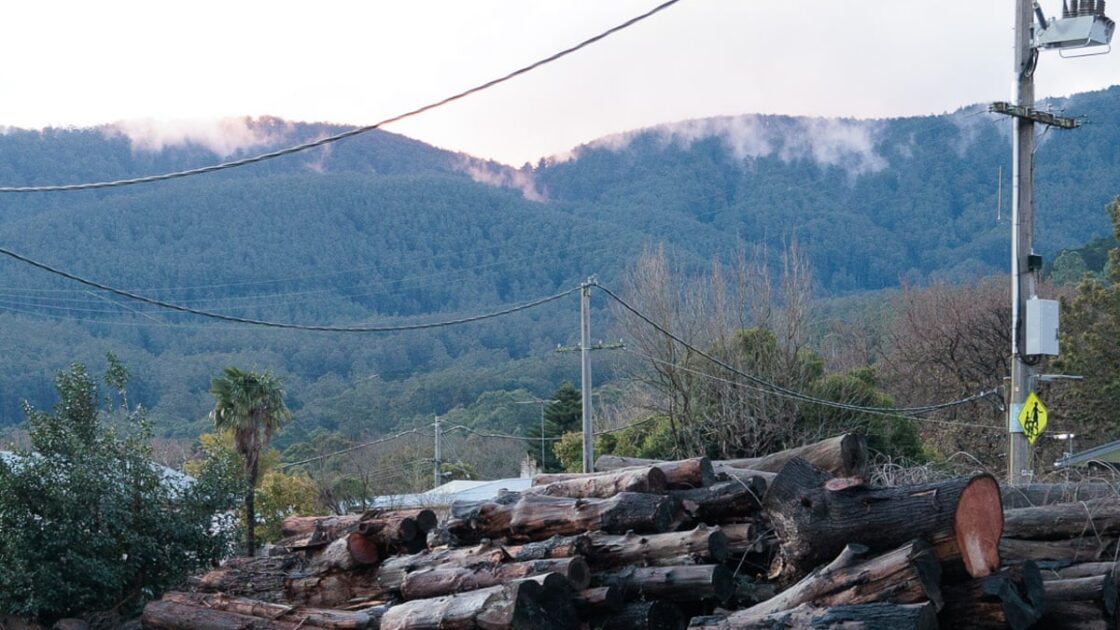
According to The Guardian, the Coalition refuted claims of bringing back native timber logging, with a spokesperson stating that the forest comes first and that removing trees for fire risk or forest health would be put to highest value processing. National MP Melina Bath told the Weekly Times the policy would produce up to 200,000 tonnes of timber annually. Experts like Prof David Lindenmayer dismissed the justification, stating that thinning makes forests more vulnerable to fire and destroys habitats for species like the Leadbeater’s possum. Environment Victoria campaigns coordinator Chris Schuringa added that bringing back logging lacks economic sense and public support, noting the Greens were the only party with a clear vision to close logging loopholes.
Economic Pressures and Future Outlook
Polling director Kos Samaras from Redbridge explained that while people care about the environment, it drops in priority during times of economic stress, though it remains important to younger voters. Ipsos polling confirmed that voter concern for the environment reached a 15-year low. Conversely, a Wilderness Society report highlighted that nearly a third of Victoria’s economy relies on nature, with healthy forests providing water, tourism, and protection against floods and heatwaves.
Lindenmayer suggested that expanding protected areas like the proposed Great Forest national park would benefit both urban residents and regional tourism. Bekessey emphasized that the incoming government must implement proper funding, stronger laws, and strict accountability to halt environmental destruction and begin rebuilding the state’s natural habitats.