British producers have broadly welcomed a new agreement between the UK and the European Union designed to eliminate the vast majority of physical checks on food, plants, and animal products. The sanitary and phytosanitary (SPS) deal is expected to benefit UK food exporters while allowing small retailers and delicatessens to resume importing European cheese and wine that became economically unviable under post-Brexit rules.
Impact on Seed Potatoes and Shellfish
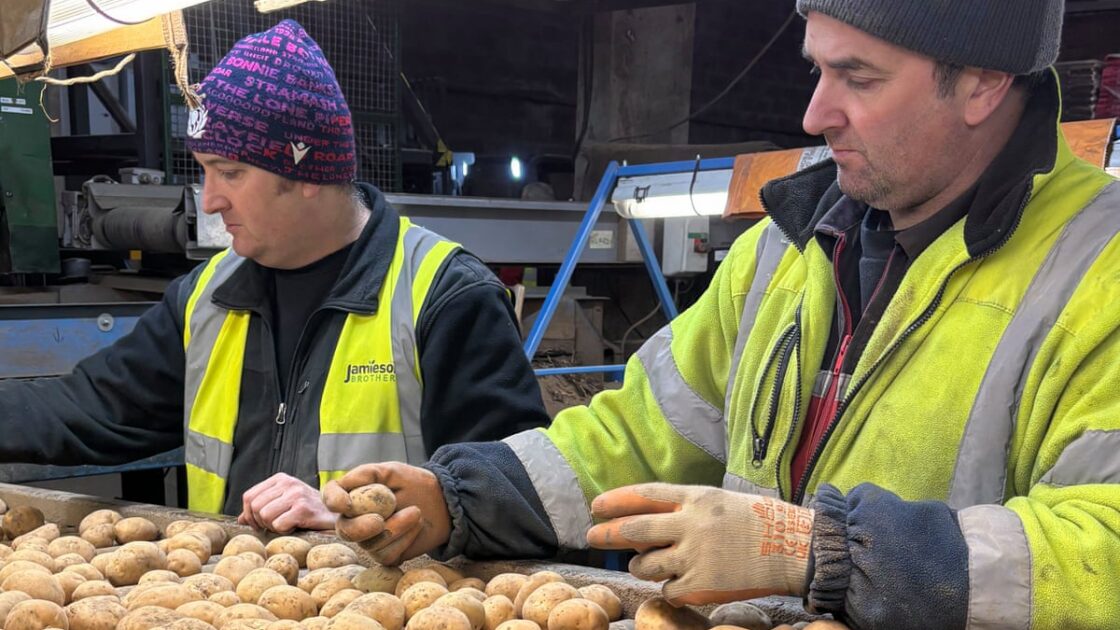
Scheduled to take effect on 1 March 2028, the agreement also aims to reopen the EU market for British goods such as fresh sausages, burgers, seed potatoes, and molluscs. Despite the positive outlook, several exporters reported they will remain cautious until the changes officially materialize, with Iain Barbour, operations director at Scottish seed potato producer Jamieson Brothers, noting that nobody will believe it until it actually happens. Seed potato exports had halted after post-Brexit disagreements over certification, severely impacting Scottish farmers who previously accounted for three-quarters of UK production in a sector worth about £112m annually. Barbour estimates that adapting his business cost around £500,000, and stated that reviving popular varieties stored in a seed bank will take at least three years. He added that the March 2028 implementation date arrives a couple of months late for the trade cycle, meaning most growers will likely wait until 2029 to fully resume operations.
Meanwhile, exporters of live bivalve molluscs anticipate the agreement will revitalize their specialized sector. Sarah Holmyard, commercial director of Devon-based Offshore Shellfish, highlighted a crucial assurance in the deal allowing exports even from waters falling below the highest quality ratings. However, Holmyard noted the relief arrives too late for several producers that already closed down following Brexit, including three out of four mussel fishing companies in the Menai Strait in Wales.
Dairy Industry Reaction
Rich Clothier, managing director of Somerset-based cheese and butter maker Wyke Farms, welcomed the promised end of physical border checks on dairy products. The company exports about a quarter of its cheddar to European nations like France, Germany, and Spain. According to Clothier, removing veterinary checks will eliminate a heavily bureaucratic sign-off process, saving significant costs and reducing perishable product waste. He stated, “Any reduction in friction saves cost, it makes business more efficient. But it is really frustrating that it’s going to take so long [to be implemented] because, to be honest, we’re all pretty aligned anyway.”