United Nations climate talks collapsed on Sunday after the European Union and other nations rejected a final draft agreement proposed by COP31 presidents Turkey and Australia. Representatives stated that the text was insufficiently ambitious to advance the global fight against climate change.
Negotiations Collapse After Record Overtime
The breakdown in talks highlights the difficulties world governments face in securing ambitious climate action amid competing crises such as wars and economic pressures. Negotiations extended two days past schedule, making this the longest COP conference on record.
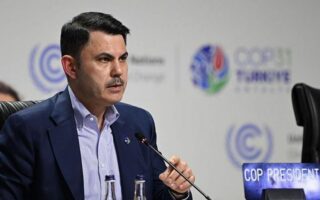
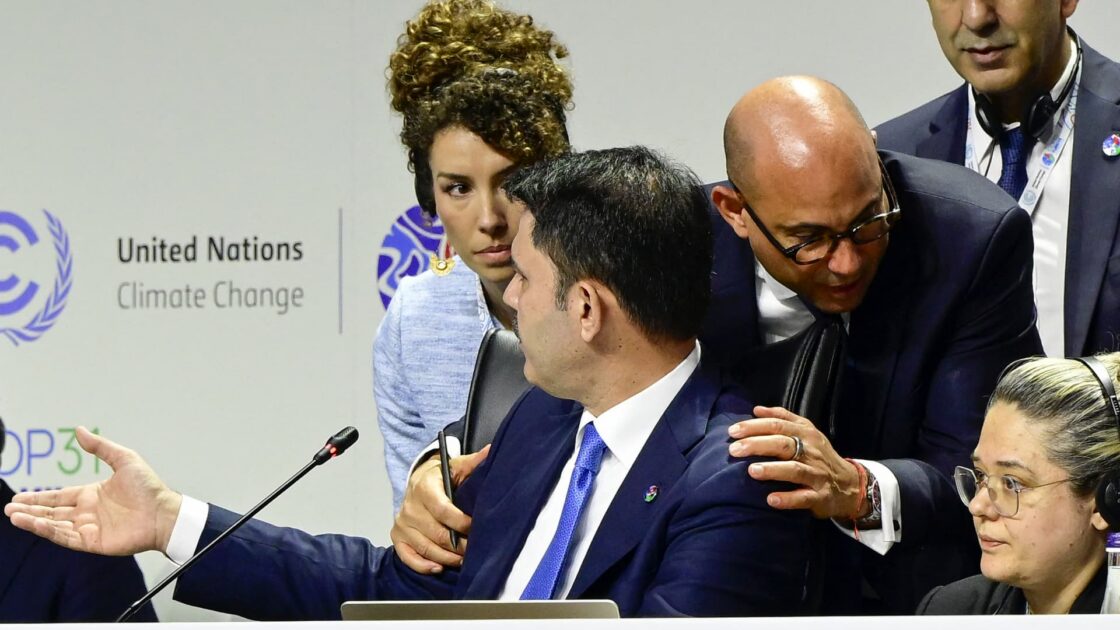
Turkey’s conference president, Murat Kurum, announced during the closing plenary that he recognized the lack of consensus and confirmed no further text would be presented. “There is nothing to do, we did all that we could,” he stated, adding that no new text would be released. He subsequently left the stage while country representatives delivered speeches.
Australia’s COP31 President of Negotiations, Chris Bowen, described the result as “very disappointing” and identified disagreements surrounding fossil fuels and climate finance as the primary obstacles. The previous instance where UN climate talks failed to reach a universal agreement occurred in Copenhagen in 2009.
Disagreements Over Fossil Fuels and Urgency
Ireland’s environment minister, Darragh O’Brien, explained that the European Union could not endorse the proposal because it omitted any reference to fossil fuels, which scientists identify as the main driver of global warming. “It is unconscionable that we would have a climate act that makes no reference to fossil fuel, no reference to transitioning away from fossil fuels,” he said. Observers at the summit noted that Saudi Arabia and other major oil-producing nations had heavily lobbied to exclude mentions of fossil fuels from the document.
Additionally, Panama stated it could not support the text because it failed to reflect the urgency and scale of the climate crisis. This year’s summit marks the first COP since the UN environmental agency confirmed in October that global temperature rises are projected to exceed the 1.5 degrees Celsius threshold established during the Paris agreement over a decade ago.
Belgium’s Climate Minister, Jean-Luc Crucke, called the failure a difficult yet appropriate outcome. “It’s not the end of multilateralism, but there has to be courage to say no,” he noted.
Although the failure to reach a political declaration in Antalya represents a setback for international climate action, it does not cancel obligations established by prior UN conferences or dismantle the technical and legal frameworks that govern multilateral climate efforts.