Table of Contents
UN climate talks reached a standstill in Turkey on Saturday night as participating nations considered forcing a showdown with Saudi Arabia and its allies over the global necessity to phase out fossil fuels. The fortnight-long Cop31 summit overran its scheduled Friday evening conclusion, leaving delegates and campaigners frustrated by the lack of progress.
Sticking Points Over Fossil Fuels and Climate Finance
The core disagreements centered on a coalition of approximately 130 countries insisting on the inclusion of a reference to the “transition away from fossil fuels” in the final agreement. At the same time, developing nations demanded stronger guarantees for funding from wealthy countries to help them adapt to escalating climate impacts. Saudi Arabia and other oil-rich nations consistently opposed an explicit statement concerning fossil fuel usage.
A third draft of a potential headline agreement, released early Sunday morning, attempted to resolve the deadlock by recalling a deal reached in Dubai three years prior, which represents the only summit where countries achieved consensus on moving away from burning coal, oil, and gas.
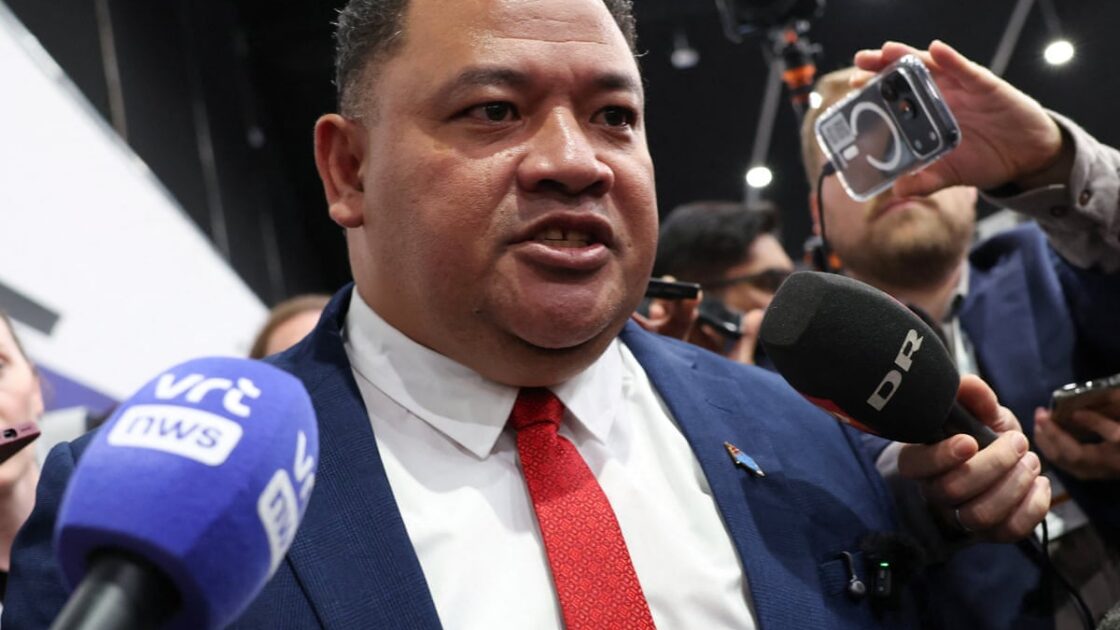
Maina Talia, climate minister for the low-lying Pacific island Tuvalu, stated to The Guardian that the inclusion of a fossil fuel reference serves as a red line, noting that avoiding the root cause means wasting time at the summit.
Mohamed Adow, director of the Power Shift Africa thinktank, said as reported by The Guardian that delegates arrived in Antalya seeking progress on public climate finance, adaptation, and fossil fuels, but instead found themselves fighting to prevent governments from retreating on past promises.
Disagreements Over Technology and Campaigner Reactions
Additional tensions emerged over controversial carbon capture and storage (CCS) technology and a target to derive 35% of the world’s energy from electricity by 2035. Saudi Arabia pushed for strong recommendations for CCS in the final cover decision, while other nations objected, viewing the technology as a method to perpetuate the fossil fuel industry. The third draft attempted to navigate this dispute by removing a hard target for CCS and acknowledging that electrification must be powered by clean energy where possible.
Campaigners placed blame for the stalled talks on the fossil fuel industry, dependent nations, and rich countries failing to deliver financial promises to poorer states. Nick Dearden, director of Global Justice Now, stated that fossil fuel interests profiting from the climate crisis must no longer be allowed to hold negotiations to ransom.
Harjeet Singh, global convener of the Fill the Fund campaign, added that developing nations cannot be asked to transform their economies while struggling with disasters and debt, attributing the summit’s failure to a lack of money and political will from those who caused the crisis.
Uncertainty and Potential Next Steps
The uncertainty surrounding the closing time of the conference led many delegates to reschedule flights home. Under the UN Framework Convention on Climate Change, a departure of too many delegates could cause the conference of the parties to lose its required quorum.
The transition away from fossil fuels was originally agreed upon at Cop28 in Dubai in 2023, though Saudi Arabia and its allies subsequently blocked implementation progress. At Cop30, Brazilian hosts bypassed the resistance by pledging a global roadmap on the phaseout. Although the resolution appeared in the first draft of the Cop31 outcome, it was removed from a revised draft published on Thursday before being obliquely acknowledged in the third draft.
The reinstated reference followed a Saturday evening march to the presidency office by the EU, the UK, African nations, and vulnerable small island states. Claudio Angelo of the Observatorio do Clima told The Guardian that the dual presidency shared by Australia and Turkey compounded difficulties in a process already affected by geopolitics.
As reported by The Guardian, one potential strategy under active consideration is forcing an open meeting to compel Saudi Arabia and its allies to publicly state their opposition to the stronger outcome desired by the majority. Bill Hare, chief executive of the Climate Analytics thinktank, told The Guardian that Saudi Arabia likely would not stand against the global consensus if the vast majority of nations demand strong text referencing the fossil fuel transition. Furthermore, China and India are unlikely to oppose a deal.
Miatta Fahnbulleh, the UK’s energy minister, stated that officials are working closely with partners to navigate difficulties and secure an agreement that drives progress forward.