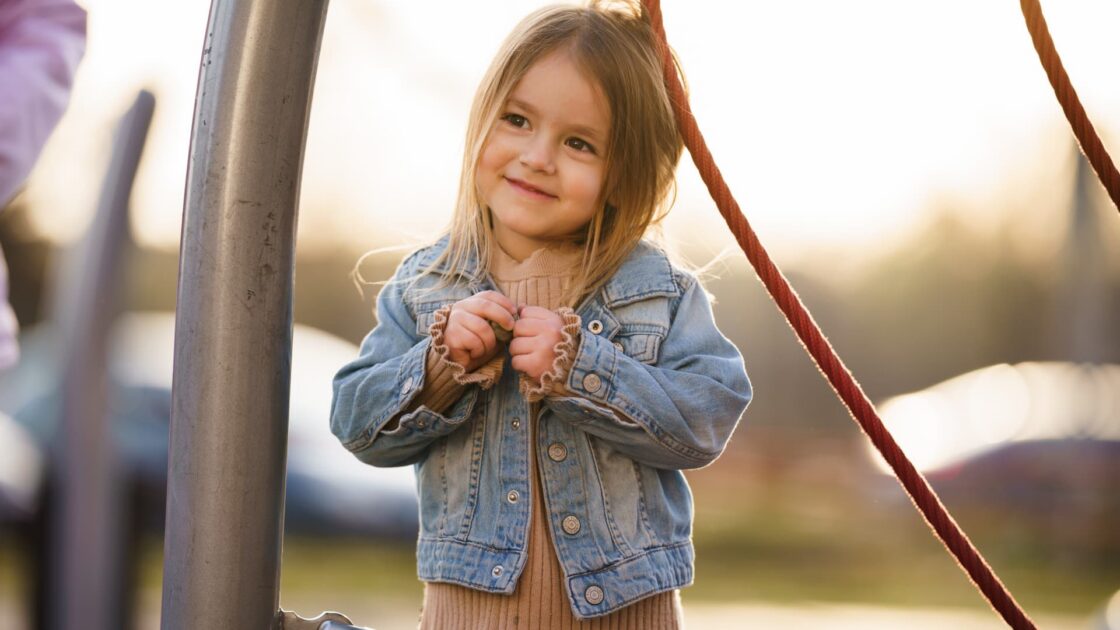
Parents often praise children for being easygoing, kind, and considerate, but these well-intentioned behaviors can sometimes teach kids to put themselves last. Certified conscious parenting coach Reem Raouda, who has studied more than 200 families, explains that people-pleasing often begins in ordinary moments at home.
Six parenting habits that encourage people-pleasing
The first habit is praising children for being easy instead of being honest. When approval is tied to being easygoing and rarely complaining, children may start to believe their needs are a burden and their feelings should be hidden. Parents should instead make room for disappointment and disagreement, letting children know they do not need to be agreeable to be accepted.
The second habit involves treating disagreement as disrespect. Shutting down children’s opinions with phrases like “Because I said so” teaches them that having a voice risks damaging their connection with parents. Instead, adults should separate disrespectful behavior from differing perspectives and encourage children to share their thoughts.
The third habit is making children responsible for parental disappointment. Statements such as “After everything I’ve done for you…” can make kids feel responsible for their parents’ emotional well-being rather than focusing on their own actions. Parents need to address behavior without inducing guilt, teaching kids to take accountability for actions rather than managing adult emotions.
The fourth habit is rewarding children for always putting others first. Consistently celebrating self-sacrifice can lead children to believe that being a good person requires putting themselves last. Parents should teach that kindness does not require self-sacrifice, allowing children to opt out or express personal desires without guilt.
The fifth habit is teaching politeness without teaching boundaries. Expecting children to hug relatives or share everything to avoid offending others prioritizes external comfort over personal boundaries. Parents should teach children that they are allowed to say no or decline physical affection respectfully.
The final habit is modeling people-pleasing behavior as adults. Children notice when parents say yes while overwhelmed or apologize unnecessarily to keep the peace. Adults should instead let children see them set boundaries, express needs, and respectfully disappoint others when necessary.
Reem Raouda is a certified conscious parenting coach, speaker, author, and the founder of The Safe Mom who helps parents raise emotionally healthy children.