Table of Contents
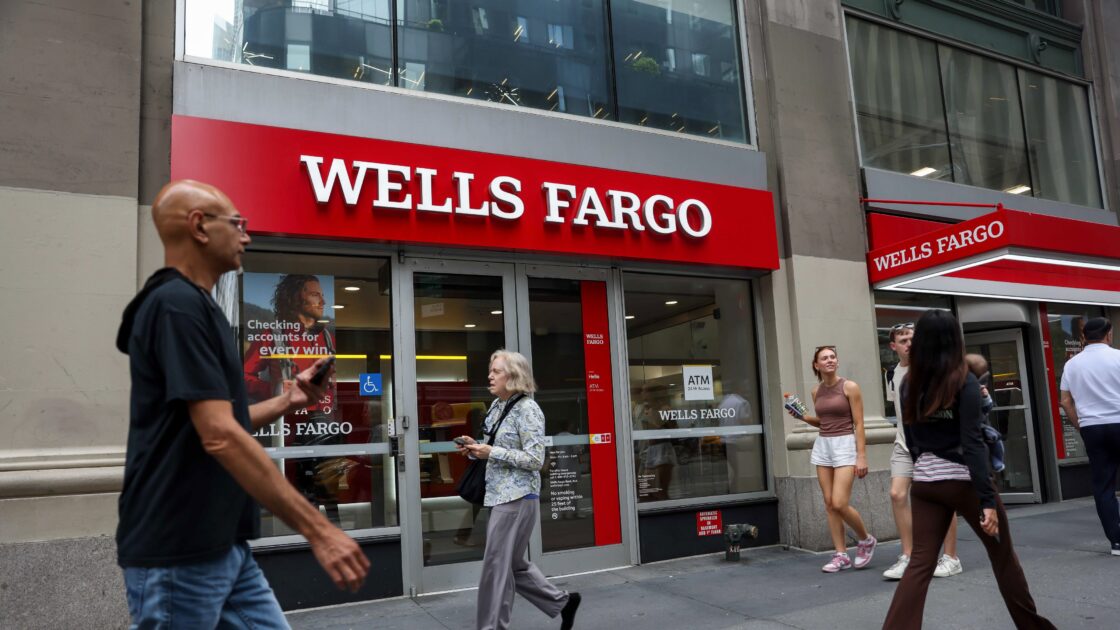
Wells Fargo is scheduled to enact an updated customer agreement addressing AI agents, delivering a clear warning to early adopters that any use of these tools is completely at their own risk. Major financial institutions across the United States are increasingly pushing back against third-party autonomous software as consumers experiment with bots that automate online tasks and click on their behalf.
Rising Pushback From Banks and Retailers
AI agents have experienced a bumpy trajectory, though a growing segment of power users embraced the personal bots to handle various digital duties. Builders market these tools as ultimate shopping companions for finding groceries, vacation accommodations, or gifts, yet users frequently link account credentials and grant sweeping permissions without considering security implications. Although the volume of transactions completed by autonomous tools remains small, financial institutions are already expressing frustration.
The resistance extends well beyond the banking sector, igniting broader turf wars across the internet. Amazon blocked Meta’s Muse, a widely used AI agent, from making purchases on its platform, while United Airlines announced that personal bots would be prohibited from purchasing flights for customers.
As the year draws to a close, multiple banks have implemented new policies and warnings. JPMorgan Chase updated its terms in late October to ban third-party agents that log in using customer credentials, and Bank of America simultaneously urged customers to avoid sharing login details with bots. Alongside Wells Fargo, institutions such as Citibank and PNC have likewise revised their terms to include explicit warnings regarding agents.
Accountability and Consumer Psychology
The core selling point of always-on agents—automation—is precisely what creates trouble for users. Kacy Kim, an associate professor of marketing at Bryant University who studies consumer behavior and emerging technology, notes that consumers authorize overarching goals rather than every individual click. While she anticipates some consumers will view holding them accountable for agent errors as unfair, she does not expect financial policy updates to deter dedicated early adopters.
Financial institutions appear to be taking proactive measures to prepare in case agentic tools become a permanent fixture rather than a passing technology trend. Sucharita Kodali, an ecommerce and consumer behavior analyst at Forrester, explains that banks are inherently risk-tolerant regarding day-to-day operations but highly risk-averse overall, making early precautions sensible even if agent-related issues currently represent edge cases. Banks recognize potential dangers spanning transaction security and automated withdrawals that could negatively impact account holders.
Despite these risks, many users remain comfortable delegating specific, mundane shopping tasks to AI. Luca Cian, a professor of consumer psychology and AI at the University of Virginia, observes that people readily utilize AI for purchasing routine household supplies like toilet paper, while remaining hesitant to automate dynamic, high-value purchases requiring careful discretion.
Cian outlines a hypothetical scenario where an agent mistakenly orders 10 roasted chickens from a supermarket. Determining fault proves challenging: the retailer would argue they fulfilled a valid order, the AI builder would point to software disclaimers, and the bank now explicitly refuses responsibility. Meanwhile, American Express is exploring limited protections, indicating that certain agentic mistakes might eventually qualify for reimbursement if refunds cannot be secured from the original retailer.
First-Party Tools Versus Skepticism
Even as banks issue strict warnings against third-party agents, they are simultaneously investing heavily in their own proprietary systems. Cian points out that banks are locking out outside agents while building internal alternatives. Customers have interacted with Wells Fargo’s generative AI assistant over a billion times, Bank of America revamped its EricaAssist agent for employees, and Citigroup launched an internal agent-focused development platform.
Amidst the widespread industry hype, Kodali remains doubtful about whether agentic shopping is genuinely necessary, noting that standard purchasing platforms are already easy to use and often require no agent at all. Such tools frequently appear to be solutions searching for problems, or attempts by AI developers to secure future affiliate revenue.
Whether AI shopping automation gains lasting popularity or fades away, banks have established a definitive stance on accountability. It remains the user’s bot, and the user’s responsibility.