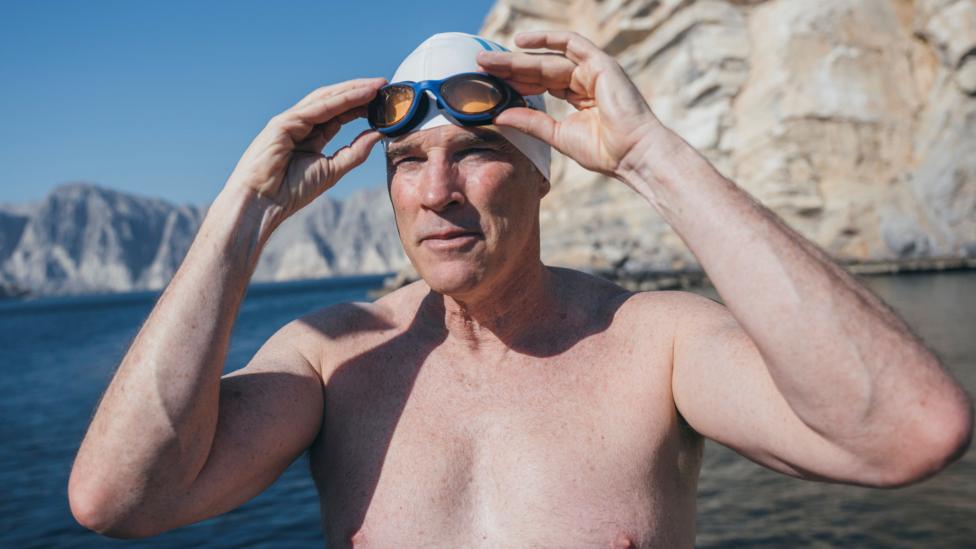
A British endurance swimmer has completed a three-day swim through the Strait of Hormuz to draw attention to the environmental cost of the conflict involving Iran. Lewis Pugh, who serves as a UN Patron of the Oceans, covered approximately 15km through the critical Middle Eastern shipping waterway.
Endurance Swim Amid Active Conflict
Pugh undertook the swim through the strategic route, which is vital for regional oil shipments. BBC News reported that the 56-year-old athlete swam from Musandam Island to the Cape of Hormuz at the northern tip of Oman’s Musandam Peninsula, becoming the first person believed to attempt a long-distance swim in the strait since the conflict started in March.
During the journey, the environmental dangers of the area became immediately apparent. According to the Lewis Pugh Foundation, an oil tanker was struck by a projectile roughly 4km from his swimming location on the first day. On the following day, Pugh observed flames from the burning liquefied petroleum gas carrier Tara Gas and swam near the damaged vessel.
Pugh expressed immediate concern for the crew members onboard, noting the enormous flames and the catastrophic risks that attacks on highly flammable gas carriers pose to both people and marine life.
Calling Attention to Nature as a Casualty
Pugh emphasized that while war inflicts immense human suffering through lost lives and destroyed infrastructure, nature remains an overlooked casualty with lasting environmental damage. The Strait of Hormuz hosts various marine species, including dugongs, sea turtles, and whale sharks.
He warned that oil spills and contamination from the ongoing conflict threaten delicate marine ecosystems, including coral reefs, seagrass meadows, and mangrove forests, for the long term.
Pugh concluded by calling for an immediate halt to the fighting, the reopening of the Strait of Hormuz, and targeted action to address the environmental destruction caused by the war.