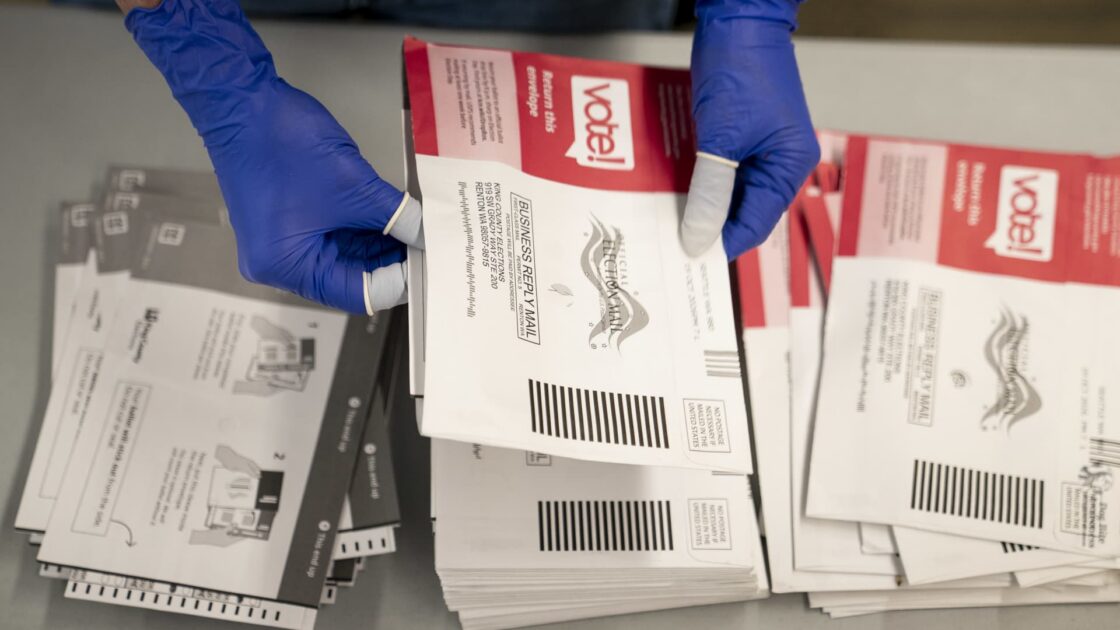
The Trump administration’s ongoing efforts to challenge how states handle elections and the corresponding pushback against those measures reached a critical point on Tuesday. These administration actions involved various legal challenges, proposed postal service adjustments for mail ballots, warning letters sent to election workers, and plans to expand poll monitoring.
Department of Justice Investigations and Target Letters
As reported by US Top News and Analysis (cnbc.com), the Department of Justice issued more than 20 letters, including some identifying Democrats as potential targets in a criminal probe regarding the Alaska Senate race. Recipients were instructed to retain records for the investigation, according to a source familiar with the situation. The New York Times reported that election lawyer Marc Elias, who represents Democratic nominee Mary Peltola in Alaska, received a target letter alongside at least one official at the Democratic Senatorial Campaign Committee. The investigation centers on how a candidate sharing the name of incumbent Republican Senator Dan Sullivan appeared on the Alaska ballot, with sources telling The Times that the department is examining potential donor fraud and conspiracy allegations. Receiving a target letter does not indicate that someone has been formally charged or will be prosecuted.
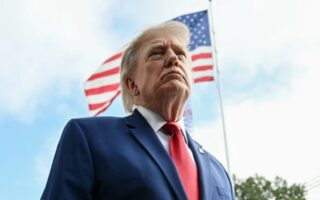
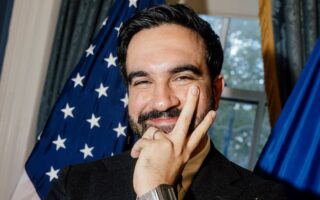
In a statement regarding the development, Elias said that no one should be surprised that the Department of Justice is targeting him and his law firm on Election Day. President Donald Trump criticized Elias during an interview on Fox News’ “Fox and Friends,” calling him a bad guy who should go to jail while discussing the presence of multiple candidates named Sullivan in Alaska. A federal judge dismissed a Department of Justice lawsuit attempting to delay the certification of the Alaska Senate election if Senator Sullivan loses due to voter confusion, though the department is appealing that decision. Democratic lawmakers, attorneys general, and advocacy groups prepared for potential administrative interference at polling sites or ballot counts, especially in competitive states holding Senate majorities. Senate Minority Leader Chuck Schumer convened the entire Senate Democratic Caucus for a briefing by him and Elias about election threats from Trump and his allies.
State Pushback and Federal Court Activity
California Attorney General Rob Bonta stated that officials had spent months defending elections and preparing for potential administration actions aimed at voter suppression, noting that every previous attempt by Trump had failed. Bonta added that California and 23 other Democratic state attorneys general game-planned various scenarios and would seek immediate court relief if extreme events occurred, emphasizing that removing ballots from election official custody is a criminal offense under existing state laws. Federal courts handled multiple urgent motions regarding election lawsuits involving the administration on Monday. The Supreme Court rejected a Department of Justice request to block California from counting approximately 20,000 mail-in ballots from voters flagged as potential non-citizens. Meanwhile, a Department of Justice lawyer informed U.S. District Judge Reggie Walton that the department intended to deploy 900 people to monitor polling places across all 50 states, a substantial increase from the 100 monitors used in 2024. On Tuesday, the department announced it was deploying roughly 1,000 monitors and observers nationwide, focusing primarily on Democratic-leaning urban areas.
That statement arose during a hearing where Judge Walton evaluated an emergency request from the NAACP to prevent the deployment of federal law enforcement personnel as election monitors. John Cusick, assistant counsel at the Legal Defense Fund, stated that the administration utilized multiple federal agencies this cycle to intimidate voters and election officials, create procedural confusion, and establish grounds to contest post-election ballot counts and certifications. The Department of Justice defended its actions, noting in a social media statement that noncitizen voting is a federal crime that will be strictly enforced. When asked if the department might block states from certifying election results, Attorney General Todd Blanche acknowledged that while such a doomsday scenario was hypothetically possible, the department did not intend to improperly interfere with state confirmation processes. Experts and judges emphasized that the executive branch has no constitutional role in administering state elections, with District Court Judge Sharon Gleason noting that election timing, placement, and manner fall under state responsibility rather than the federal executive branch. Bonta expects the administration to continue targeting state election procedures through the 2028 presidential election cycle, urging readiness for escalating pressure.