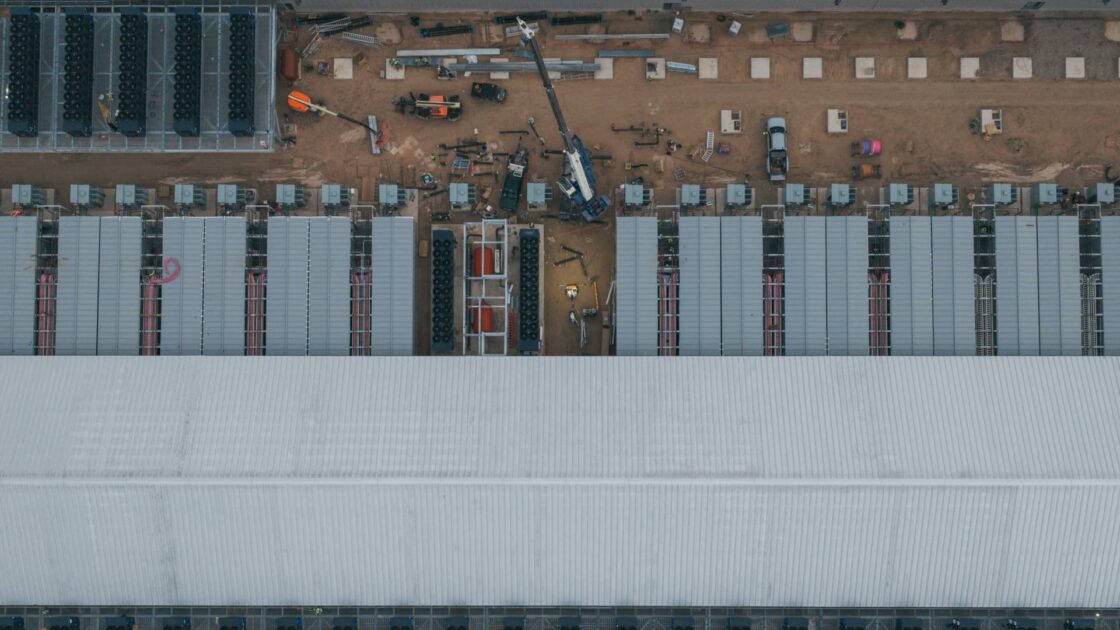
Concerns regarding a potential demise or slowdown of data center construction are heavily exaggerated, according to utility chief executive officers and energy-focused investors who spoke at the Edison Electric Institute annual conference in Arizona, as reported by US Top News and Analysis (cnbc.com). Misleading information surrounds the artificial intelligence buildout, while insiders note that newly elected politicians have limited power to stop these projects, and any halted developments would likely simply move to other states.
Regulatory Realities in Texas
Texas serves as a primary energy and data center capital, drawing attention due to incoming political figures who campaigned on promises to address electricity affordability issues. However, data centers remain primarily a state-level issue, meaning federal officials hold little control over the outcomes. Any cancellations or moratoriums must originate from the statehouse in Austin, where current Governor Greg Abbott has already implemented a quiet pause on data center permitting.
The governor’s direct power in Texas is relatively limited, deriving mainly from the authority to appoint leaders who manage the permitting process. This power sits largely with the Public Utility Commission of Texas and the Texas Commission on Environmental Quality. The utility commission regulates electricity, telecommunications, and water industries, requiring its approval for data centers connecting to the public utility grid. Thomas Gleeson, the chair of the commission, also serves on the board of the electric grid operator ERCOT and holds his utility commission term through September 2029.
Facilities that operate off the grid with dedicated power sources face less state control, though they still require environmental permits authorized by the Texas Commission on Environmental Quality. This regulatory body is led by Brooke Paup, another appointee of Governor Abbott whose term runs through the following year. Unless these key regulators step down, the regulatory environment in Texas is unlikely to see major changes.
Broader Industry Impact and Alternative Locations
If Texas were to implement stricter measures to slow data center growth, industry sources indicate that companies would simply build those facilities in alternative states such as Louisiana or Oklahoma. Leaders in Louisiana and Oklahoma are actively working to attract businesses, offering gas-rich resources and ample power to capture data center investments.
Not every planned data center will be built, as numerous proposals were shelved prior to recent elections, and questions remain regarding whether the market ultimately needs all the planned compute capacity. Goldman Sachs noted in a research note that midterm election results pose only modest risks to artificial intelligence investment in the near term. The financial firm expects newly elected Democratic governors in states accounting for over a third of planned U.S. data center capacity to impose moratoria, but these restrictions will likely only affect unpermitted projects and leave the vast majority of 2027 construction unaffected.
Goldman Sachs projects that spending on artificial intelligence-related hardware will reach approximately $1.4 trillion by the end of next year. Furthermore, data centers represent only one driver of electricity demand alongside electric vehicles, manufacturing reshoring, and general electrification. Utility executives, including Exelon CEO Calvin Butler, Entergy CEO Drew Marsh, and EEI head Drew Maloney, confirmed to US Top News and Analysis that they see no slowdown in their internal electricity growth estimates.