Table of Contents
Millions of people displaced by the ongoing civil war in Sudan are at risk of losing access to emergency shelter as humanitarian aid stocks dwindle and funding remains critically low. The United Nations refugee agency (UNHCR) and the International Organization for Migration (IOM) issued a joint statement on Friday highlighting the deepening crisis.
Severe Funding Shortages
According to the UN agencies, approximately 15.4 million people across Sudan are in urgent need of basic household items and emergency shelter. However, due to severe financial constraints, humanitarian organizations are currently only able to prioritize assistance for about 10 percent of those in need. To date, only 936,000 individuals have received support, leaving a massive disparity between the actual requirements on the ground and the resources currently available.
“IOM and UNHCR remain committed to working with local humanitarian organisations and other partners to maintain shared supply pipelines, pre-position emergency stocks in priority areas and deliver assistance where needs are greatest,” the agencies stated. They emphasized, however, that these critical operations cannot be maintained without more predictable and flexible financial support.
Scale of the Displacement Crisis
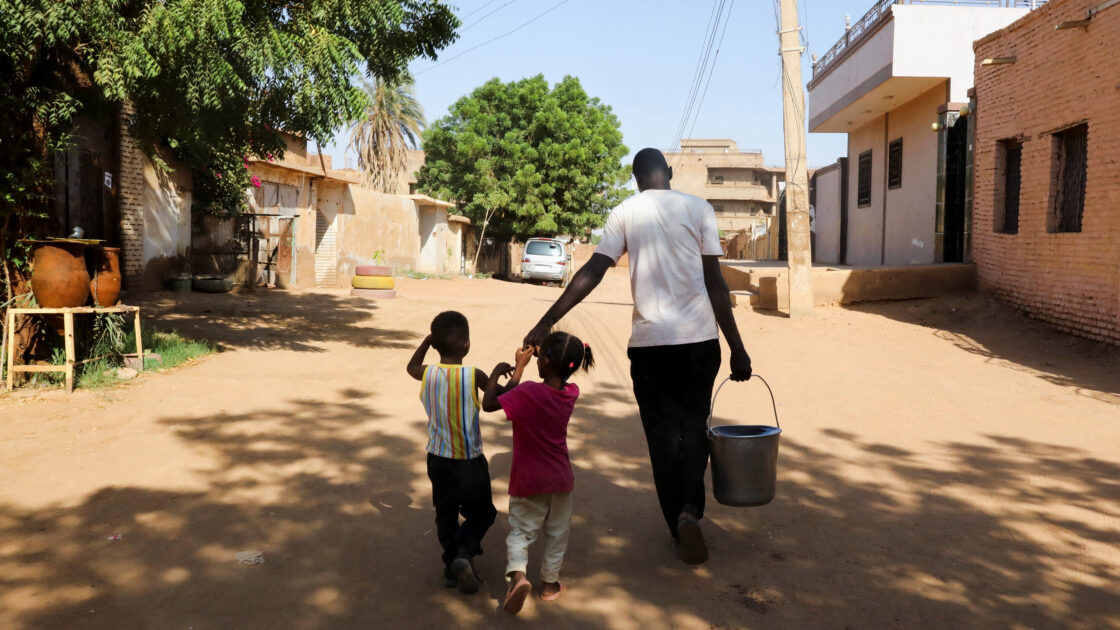
Since the conflict between the Sudanese army and the paramilitary Rapid Support Forces (RSF) erupted in 2023, Sudan has become the site of the world’s largest displacement crisis. Roughly 8.6 million people have been forced to flee their homes within the country, while an additional 4.6 million have crossed national borders to escape the violence.
The UN also noted that more than 5.2 million people have attempted to return to their areas of origin. Many of these returnees are discovering that their homes, essential infrastructure, and basic services have been completely destroyed by the fighting.
Impact on Vulnerable Families
The joint statement underscored the importance of shelter, noting that for families displaced multiple times by the conflict, a secure place to stay and basic supplies provide essential safety and dignity. This is particularly vital for children, women, and other vulnerable groups. For those attempting to return home, the agencies described shelter assistance as a foundational step toward rebuilding their lives.
Mohamed Refaat, the IOM chief in Sudan, reported from Khartoum that the agency is struggling to keep operations running as resources vanish. “Just this year, IOM was able to distribute more than 40,000 tonnes, but our warehouses are completely empty now,” Refaat explained. He warned that the number of internally displaced people could increase again and noted that aid agencies have already been forced to scale back their objectives due to the lack of funding.
The agencies are now calling for immediate financial contributions to replenish emergency stockpiles and prevent a further deterioration of living conditions for the displaced population.