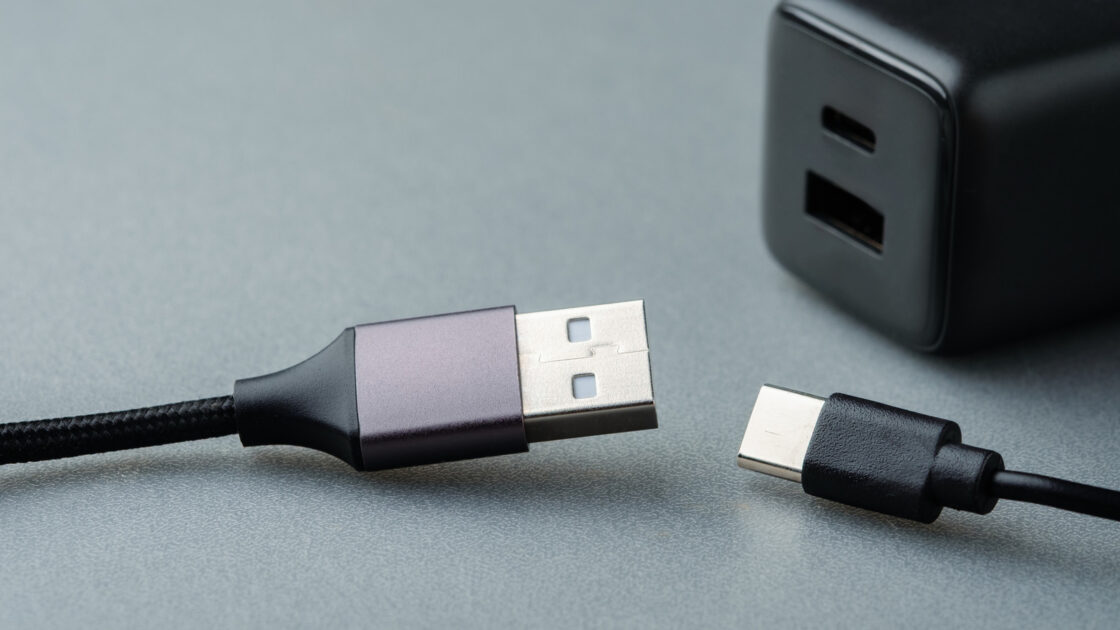
The two square holes on traditional USB Type-A connectors are an essential physical mechanism engineered to prevent cables from accidentally sliding out during operation. As reported by Engadget, these openings allow internal retention clips to grip the metal plug firmly, maintaining stable data transfers and power connections.
How the USB-A Retention System Works
The original Universal Serial Bus standard was developed in the late 1990s through a collaboration among major tech companies, including Intel, Microsoft, NEC, IBM, Compaq, DEC, and Nortel. Designed to unify external connections for peripherals such as keyboards and printers, the USB Type-A format established a single standard that reduced cable clutter. Subsequent iterations up through USB 4 drastically boosted data transfer speeds and charging capabilities.
Inside a female USB-A port, small spring-loaded retention clips align precisely with the two square cutouts on the male plug. When a user inserts a cable, these clips snap into place with a subtle click, holding the connector securely until pulled out with deliberate force. Because the port clips are designed for thousands of plug-and-unplug cycles, the retention mechanism remains durable over time. This fixed clip setup also dictates that USB-A cables must be plugged in a specific orientation.
Evolution of Connector Designs
Modern USB-C ports eliminate the need for exterior square holes by placing spring-loaded tabs inside the host port that latch onto small internal notches inside the cable head. This design allows for a fully reversible connection that plugs in easily from either side.
Before USB-C became widespread, visual display standards like DVI relied on dual hand-tightened screws to secure pin-array connections. Micro-USB took an alternate approach to USB-A by placing spring-loaded clips directly onto the male plug rather than inside the port, offering a sturdier solution than the earlier Mini-B format while ensuring that wear occurred on replaceable cables rather than device ports.
Regulatory shifts further accelerated the transition to unified ports. Although the European Commission endorsed Micro-USB for mobile hardware in 2009, the European Union later passed legislation in 2022 requiring manufacturers to adopt USB-C by 2024. Following these regulatory demands, Apple moved away from its proprietary 30-pin and Lightning connectors, adopting USB-C for the iPhone 15 family in 2023. Nevertheless, standard USB-A ports remain common in office hardware and existing accessories.