Table of Contents
Apple’s recently launched HomeView smart display is designed to function as an extension of the iPhone, prioritizing user privacy and personalization. According to Apple CEO John Ternus, the iPhone serves as the primary “intelligent personal hub,” making it the logical anchor for the new home-based device.
A Hub for Personal Data
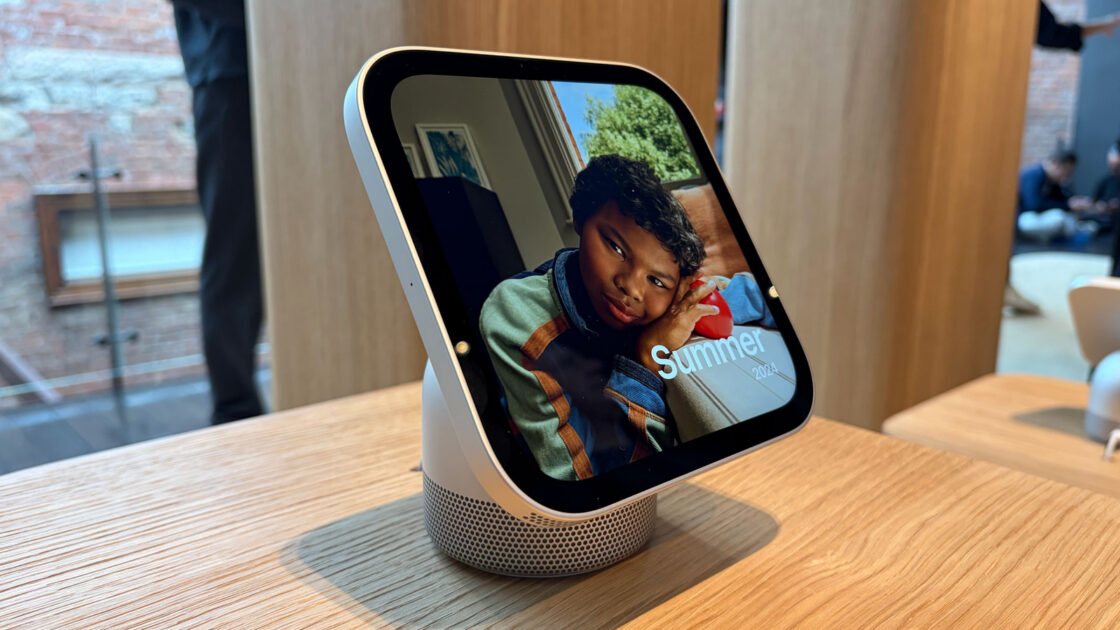
The HomeView acts as a multifunctional device, serving as a smart speaker, home automation controller, FaceTime station, and digital photo frame. However, unlike a tablet, it does not run standalone apps. Instead, it mirrors compatible applications from a user’s iPhone or iPad, similar to how CarPlay functions in vehicles. This approach allows users to access core Apple services like Messages, Calendar, Reminders, and Weather directly on the display.
Cecilia Dantas, a member of Apple’s Home product marketing team, told Engadget that the company’s design philosophy centers on three pillars: intelligence, personalization, and privacy. By keeping personal data contained within the iPhone and requiring the device to be nearby, Apple ensures that sensitive information remains secure and inaccessible to others in the household.
Privacy and Contextual Intelligence
The reliance on the iPhone is a deliberate security measure. Because the HomeView is a communal device, it must balance general home functions—such as controlling lights or checking the front door—with private information. To prevent unauthorized access to personal texts or calendar events, the device uses face and voice recognition alongside the requirement that a user’s paired iPhone be present and recently unlocked.
Matthew Costello, Apple’s VP of hardware engineering, explained to Engadget that this system ensures information is only available when the user is actively interacting with the display. “It recognizes you and shows you your information, but when you step away, it’s gone,” Costello said. He emphasized that personal data is never permanently stored on the HomeView itself, noting that the integration of contextual intelligence and privacy was a critical design goal.
Ecosystem Integration and Design
Beyond privacy, the connection to the iPhone enables features like Handoff, allowing users to transfer music or FaceTime calls seamlessly between devices. Dantas described this not as a dependency, but as a core component of the Apple ecosystem that provides a familiar user experience.
The device’s physical design also reflects a specific intent. The HomeView lacks buttons, a choice that Costello attributed to a “voice-first, touch-second” design philosophy. While the device incorporates elements of an iPad, Apple Watch, and HomePod, the team prioritized voice interaction to maintain a clean, simple interface.
During the development process, the engineering team faced the challenge of deciding which existing services to include to maintain that simplicity. Dantas explained that the team intentionally exercised restraint, building upon Apple’s existing home product foundation to deliver an experience that is both powerful and easy to use.