Table of Contents
Native communities across the US south-west are working to recover after unprecedented El Niño-driven rainfall caused historic flooding and toxic sewage spills. Residents and local groups have banded together to support displaced families and farmers facing severe property and crop losses.
Historic Floods and Toxic River Conditions
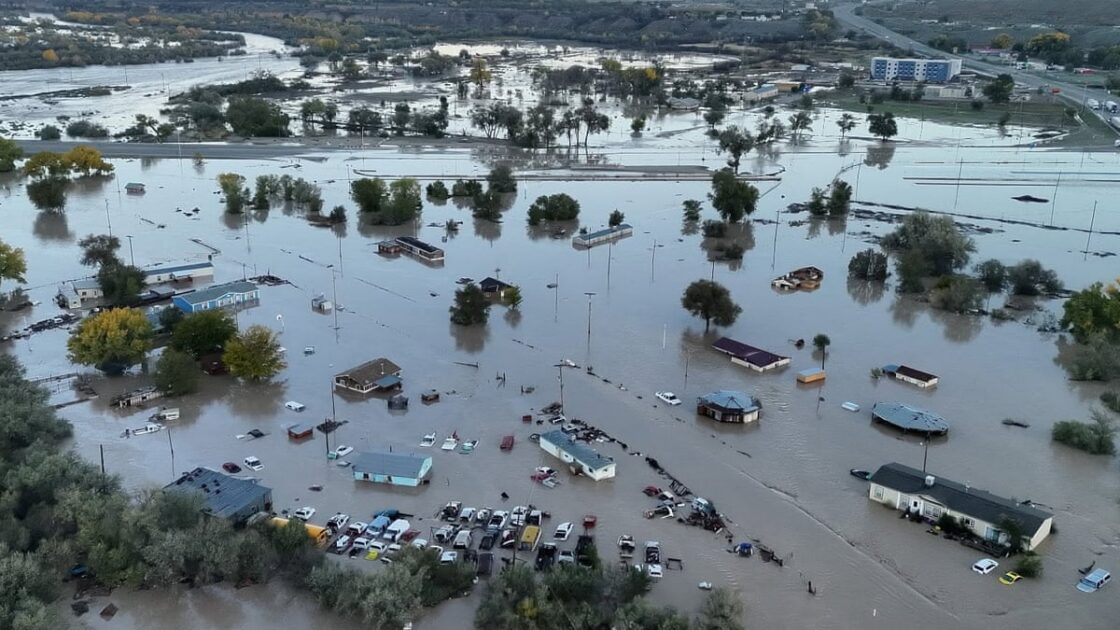
Heavy thunderstorms and rains lashed the Four Corners region in late October and early November following a dry summer. The San Juan River crested at 21ft near Shiprock, New Mexico, marking the highest level reported there since 1935. The flood waters damaged several wastewater treatment facilities in New Mexico and Utah, sending sewage into the river and prompting officials to warn residents to stay out of the hazardous water.
The storms affected communities across the 27,000-sq-mile Navajo Nation reservation. Emergency personnel rescued elders by raft and helicopter in Dennehotso, Arizona, while residents near Bluff, Utah, faced evacuation orders as E coli levels in the river and surrounding soil measured 25 times the norm.
Impact on Local Farmers and Insurance Concerns
In Shiprock, farmers watched helplessly as flood waters submerged their fields and crops. Shepherd and fiber artist Kevin Aspaas harvested his beans early, but friends suffered total losses, including a corn crop that was soaking in flood water and a family whose farm and home were completely submerged.
Zachariah Ben of Bidii Baby Foods stated that E coli and treatment chemicals are leaching into the soil and threatening future growing seasons. Ben added that crop insurance does not function the same way on tribal trust land, leaving Navajo farmers to absorb massive losses for their infrastructure and crops.
Community Response and Recovery Efforts
Virginia Kirk, owner of a rental company and event space in Shiprock, noted that displaced families are struggling with a lack of insurance and uncertainty about the future. Following power outages and freezing temperatures, local leaders such as Denisa Livingston of the Diné Community Advocacy Alliance and chef Mackee Bancroft stepped in to provide hot meals.
The Kirk Center quickly transformed into a central donation and distribution hub, providing clothing, pet food, diapers, and clean water, while animal welfare groups established temporary shelters. Evacuees like Jimmie Goodman and his sister received temporary housing through the Navajo housing authority, though they face upcoming rental deposits and extensive rebuilding efforts.
The floodwaters have begun to recede at Goodman’s property, but the access road remains impassable, allowing him to reach his home only on foot to feed his chickens.