The total amount of money held by UK taxpayers in offshore accounts across various tax havens has surpassed £1tn for the first time. The disclosure has sparked renewed concerns regarding potential losses to the public purse and the challenges of tracking hidden wealth.
Growth in Offshore Holdings
Data from HM Revenue and Customs (HMRC), obtained by the TaxWatch thinktank via freedom of information requests, reveals that the value of balances held offshore in tax havens grew by 10% between 2022 and 2024. These represent the most recent figures currently available.
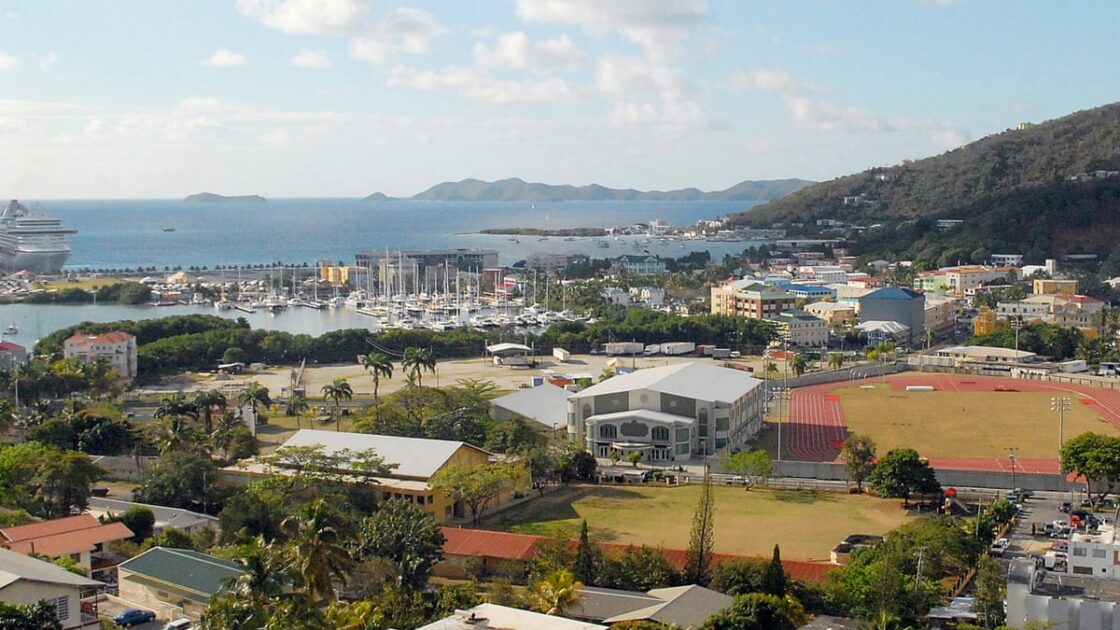
The compilation of tax havens utilized in the HMRC data stems from a list originally created by researchers from the EU Tax Observatory. The jurisdictions included feature Hong Kong, the Isle of Jersey, Switzerland, Liechtenstein, and Panama, alongside locations renowned for corporate secrecy and low taxes such as the British Virgin Islands and Bermuda.
Although a significant portion of these offshore funds is likely declared properly to British authorities, substantial sums remain difficult to trace and recover.
Challenges in Tax Recovery
According to the HMRC data provided to TaxWatch, the tax authority successfully recovered an average of £125m annually in previously unpaid tax, interest, and penalties from offshore accounts. This recovery is largely facilitated by information-sharing frameworks like the common reporting standard (CRS), which obligates participating nations to exchange details about foreign bank accounts to combat fraud and tax evasion.
However, an earlier HMRC snapshot from 2018 estimated that between £200m and £700m in taxes went unpaid annually across all offshore accounts. Furthermore, TaxWatch pointed out that roughly one-fifth of offshore accounts owned by UK taxpayers were reported through the CRS framework without a unique taxpayer identifier. These identifiers are supposed to be collected by financial institutions, and their absence makes it difficult for HMRC to link undeclared accounts to specific taxpayers.
Mike Lewis, the director of TaxWatch, stated that last month’s budget brought a welcome announcement of a new HMRC plan to increase wealthy and offshore tax compliance, but noted these new figures show that plan will require more resources, expertise and time.
Lewis stated that much less unpaid tax is being recovered from offshore accounts than HMRC’s estimate of tax evasion in such accounts, adding that this estimate only covers accounts automatically notified to HMRC that UK taxpayers hold in their own names. Lewis described that category as the lowest-hanging fruit, noting that most tax evasion happens behind much more complex structures.
TaxWatch additionally stated that HMRC has repeatedly delayed publishing comprehensive estimates regarding all tax going unpaid on offshore income and gains. This delay leaves the government and the public unable to accurately benchmark how effectively the tax authority handles offshore non-compliance and tax evasion.
HMRC Enforcement Measures
HMRC recently announced new measures aimed at cracking down on wealthy taxpayers, which includes targeting individuals who store assets overseas. As part of this initiative, dedicated customer compliance managers have been assigned to more than 200 billionaires to address a wealthy tax gap. HMRC estimates this effort could raise at least £500m toward a broader goal of securing £10bn in additional tax revenues by 2030. These plans follow scrutiny from MPs on the parliamentary public accounts committee in July last year regarding HMRC’s grasp of tax compliance among roughly 1.3 million wealthy taxpayers.
An HMRC spokesperson stated that the agency has led the way in increasing global tax transparency, helping tackle offshore tax risks and ensuring everyone pays the right amount under UK law. The spokesperson added that the agency has already strengthened its approach by consolidating specialist expertise to address complex offshore risks, and noted that 400 additional personnel are being deployed to handle wealthy offshore non-compliance by the year 2030.