Table of Contents
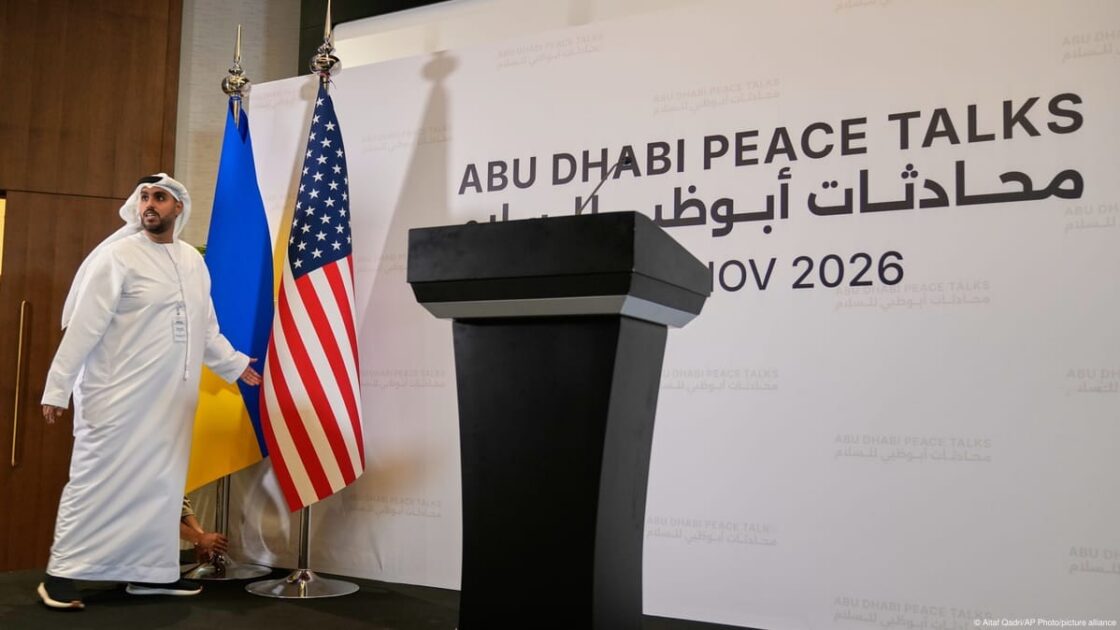
Delegations from Ukraine, the United States, and Russia concluded two days of negotiations in Abu Dhabi on November 11 without reaching a ceasefire agreement. The primary outcome of the meetings was a commitment to a large-scale prisoner exchange.
Agreement on Prisoner Exchange
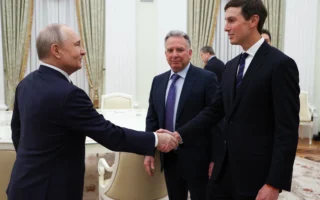
Jared Kushner, representing the US, announced that the parties had reached an agreement on what he described as the largest humanitarian release of prisoners, with final numbers to be determined shortly. US envoys Kushner and Steve Witkoff traveled to Moscow following the talks to meet with President Vladimir Putin.
Ukrainian President Volodymyr Zelenskyy had previously proposed exchanges involving 1,000 to 1,500 prisoners. Russia indicated that a large-scale swap could be executed within the next two to three weeks. Zelenskyy noted on Telegram that the discussions also covered security guarantees, emphasizing that the priority remains ending the war and ensuring Ukraine’s security, while calling for European involvement in the diplomatic process.
Expert Perspectives on the Outcome
Analysts interviewed by Deutsche Welle characterized the prisoner swap as a significant humanitarian achievement. Artjom Bronzhukov of the Ukrainian think tank Polityka described the agreement as a major step forward. Pavlo Lakiychuk of the Ukrainian Center for Global Studies Strategy XXI echoed this sentiment, calling the return of captives a tangible success. Lakiychuk added that a true breakthrough would involve the release of civilian detainees held in Russian-occupied territories since 2014, particularly those from Crimea.
However, some experts expressed skepticism regarding the broader diplomatic progress. Iuliia Osmolovska of the international think tank GLOBSEC cautioned that positive statements from officials are often standard diplomatic language used even when negotiations stall. She cited a summer assessment by 71 security experts, which estimated only a 19% chance of a peace agreement or ceasefire in the near term. Osmolovska suggested that neither side is currently prepared for genuine negotiations, describing the process as an attempt to project progress.
Territorial Disputes and Future Outlook
The talks addressed reports of potential US proposals to adjust administrative boundaries in the Donetsk and Luhansk regions. A member of the Ukrainian delegation stated that there had been no discussion regarding territorial concessions. Kyrylo Budanov, head of the Ukrainian president’s office, declined to confirm if Russia demanded a withdrawal of troops from the Donbas, noting that negotiation details remain confidential until an agreement is reached.
Conversely, Russian delegation head Vladimir Medinsky maintained a firm stance, asserting that Russian land would be returned. President Putin continues to claim the regions of Donetsk, Luhansk, Zaporizhzhia, and Kherson as Russian territory. Experts like Bronzhukov warned that proposals involving free economic zones in the Donbas could lead to Russian control, while Lakiychuk questioned the viability of such territorial adjustments, suggesting they might encourage further demands.
Following the meetings in Moscow, President Zelenskyy stated his intention to coordinate positions with the Americans. No further trilateral meetings have been scheduled at this time. While some analysts expect a return to military action, others argue that maintaining dialogue is essential for humanitarian efforts and broader continental security.