Table of Contents
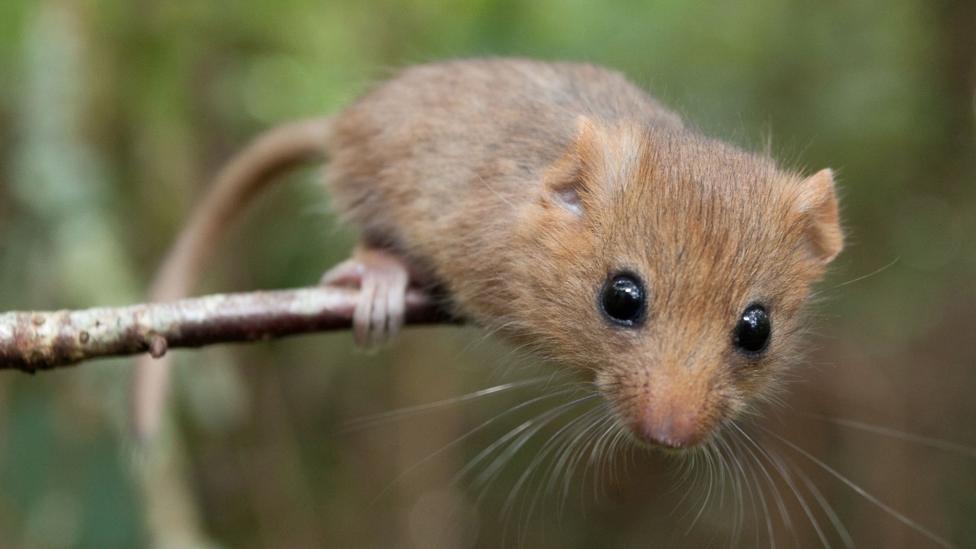
Hazel dormouse populations in England and Wales are showing signs of a potential recovery after years of steady decline. New data indicates an increase in numbers between 2020 and 2025, providing a rare positive development for one of Britain’s most popular mammals.
Long-Term Decline and Recent Trends
The hazel dormouse, the only native species of dormouse in the UK, has vanished from much of the countryside. Conservationists have previously warned about a long-term collapse in the population, with the animals disappearing from around 20 English counties as large areas of woodland are lost. They are now largely restricted to southern England and parts of Wales.
The National Dormouse Monitoring Programme, managed by the conservation charity People’s Trust for Endangered Species (PTES), has tracked sites across England and Wales since 1998. Records show that dormouse numbers plummeted by nearly 60% after 2000, representing an average annual drop of 3.5%.
Recent data, however, suggests this downward trend may be reversing. Findings indicate the population grew by nearly 10% from 2020 to 2025, though researchers emphasize that a significant degree of uncertainty surrounds this figure.
The Impact of Warmer Weather
The apparent population increase aligns with a timeframe featuring warmer and drier springs and summers than average. Hazel dormice are renowned for sleeping through much of the year, hibernating in ground nests from October until May.
During the warmer months, these small rodents can also enter short periods of deep sleep called torpor when food is scarce or the weather turns cold and wet, helping them conserve energy. Scientists suggest that warmer summers lessen the need for torpor, allowing the animals to spend more time feeding and building up fat reserves before winter.
Ian White, a report co-author from PTES, told BBC News that the positive shift provides reasons for cautious optimism. “We mustn’t lose sight of the bigger picture: populations remain almost 60% lower than they were in 2000,” he noted.
Future Challenges and Habitat Protection
Researchers note that further study is required to fully comprehend the long-term consequences of climate change on the species. Dr. Charlotte Armitage, an ecologist involved in the survey, pointed out that substantial uncertainties persist, such as how the animals will react to warmer and wetter winters.
Nevertheless, she explained that warmer summer weather likely provides dormice with increased energy to reproduce and successfully raise additional litters. Conservationists stress that safeguarding the woodlands and hedgerows where the animals make their homes remains vital for their survival.
“This is good news, but we can’t be complacent,” Dr. Armitage said. “We still need to protect their habitat, do more research into the effects of climate change and carry out effective woodland management for the benefit of dormice.”