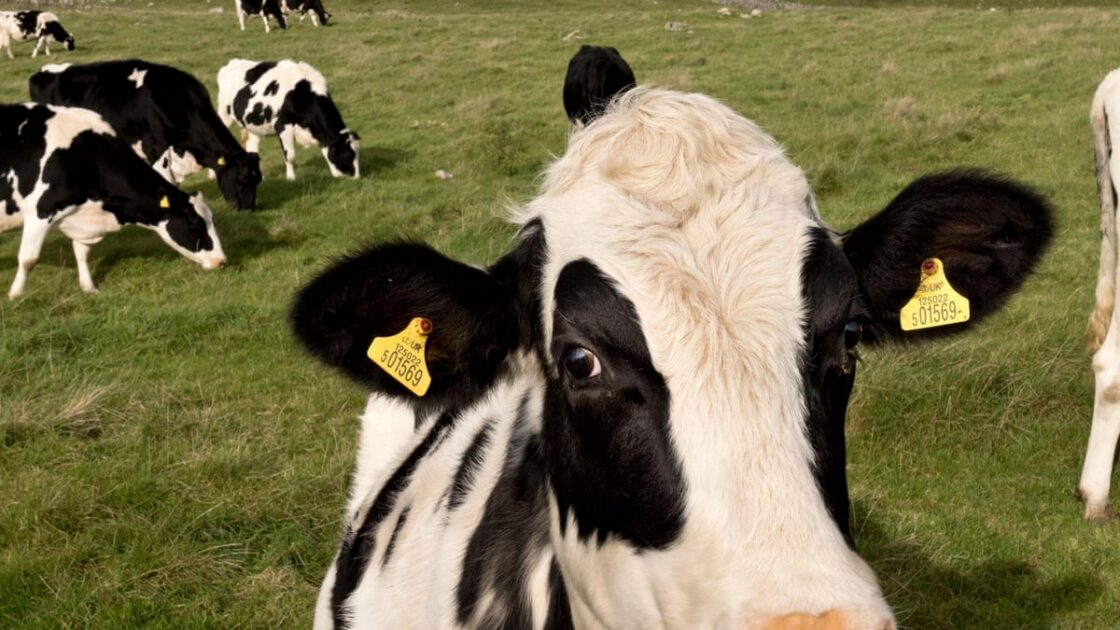
UK dairy farmers are facing increased financial pressure following decisions by major milk processors to reduce the prices paid to producers. Freshways announced a significant price reduction, prompting warnings from the farming community that sector confidence has reached rock bottom.
Processor Price Cuts Strain Producers
Most UK dairy producers were already receiving less for their milk than the cost of production following a volatile year marked by summer droughts and soaring fuel and fertilizer costs driven by the conflict in Iran. The situation worsened when Freshways, a major processor supplying convenience stores, cafes, hotels, and wholesalers, revealed it would slash its milk price by 7p a litre starting December 1, bringing it down to 29.4p a litre. The company stated that the reduction was necessary due to weaker dairy markets and poor returns for liquid milk that squeezed processors. This cut nearly negates the 9p a litre increases that Freshways had introduced over the previous two months to support farmers through the dry summer.
Freshways Managing Director Bali Nijjar explained that expected improvements in dairy markets failed to materialize while company operational costs increased. Simultaneously, dairy cooperative Arla Foods lowered its standard milk price in November by 0.45p a litre to 40.41p a litre, while keeping organic milk steady at 58.25p a litre. Arla noted that global milk supplies were stabilizing at high levels, alongside a slight decline in the whey protein market from record highs. Dairy market analyst Chris Walkland described Arla’s adjustment as a standard, gradual movement, whereas the scale of the Freshways cut caught producers and analysts by surprise.
Industry Reaction and Market Pressures
National Farmers’ Union (NFU) dairy board chair Ian Harvey stated that the industry had been shaken to its core. Harvey noted that while farmers expected minor market adjustments, the magnitude of the Freshways reduction was difficult to manage. Walkland pointed out that the Freshways cut occurred while other processors maintaining cheese production held their prices steady, describing the company as fiercely competitive when milk volumes are high.
Oversupply issues trace back to a positive autumn for milk production in the UK and Europe, compounded by farmers maintaining production during the summer drought by using animal feed when grass growth stopped. Walkland added that farmers often lack the flexibility to switch processors or negotiate better prices, as few processors are actively recruiting new suppliers. While supermarkets like Tesco and Sainsbury’s pay dedicated liquid milk suppliers based on production costs, producers supplying cheese and butter receive far less protection, leaving margins tight across an industry where milk has historically been used to draw in shoppers.