Table of Contents
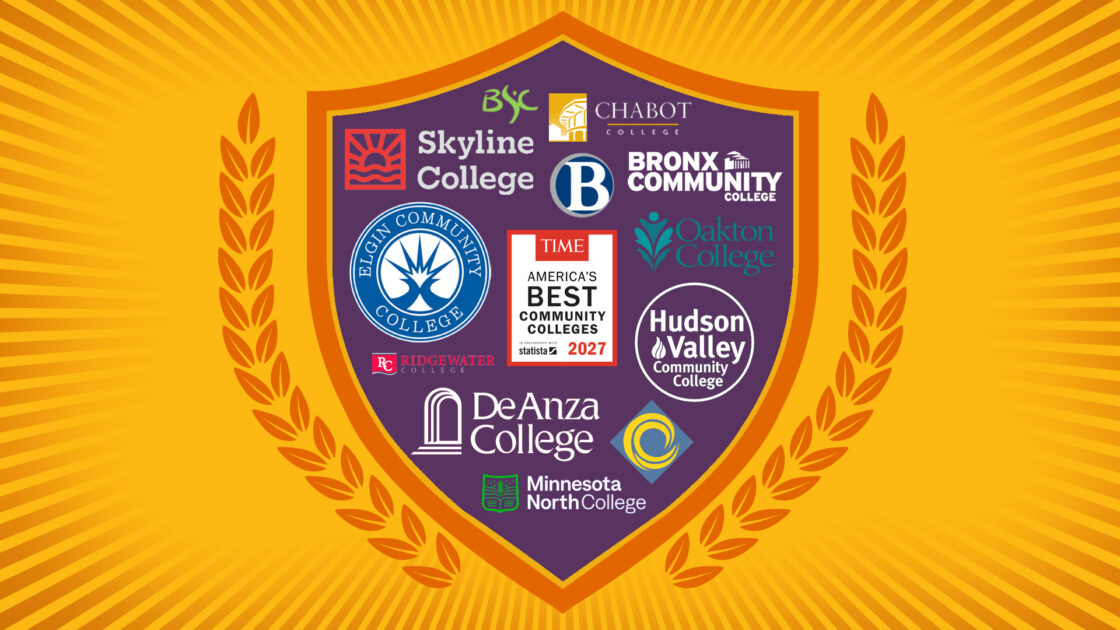
TIME and data firm Statista have published an unranked list identifying the top 250 community colleges in the United States. This report highlights the best institutions out of approximately 1,100 schools nationwide, arriving as enrollment at these colleges continues to rise.
Evaluation Criteria and Methodology
To qualify for the list, institutions were required to be public, accredited associate colleges located within the 50 U.S. states or Washington, D.C. Each school had to be financially solvent and maintain an enrollment of at least 100 students while offering two-year degrees. The selection process utilized publicly available data from the Integrated Postsecondary Education Data System (IPEDS) and the College Scorecard.
Statista and TIME evaluated the schools based on several key metrics, including graduation and transfer rates, student-faculty ratios, and core expenditure per student. The assessment also considered campus resources, student diversity, and the earnings of graduates.
The Role of Community Colleges in Higher Education
Community colleges currently serve more than 10 million students, accounting for roughly 44% of all undergraduates in the U.S., according to the Community College Research Center. Josh Wyner, founder and executive director of the College Excellence Program at the Aspen Institute, notes that these institutions are central to the nation’s higher education system despite common misconceptions.
Affordability remains a primary driver for enrollment, with tuition typically costing about half that of public four-year institutions. Many students use these colleges as a bridge, transferring to four-year universities after completing their requirements. For instance, students at Northern Virginia Community College, which is featured on the list, have a direct path to George Mason University. Additionally, many students attend these colleges for continuing education, such as English as a Second Language classes or to complete a GED.
Growth and Modernization
The landscape of community college enrollment is shifting. Data from the National Student Clearinghouse Research Center indicates that in the 2024-2025 academic year, students aged 18 to 20 represented the largest share of first-time associate degree earners for the first time. Furthermore, high school students are increasingly enrolling in community college courses to earn credits early, a trend Wyner describes as “astonishing growth” that has surpassed Advanced Placement (AP) participation.
While Liberal Arts, General Studies, and Health Professions remain the most common fields of study, colleges are adapting to new industry demands. Institutions such as Austin Community College in Texas and West Valley College in California are now offering specialized certificates to prepare students for the semiconductor industry, addressing a shortage of qualified workers in the chipmaking sector. Additionally, federal support has expanded, with Pell grants now available for students pursuing workforce training under the “One Big Beautiful Bill” signed by President Trump.