Table of Contents
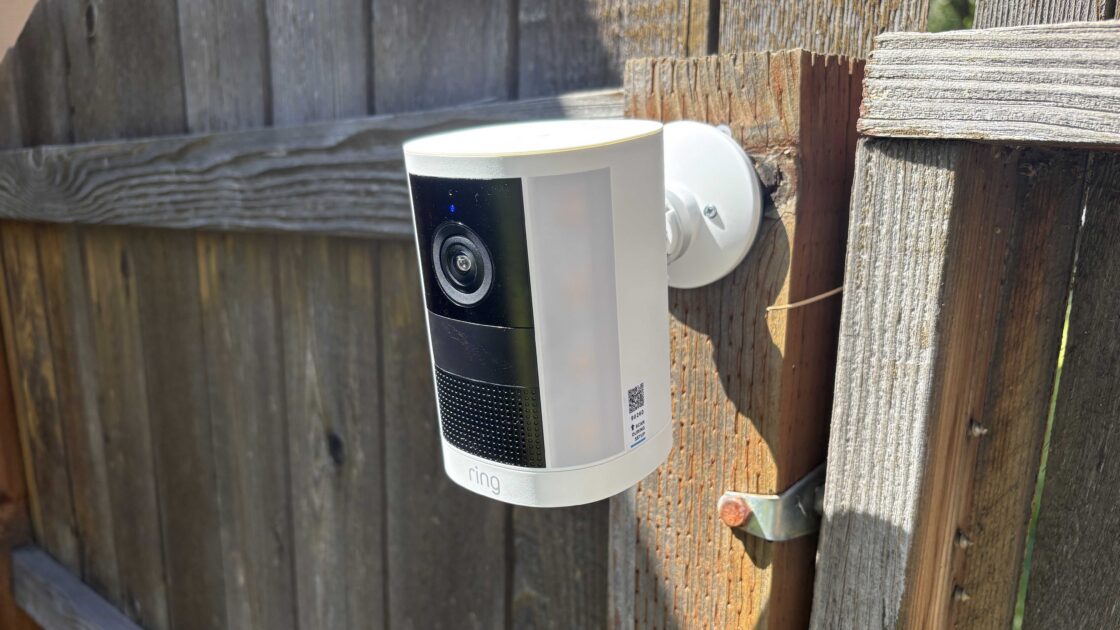
Ring has quietly developed a marketplace of third-party artificial intelligence applications that drastically expand the surveillance features of its video doorbells and security cameras. As reported by CNET, these mini software programs utilize Ring’s object recognition technology to monitor neighborhood activities, track work crews, and observe domestic pets, though they frequently require their own separate monthly subscriptions.
Automating Neighborhood and Property Monitoring
A growing number of developers are offering specialized monitoring tools tailored for neighborhood oversight and property management. For around $8 every month, an application called DumpWatch flags large amounts of abandoned garbage and produces timestamped reports intended for law enforcement or municipal authorities. However, test scenarios show the software can flag ordinary trash cans left beside curbs on standard collection days.
Other software focuses on residential aesthetic regulations. The LawnWatch program charges users $3 per month to watch for homeowners association violations, such as unattended toys or pet waste left behind. Landscaping software like Greenlapse takes a different approach by recording time-lapse footage to measure vegetation growth on an owner’s personal grounds.
Landlords and property hosts also have access to dedicated surveillance tools. Applications such as ZoneGauge cost $5 each month to estimate real-time headcounts within a designated area to detect unauthorized gatherings, while the $8 monthly GuardCat app creates automated summaries of guest departures, cleaning crew visits, and house rule infractions. Platforms such as Airbnb maintain strict prohibitions against indoor surveillance hardware, limiting proper deployment to outdoor settings.
Wildlife, Pet Care, and Workplace Tracking
Beyond human activity, several add-ons analyze animal movements and commercial operations. The Pet Vet AI utility charges $10 per month to review camera snapshots for signs of physical illness, such as limping, regurgitation, or abnormal sleeping behavior. For outdoor fauna, YardWild relies on night vision sensors to spot wild visitors while ignoring humans and birds, whereas What’s That Bird.AI identifies visiting bird species for a $5 monthly fee.
Industrial settings have also been targeted by programs like ProofClock and TimeStack. These platforms are built for industries such as freight and construction, logging worker arrivals, shifts, and operational metrics regardless of whether a supervisor is physically on site.
Privacy Policies and Device Support
Device compatibility is determined by each developer, with certain applications requiring hardwired Ring units or models released within the past year. In Ring’s app directory, privacy listings specify the information collected by each third-party tool, which can include motion event records, user email addresses, live camera feeds, and permissions to train AI models.
While the software generally operates within legal boundaries when deployed on private grounds without facial recognition, pointing cameras toward neighboring properties to log infractions creates potential legal risks regarding reasonable expectations of privacy.