Table of Contents
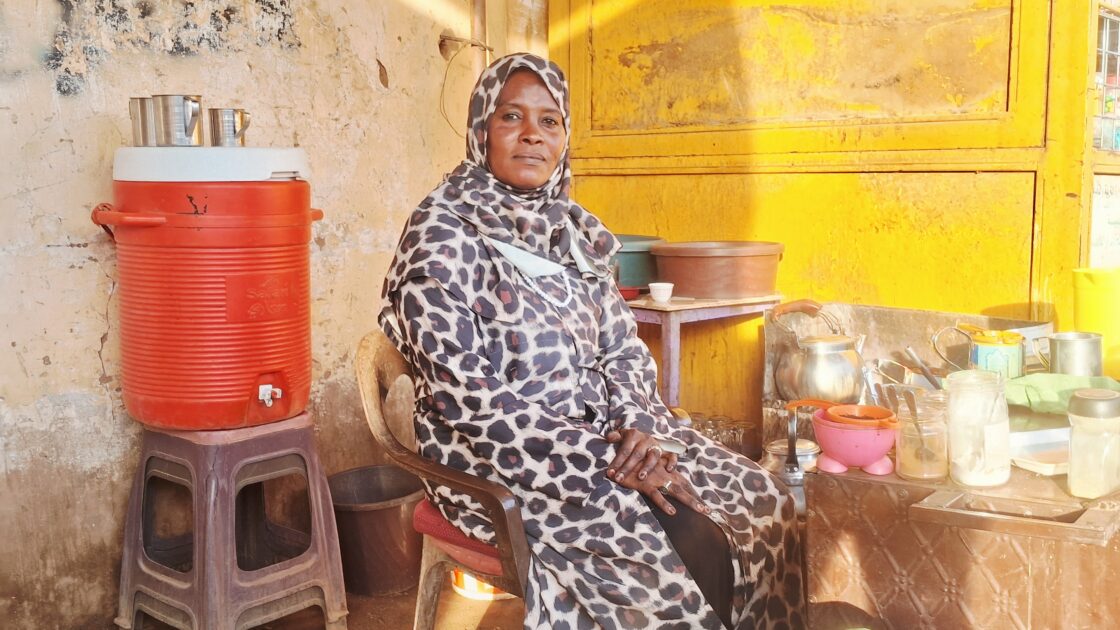
Families in Khartoum, Sudan, are struggling to survive as a combination of ongoing war and soaring inflation pushes the cost of daily essentials beyond reach. Rasha Abdelaziz Musa, a 39-year-old tea seller, works seven-hour days but often remains unsure if she can feed her four children when she finishes at 10pm.
Struggles of Daily Life
Musa’s earnings no longer cover rising food prices in the capital. Her husband, a member of the Sudanese military, has spent more than eight months on the front lines fighting the paramilitary Rapid Support Forces in a conflict that began in 2023. Having received no money or contact from him for months, Musa is left alone to support her children in school and kindergarten.
Musa told Al Jazeera that feeding her family requires about 40,000 Sudanese pounds ($4 at parallel-market rates) daily, excluding rent and other necessities. Relying on affordable staples like fava beans or lentils, she frequently ends her days in debt to local food traders.
Other large households face similar pressures. Ahmed Youssef, 61, supports 12 people through butchery work and livestock sales. Earning between 90,000 and 140,000 pounds ($9 to $14) per successful deal, his irregular income falls short of daily household expenses exceeding 100,000 pounds ($10). He noted that older children must now work to help cover costs. Similarly, 57-year-old Ali Fadil, who supports 10 people without a permanent job, faces daily costs of about 70,000 pounds ($7). Fadil told Al Jazeera that he sometimes skips meals to pay for school fees and medical costs, or borrows money to meet other obligations.
Soaring Food Prices and Currency Depreciation
A survey of four local Khartoum markets by Al Jazeera revealed sharp price increases within days. Sugar reached 10,000 pounds ($1) per kilogramme up from 9,000 pounds ($0.90), while a litre of cooking oil rose to 25,000 pounds ($2.50) from 20,000 pounds ($2). A loaf of bread climbed to 500 pounds ($0.05) compared to 300 pounds ($0.03) a week prior. Lentils increased to 10,000 pounds ($1), rice to 13,000 pounds ($1.30), and powdered milk reached 70,000 pounds ($7) per kilogramme. Concurrently, the parallel-market exchange rate for the Sudanese pound dropped to 10,000 per US dollar on Friday, down from 9,500 the previous day.
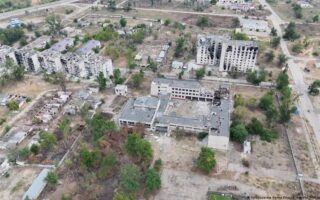
Official data from Sudan’s Central Bureau of Statistics confirms the worsening cost of living, showing countrywide prices were 28 percent higher in September than a year earlier. Food and beverage costs rose nearly 37 percent annually. The crisis hit Khartoum State hardest, with prices jumping nearly 60 percent year-on-year. Although displaced residents have returned and businesses are reopening after the military recaptured the state last year, damaged infrastructure, rising transport costs, and fuel shortages have constrained goods and driven up prices.
The conflict serves as the primary driver of the economic collapse, with the World Bank estimating that Sudan’s economy shrank by 29 percent in 2023 and another 14 percent in 2024. Additionally, the International Organization for Migration reported nearly 8.9 million internally displaced people as of April.
Economic Deterioration and Expert Solutions
Journalist and economic specialist Khalid Teks explained that the country’s economic decay predates the war, driven by events such as South Sudan’s 2011 secession, currency depreciation, corruption, and international isolation. Teks noted that the conflict further devastated infrastructure, depleted savings, and disrupted agriculture, while climate concerns and limited rainfall threaten future harvests.
Teks told Al Jazeera that households are forced to deplete savings and sell belongings, while remittance channels have faced disruptions.
“The government needs to provide direct support through dedicated funds and the Zakat Chamber, facilitate humanitarian organisations and offer affordable loans for small businesses and vocational activities,” Teks said, adding that such measures could help reopen markets and expand microfinance.