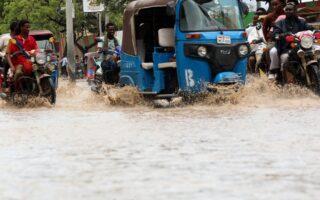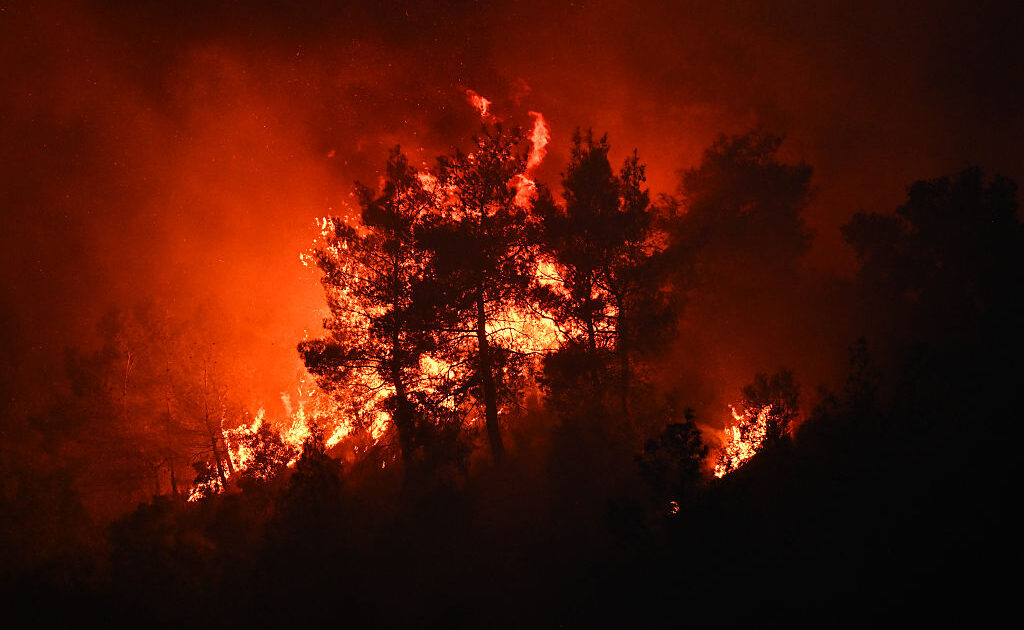
A study led by Jianghao Wang, a professor at the Chinese Academy of Sciences, revealed that reduced human movement during the 2020 COVID-19 lockdowns resulted in an overall decline in average global fire activity. Published in the journal Cell Reports Sustainability, the research analyzed how temporary shifts in human behavior during the pandemic impacted wildfire occurrences compared to other years.
Human Influence and Weather Factors in Wildfires
Wildfires represent a major global hazard, as highlighted by severe incidents such as the 2019–2020 Australian bushfires that ruined thousands of residences, as well as the 2025 Los Angeles blazes that inflicted extensive localized damage. While natural environmental factors heavily shape fire behavior, human actions are unique because people can implement active measures to prevent outbreaks. However, isolating human impact from weather patterns remains challenging for researchers.
Scientists classify fire behavior through fire regimes, which define the timing, frequency, scale, and severity of blazes across different ecosystems. Weather conditions play a critical role in shaping these patterns. Abundant rain promotes vegetation growth that eventually becomes potential fuel, whereas low plant moisture and extended droughts leave landscapes highly susceptible to ignition. Furthermore, high winds rapidly expand the reach and velocity of active flames.
Human activities frequently intersect with dry weather to heighten fire dangers. Routine outdoor recreational trips during sunny, dry periods increase the probability of accidental ignitions when flammable vegetation is abundant.