An investigation by the Office for Environmental Protection (OEP) has found that the Department of Agriculture, Environment and Rural Affairs (Daera) is failing to protect wild birds. The watchdog stated that Daera failed to comply with environmental laws requiring the classification and updating of Special Protection Areas (SPAs).
Investigation Findings and Legal Obligations
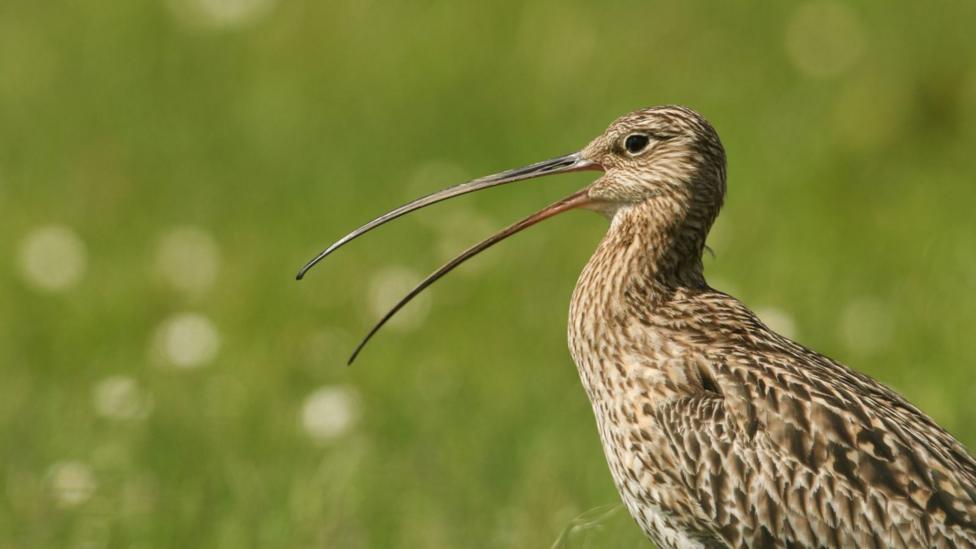
SPAs provide homes for rare and threatened bird species such as the curlew and whooper swan, both of which continue to experience population declines in Northern Ireland. According to the OEP, authorities have not taken necessary action to maintain or restore these wild bird populations and their critical habitats.
Helen Venn, the OEP’s chief regulatory officer, acknowledged that positive steps had been taken, but noted that delays in meeting legal obligations contributed significantly to the decline of wild birds. She explained that SPAs are essential for achieving the Executive’s commitments regarding nature, including the Environmental Improvement Plan and the international goal to protect at least 30% of land and seas for nature’s recovery by 2030. Venn stressed the importance of Daera fulfilling its legal responsibilities within a reasonable timeframe to deliver nature recovery.
The decision notice marks the latest step in the OEP’s ongoing investigation, which began in 2024. A parallel investigation is examining the same issues involving Defra and Natural England, both of which have also received decision notices. The notice details failures by Daera, including the failure to classify and update SPAs, the absence of measures to protect declining birds, and the omission of a required review of habitats.
Ministerial and Conservation Responses
Environment Minister Andrew Muir stated that the findings made for “uncomfortable reading” and added that there was “a moral and legal obligation” to protect wild bird habitats. He welcomed ongoing engagement between his officials and the OEP, pointing out that the watchdog recognized longstanding failures by successive administrations in both England and Northern Ireland.
“While we have a long way to go to reverse current trends, there are signs of hope and clear examples of nature recovery in action,” Andrew Muir said, adding that “the scale of challenge requires greater levels of support from across government to provide the necessary resources and funding to address the nature crisis.” He also mentioned that the recently published Nature Recovery Strategy and the Farming With Nature support package reinforce the department’s commitment to nature restoration.
Joanne Sherwood, the director of RSPB NI, stated that the findings were “no surprise” and noted that conservation organizations had highlighted these failings for decades. “Today’s findings from the OEP confirm what conservation organisations have been saying: action has been delayed for far too long,” Joanne Sherwood said. She added that the focus must shift to delivery, with the Executive leading the way and Daera along with the Northern Ireland Environment Agency (NIEA) receiving resources for urgent action.
The OEP’s recommendations advise Daera to address outstanding recommendations from a 2001 Northern Ireland SPA review where they remain ecologically relevant, or publish transparent ornithological reasons if they cannot be implemented. The department is also advised to identify decline causes, implement resourced plans to maintain or restore bird populations and habitats, and conduct the overdue habitat sufficiency review as soon as practicably possible.
Daera has been given two months to respond to the decision notice.