Table of Contents
The Samsung Galaxy Watch Ultra 2 arrives as a solidly designed $700 timepiece that puts activity tracking front and center. With a starting price that undercuts competitors, the wearable brings major improvements to battery longevity and performance alongside unique health-tracking metrics.
Hardware Upgrades and Design
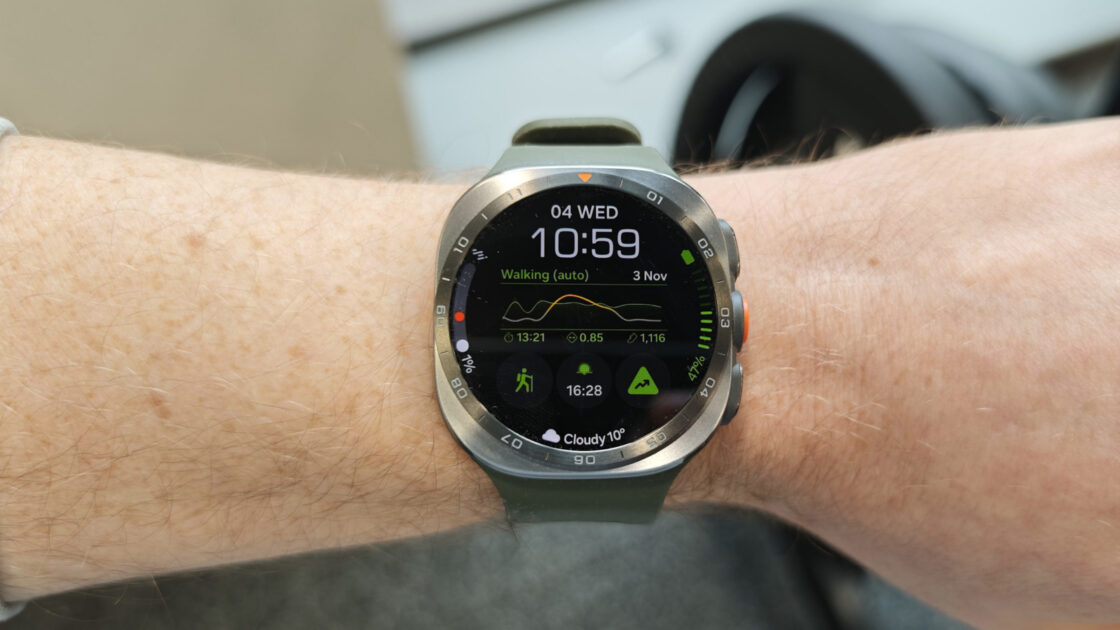
The Galaxy Watch Ultra 2 features a slightly bigger 1.52-inch display that reaches up to 5,000 nits of brightness, outperforming the original Watch Ultra’s 3,500-nit maximum and most other smartwatches on the market. Retaining the squircle design, the device is lighter and slimmer than its predecessor and Apple’s latest Watch Ultra 4, measuring 10.7mm thick and weighing 61.5 grams. It comes in a single 47mm size and utilizes the proprietary Dynamic Lug System for its bands.
The watch lacks a rotating bezel and features less protruding physical buttons along the right edge. Built with a shock-resistant titanium casing and IP69K dust and water protection, the wearable offers a 10 ATM water resistance rating for depths up to 100 meters, though a promised dedicated diving app remains unavailable months after the launch. Battery capacity increases significantly from the previous 590mAh cell to 800mAh, which, combined with the Snapdragon Wear Elite chipset, delivers up to three days of use with mid-to-light use and the always-on display active.
Software and Interface
Navigation involves a combination of three hardware buttons and directional swipes, though locating specific apps can occasionally prove challenging. Swiping down opens the Control Center, swiping up opens the app drawer, swiping right accesses notifications, and swiping left reveals fitness metrics and weather. Samsung divides its health features between the Health and Health Monitor applications to comply with medical device regulations and regional approvals across different markets.
Biometric Tracking and Health Features
The wearable introduces a wide array of biometric monitoring tools, including antioxidant levels, hydration tracking, body composition scanning, and loud noise detection. A new Heart Health Score feature attempts to synthesize sleep, stress, activity, and body composition data into a single metric, though viewing the score requires opening the companion smartphone app. The device also automatically detects workouts and walks consistently.
Antioxidant tracking requires users to place their thumb against the rear sensors, with the companion app providing dietary suggestions based on the readings. Sleep tracking has been updated to require only three days of past data instead of seven, and includes a personalized sleep coaching program and upgraded sleep apnea detection within the Health Monitor app. However, certain key features—such as sleep apnea testing, ECG, and blood pressure monitoring—remain restricted to users paired with a Galaxy smartphone.
The Samsung Galaxy Watch Ultra 2 stands out with its exceptional battery life, ultra-bright display, and robust hardware design. While some health tracking additions yield mixed utility, the device presents a capable alternative priced $100 cheaper than the Apple Watch Ultra 4, though buyers can also consider the more affordable Galaxy Watch 9 for $380.