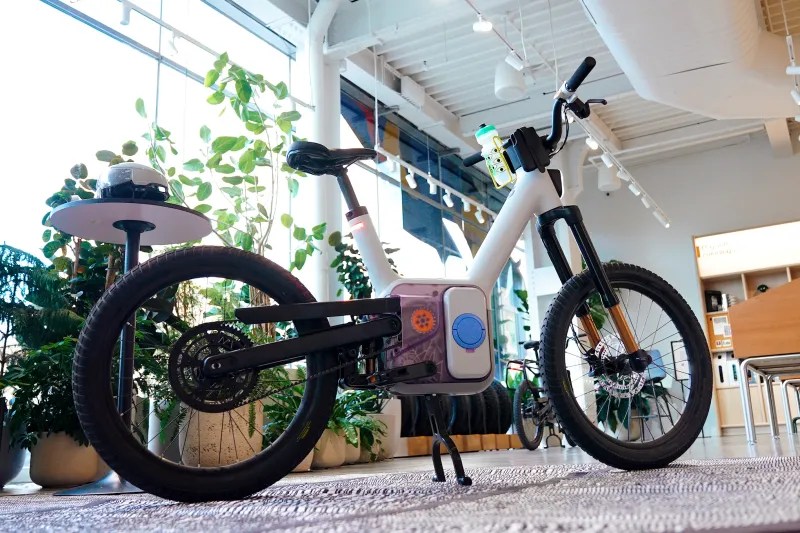
Mobility startup Also, which spun out from Rivian, has halted customer deliveries of its TM-B electric bikes due to software and charging bugs. The delay follows earlier supply chain difficulties and the complex task of producing a software-driven, high-tech bicycle.
Software Issues and Battery Drain
The company announced the delivery pause in an email to customers this week, explaining that it discovered software-based problems affecting charging behavior on Launch Edition models. According to senior PR manager Michele Mehl, speaking to The Verge, the timeline for completing Launch Edition shipments and transitioning to the Performance Edition will now be delayed beyond previous estimates.
Customers on the Also subreddit had already highlighted problems, including batteries draining overnight and causing error messages on the bike’s display. Users also reported that charging attempts often failed because the bike did not recognize the installed battery.
Mehl stated that the team is working on a firmware update to resolve the issues and ensure a complete product experience, with another update scheduled for November 24th.
High-Tech Design and Complex Engineering
From its inception, Also faced significant logistical challenges in developing the TM-B e-bike. The vehicle features USB-C chargeable batteries providing up to 100 miles of range, with power delivery that required the company to establish new safety and testing protocols with standards groups.
The bike utilizes a pedal-by-wire system without a mechanical connection between the pedals and movement. Riders operate a generator motor on the crank to recharge the battery, while a separate software-driven traction motor operates the rear wheel through a belt drive.
When asked last month if the startup had taken on too much, Also President Chris Yu defended the design approach. He stated that the target demographic consists of people hesitant to use traditional bicycles who expect a frictionless experience comparable to modern electric vehicles.
Yu explained, “Solving those pain points requires a baseline of technology. Just like in automotive EVs, once you use software to personalize the ride and eliminate friction, people opt in.”