Table of Contents
For decades, residents of San Miguelito, a densely populated district on the outskirts of Panama City, have lived surrounded by mountains of rotting waste. As the city grapples with the environmental and health consequences of this long-standing issue, local authorities and environmental groups are now working to implement urgent interventions.
A Daily Struggle with Waste
In San Miguelito, trash dictates the rhythm of daily life. Residents navigate streets filled with discarded items, while the constant presence of flies, rats, and stray dogs creates a persistent health hazard. Yamileth, a local resident, told The Guardian that the community feels abandoned, noting that dengue fever is common in the area and that she fears for her children’s health due to the pervasive filth.
The situation highlights a stark divide in Panama. While the nearby capital features luxury high-rises and international banks, San Miguelito lacks basic services like consistent waste collection and clean water. This inequality has fostered an “out of sight, out of mind” approach to refuse, where waste from wealthier areas is managed privately, while poorer communities are left to deal with the accumulation of trash that often ends up in local rivers and the Pacific Ocean.
Ecological and Health Impacts
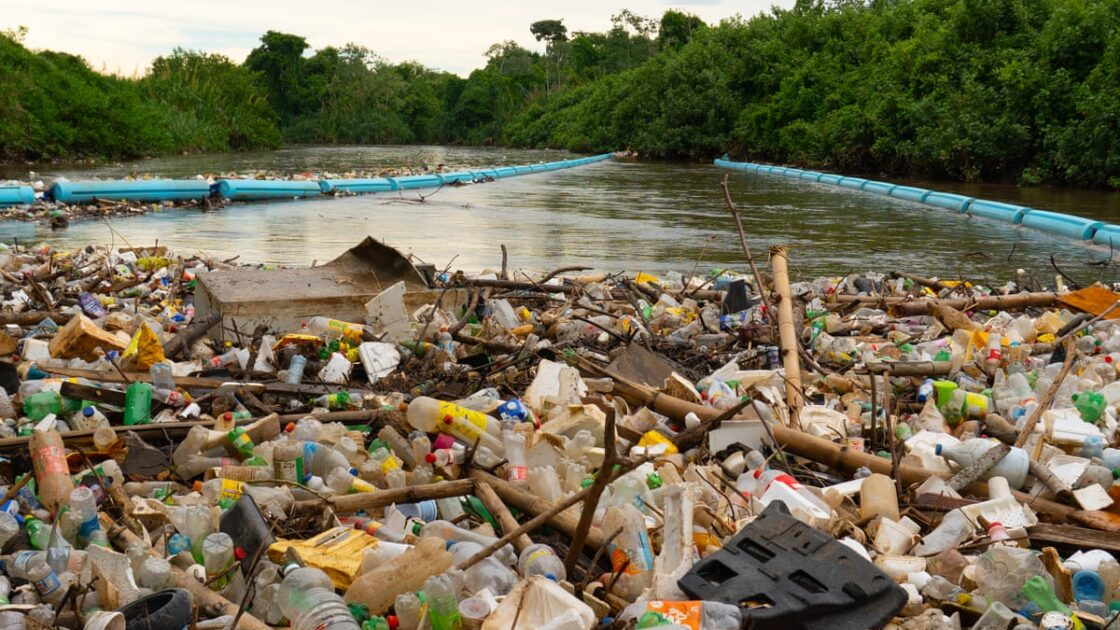
The pollution has devastated local ecosystems, particularly along the Juan Díaz River. Rodolfo Rodríguez, a representative of the Parque Lefevre community board, explained to The Guardian that the area is of high ecological significance, serving as a habitat for migratory shorebirds and marine life. However, the accumulation of plastic and other debris is causing a decline in local wildlife populations.
Recognizing the severity of the situation, President José Raúl Mulino announced an urgent intervention in San Miguelito last December, warning of a potential health crisis. Environment minister Juan Carlos Navarro stated that the government is working to bring the situation under control, acknowledging that decades of inaction regarding river pollution have left the city struggling to provide a healthy environment for its citizens.
Seeking Long-Term Solutions
Environmental organizations are playing a crucial role in addressing the crisis. The Siete Cuencas project, a partnership between the NGO Marea Verde and the Ocean Cleanup, has installed floating barriers on city rivers to prevent waste from reaching the ocean. James Patterson, the Ocean Cleanup’s project manager, noted that while these barriers are effective, they are only a temporary measure. “We’re trying to turn off that tap into the oceans,” Patterson said.
In some areas, these interventions have already yielded results. Residents in Puente del Rey, such as a local woman named Liska, reported that the installation of a river barrier has successfully prevented the flooding that previously plagued their homes during the rainy season.
Changing Mindsets and Future Outlook
Beyond physical infrastructure, there is a push to change public behavior through education. Mirei Endara de Heras, president of Marea Verde, emphasized that the crisis is a result of systemic inequality and a failure to value the urban environment. Her organization operates La Casa de Wanda, an educational center that has hosted thousands of students to teach them about recycling and the circular economy.
Local schools are also participating in these efforts. At the Santa Librada school, teachers have observed a growing interest in recycling among students. Additionally, the local government, led by Mayor Irma Hernández, has begun transforming former illegal dumping grounds into public parks. Despite these efforts, challenges remain; some residents, accustomed to decades of unreliable collection services, remain skeptical and continue to dump waste in public spaces.