Table of Contents
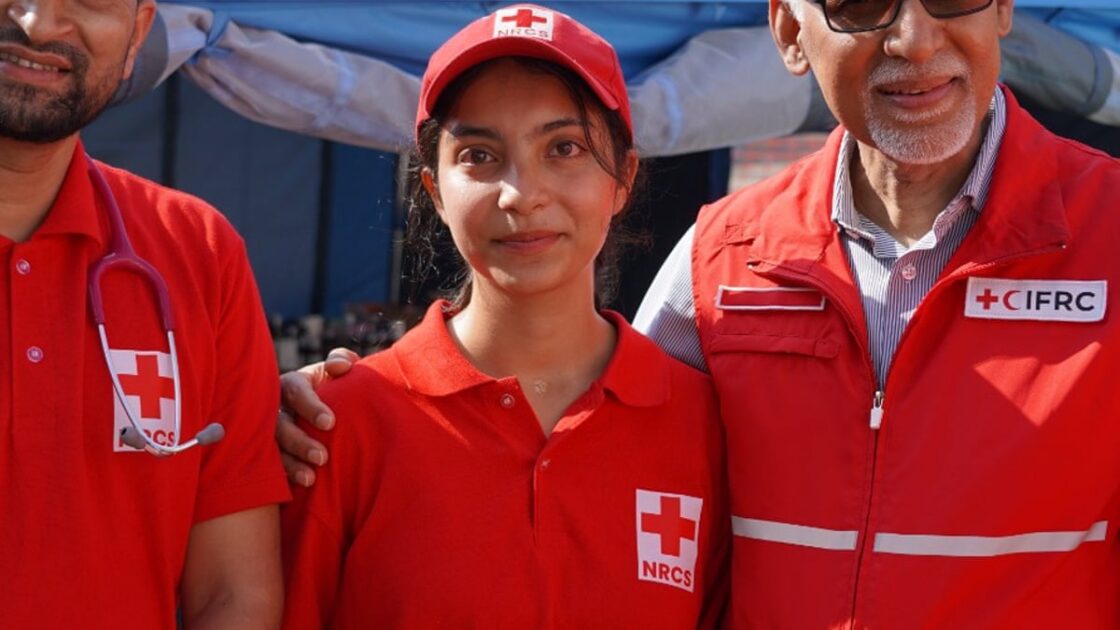
Isha Rimal, a 17-year-old Red Cross volunteer from Bidur, Nepal, recently shared her harrowing experience surviving a catastrophic flood triggered by a glacier collapse. The disaster, which occurred this summer, destroyed homes and claimed the lives of several of her friends, fundamentally altering her perspective on her future and the global climate crisis.
The Day the Glacier Collapsed
The event began around 9 a.m. when Rimal felt her home shaking. Initially fearing an earthquake, she received an urgent call from her mother, who worked at a nearby college, instructing her to flee immediately. Rimal recalled that while she ran toward the college, many others were heading in the opposite direction toward the river, unaware of the impending danger. She noted that the river, which had been a peaceful part of her childhood, had suddenly become a source of terror.
Upon reaching the college, Rimal found her mother in distress, as the flood had disrupted communication and threatened the school where her younger siblings were located. While the police had ordered an evacuation of the school, the limited number of buses forced many students to run for their lives. Rimal’s sister was eventually located by a relative on a motorbike, while her brother managed to reach high ground with the help of foreigners.
The Aftermath and Recovery
Following the disaster, the community faced severe infrastructure damage, including the destruction of two hydropower plants and the loss of electricity and phone signals. Rimal described the scene as chaotic, marked by the smell of debris and the constant noise of rescue helicopters. The trauma was compounded by subsequent flooding and false alarms that led to further evacuations and instances of looting.
When Rimal finally visited the affected areas weeks later, she was shocked to find that familiar landmarks, including a temple and local markets, had been completely destroyed. Motivated to help her community, she began volunteering with the Red Cross. She initially assisted in an emergency clinic pharmacy, providing medicine to those unable to reach the Trishuli hospital due to a destroyed bridge. Later, she joined a sanitation team, educating residents on water purification and hygiene to prevent the spread of disease from contaminated water sources.
A New Purpose
The disaster has shifted Rimal’s career aspirations. Previously planning to study neuroscience in the United States, she is now determined to become a medical doctor in Nepal to support her people. She expressed frustration that many non-governmental organizations left the area shortly after the disaster, leaving long-term needs unmet.
Reflecting on the broader implications of the event, Rimal emphasized that the Bhotekoshi flood demonstrated that climate change ignores national borders. She argued that while Nepal contributes minimally to global emissions, its citizens are forced to bear the brunt of the consequences. She called for global accountability, stating that the world must take climate issues seriously to prevent further destruction. Rimal plans to continue her volunteer work until the end of December before beginning her medical school entrance exams in Kathmandu.