Table of Contents
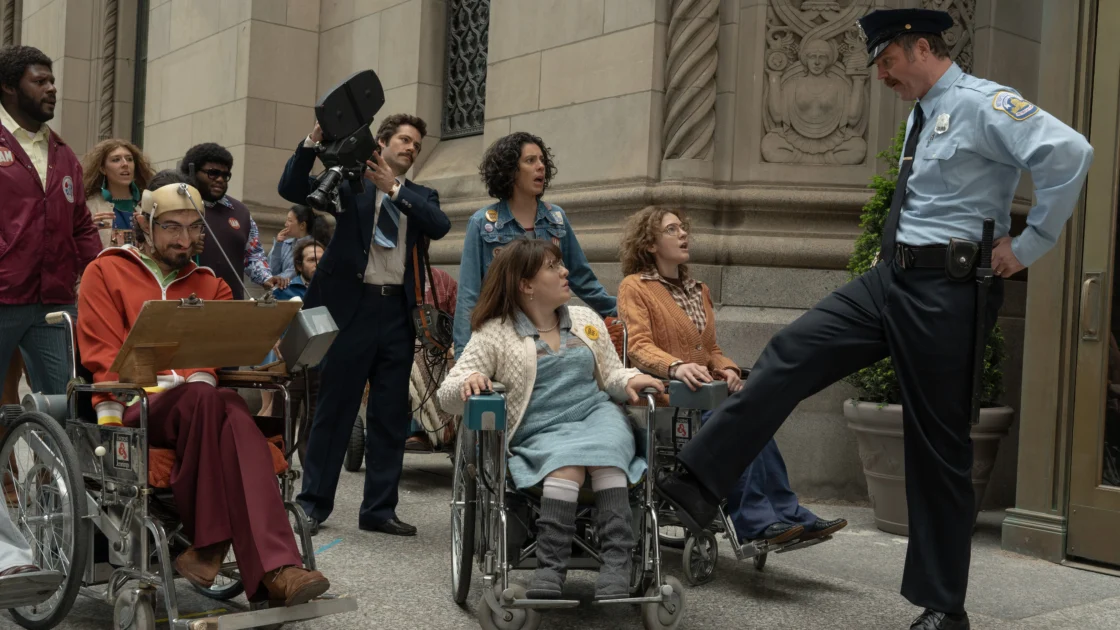
A new biographical film, Being Heumann, brings renewed attention to the historical achievements of disability rights advocate Judy Heumann. Released in theaters and streaming on Apple TV, the movie from Oscar-winning director Sian Heder highlights the Brooklyn activist who spent decades securing fundamental civil protections for disabled Americans.
The film arrives at a time when contemporary activists report facing renewed efforts to dismantle the legal frameworks Heumann helped build before her death in 2023. Members of the younger generation of disability advocates say her historical fights remain directly relevant to their ongoing work.
The Historical Push for Federal Protections
Before Congress enacted the landmark Americans with Disabilities Act (ADA) in 1990, federal protection for disabled individuals relied heavily on Section 504 of the Rehabilitation Act of 1973. While the statute guaranteed non-discrimination in public life and employment, the federal government spent years without issuing specific enforcement rules.
In the spring of 1977, Heumann and fellow activist Kitty Cone organized a protest to demand enforcement regulations. Protesters occupied the former Department of Health, Education and Welfare building in San Francisco for nearly a month, marking the longest sit-in at a federal facility in U.S. history. The demonstration succeeded in forcing federal officials to issue enforceable rules, creating accessibility standards for schools, libraries, and public institutions across the nation.
Former NPR correspondent Joe Shapiro, a long-time friend of Heumann, noted that she viewed disability barriers as societal shortcomings rather than personal limitations. He recalled that Heumann often remarked, “disability only becomes a tragedy for me when society fails to provide the things we need to lead our lives.”
Modern Activists Face New Legal Challenges
The legacy of that activist movement faces current legal headwinds. A federal judge recently agreed to remove mentions of “integration” for disabled individuals from Section 504 regulations, undoing key wording established five decades ago. Additionally, advocates point to administrative efforts that threaten to roll back existing disability protections.
In response to these policy challenges, activist Kaleigh Brendle established an advocacy organization named Judy’s League. “It is our job to carry on her legacy and keep that fire burning all these decades later,” Brendle told NPR.
Members of Judy’s League gathered for a viewing of Being Heumann to reflect on the parallels between the 1970s movement and current civil rights disputes. Activist Liam Holland observed during the discussion with NPR, “The very first line of the movie is Judy chanting ‘[Sign 504]!’ That gave me chills right away, because almost 50 years later, 504 is the exact reason we founded Judy’s League.”
Portrayal of Disability and Everyday Realities
Participants highlighted the film’s realistic depiction of disabled people as multidimensional individuals. Ellana Crew remarked on the authentic representation of the activists on screen, telling NPR, “They are laughing, they are swearing, they’re telling dirty jokes … That was one of my favorite things, honestly, it was just like, ‘OK, wow, I didn’t expect that to be in this movie.'” Crew added that societal attitudes driven by pity or perceived burden remain common among non-disabled individuals today.
Activist Cricket Bidleman observed that despite modern technological advancements, systemic discrimination remains a constant challenge. Holland emphasized how historical accomplishments like Section 504 directly shape daily living, noting that curb cuts installed after the 1977 sit-in allow wheelchair users to navigate public streets independently.
Addressing broader societal perspectives, Leigh White stressed that disabled individuals form the largest minority demographic in the country. White explained that fighting for accessibility benefits society as a whole, while expressing hope that current advocacy will prevent future generations of disabled youth from experiencing identical barriers.