The impacts of over-foraging natural spaces, particularly in protected areas, can damage habitats, a Devon charity has said. The Woodland Trust stated that unsustainable harvesting of plants, and fungi in particular, could put local wildlife under pressure.
Impact on Wildlife and Habitats
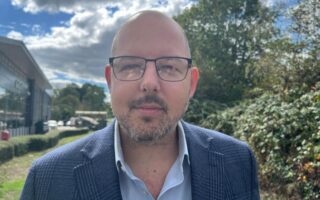
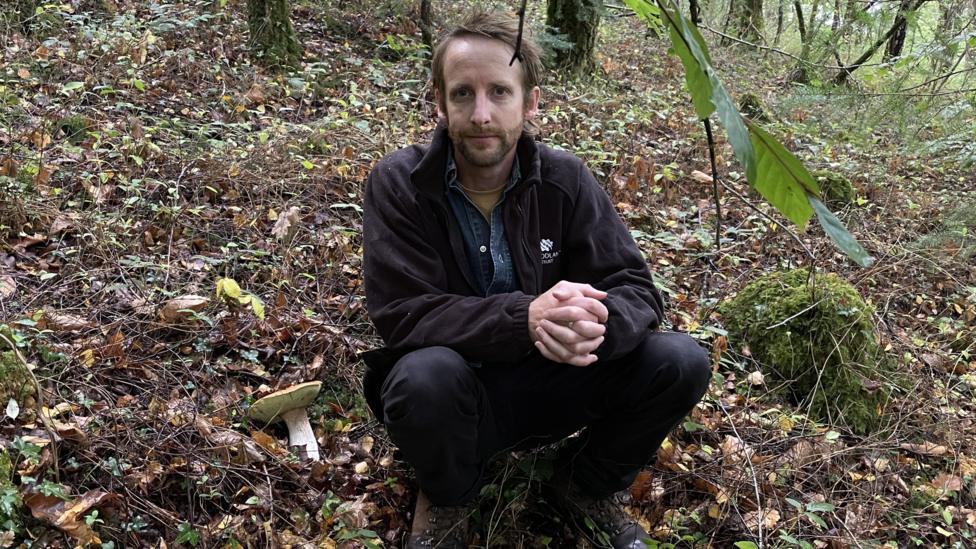
Joe Middleton, site manager for the Woodland Trust, as reported by BBC News, said he had observed commercial mushroom pickers “wiping out everything on the path edges they can find.” Middleton described seeing commercial pickers arriving in minibuses equipped with heavy-duty shopping bags, laden with mushrooms, while simultaneously trampling the forest floor.
While Section 4 of the Theft Act 1968 dictates that foraging for fruit, foliage, flowers, and fungi on any land is legal for personal use as long as the plants are wild, it constitutes criminal theft if done for commercial sale or reward without permission. Furthermore, entering private property without consent is a civil offence, and foraging is heavily restricted or prohibited in Sites of Special Scientific Interest (SSSIs) and protected Woodland Trust locations.
Middleton explained that autumn mushrooms serve as a vital food source for various animals, ranging from deer and badgers down to soil-dwelling organisms such as worms and woodlice. He warned that decimating the fungi population removes essential food sources for wildlife that depend on them and cannot simply relocate, urging people to act more sustainably.
Economic Factors and Responsible Practices
The trend of using local ingredients has grown increasingly fashionable on social media. John Dobson from the Refectory restaurant near Ugborough told BBC News that rising ingredient costs and high prices could be driving people to source items from alternative places, alongside a general lack of education regarding environmental impacts. Dobson noted that he practices responsible foraging by securing landowner permission and taking only a third of what he discovers.
Penzance-based forager, wild food guide, and Wild Walks South West founder Rachel Lambert also spoke to BBC News, stating that environmental impact remains a constant concern. Lambert emphasized that a fundamental guideline of foraging is considering other creatures in the area, advising people to take only what they need, select abundant items, and recognize that foraging requires time and mindfulness toward nature.
Middleton acknowledged that foraging offers a wonderful way to connect with nature, but suggested people enjoy woodlands without taking anything home. He encouraged visitors in the technological age to use their phones to take photographs and observe without touching, especially in protected environments.