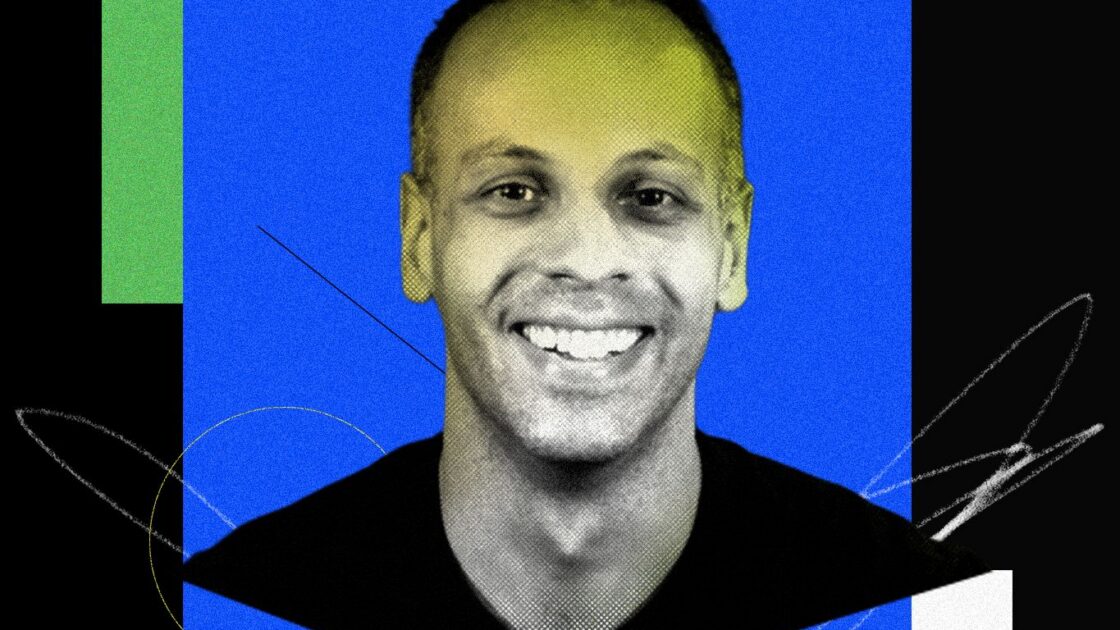
YouTuber and consumer rights advocate Louis Rossmann discusses the growing right-to-repair movement, corporate software locks, and the legal hurdles consumers face when trying to fix devices they own. In an interview with WIRED, Rossmann explains how manufacturers restrict device maintenance and why these hurdles extend far beyond smartphones to cars, appliances, and smart home technology.
The Expanding Battle Over Product Ownership
Manufacturers have placed software and hardware locks on various gadgets, making them difficult to modify or restore following firmware updates. Rossmann noted that companies frequently alter product functionality after the sale to generate extra revenue, citing thermostat manufacturers that required subscription fees for previously free features after going bankrupt. What began for Rossmann as an effort to fix Apple devices evolved into a broader campaign after he attended a 2017 legislative hearing in Nebraska and discovered farmers facing similar software roadblocks with tractors.
While some companies have introduced independent repair programs, critics argue the offerings remain superficial. Rossmann pointed to Samsung’s program, which required customers to buy glued-together screens and batteries priced higher than the resale value of older phone models. Farmers likewise continue to rely on unauthorized software workarounds to service their own agricultural equipment.
Overcoming Legal Barriers and Section 1201
A major obstacle for the movement is Section 1201 of the Digital Millennium Copyright Act, which makes it illegal to bypass digital locks on devices even for the purpose of repair. Rossmann argued that the law, originally enacted in the late 1990s to combat piracy, is routinely abused to strip consumers of ownership rights and block third-party repairs. To push back against these restrictions, Rossmann organized the Freedom from Unethical Limitations on Users (FULU) tour across US cities and initiated cash bounties for individuals who successfully hack and restore restricted hardware.
Advocates are now pushing for durable legislation to protect repair rights without requiring annual exemptions. Although economic pressures and political priorities often overshadow the issue, Rossmann remains encouraged that lawmakers are beginning to discuss the matter openly. He emphasizes that building public support and demonstrating voter interest remain essential to shifting policy.
Rossmann also sees potential in emerging artificial intelligence tools, such as Claude Code, which can help users strip bloatware from smart devices or bypass digital restrictions. However, he cautioned that reliance on cloud-based AI models could leave users vulnerable to corporate guardrails designed to block software modifications. Ultimately, Rossmann believes the movement relies heavily on personal narratives—such as saving irreplaceable data or avoiding exorbitant repair costs—to inspire broader public engagement.