Table of Contents
India’s most expensive film, a lavish two-part retelling of the Hindu epic Ramayana produced for a reported $500m (£370m), has opened in cinemas worldwide to enormous expectations and mixed reviews. Directed by Nitesh Tiwari, Ramayana: Rise of a Legend unites major Indian stars, Hollywood visual-effects expertise, and two Oscar-winning composers to present the revered story to a global audience.
Plot, Production, and Star-Studded Cast
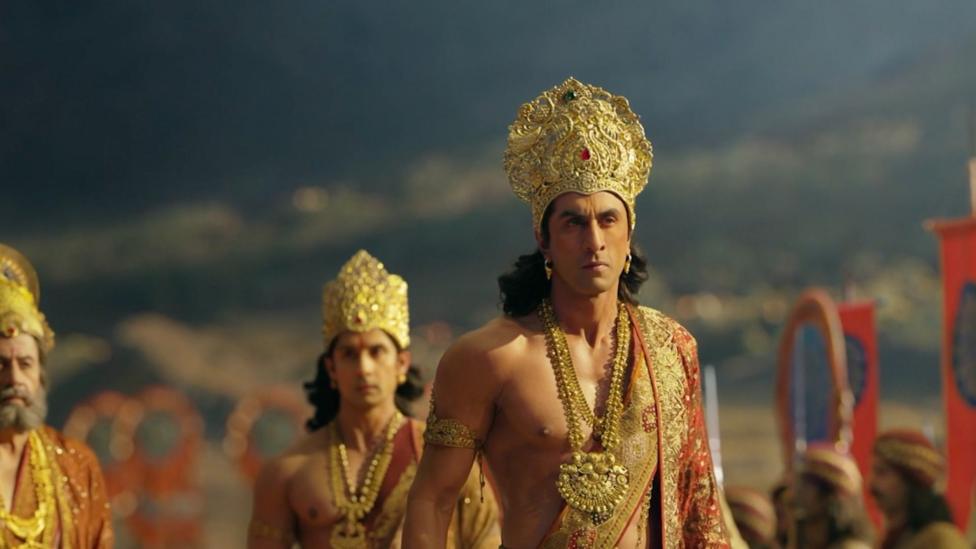
The narrative revisits the themes of love, duty, exile, and war involving gods, demons, and celestial weapons. Ranbir Kapoor portrays Lord Ram, the virtuous prince of Ayodhya who retreats to the forest for 14 years after being banished, alongside Sai Pallavi as his wife, Sita. Sita is subsequently kidnapped by Ravana, a powerful 10-headed king of Lanka played by southern Indian star Yash, setting up a major conflict for the second part of the film slated for release next year.
Producer Namit Malhotra leads visual-effects firm DNEG, known for Hollywood blockbusters including Dune and Interstellar. The musical score is a collaboration between Indian composer AR Rahman and Hollywood composer Hans Zimmer. The release coincides with Diwali, the Hindu festival of lights celebrating Ram’s return to Ayodhya.
Critical Reactions and International Reception
Reviews from critics have been divided. NDTV channel’s Saibal Chatterjee awarded the film three out of five stars, stating that the visual spectacle overshadowed the story and acting that remained inconsistent. Conversely, Rishabh Suri of the Hindustan Times gave it four stars, praising the high production value and performances while noting a sluggish first half. The Indian Express critic Shubhra Gupta also awarded three stars, finding herself won over by the spectacle and adventure despite initial doubts.
International response followed a similar pattern. The Guardian reviewer Peter Bradshaw awarded four stars, describing it as an engaging and spectacular epic melodrama with echoes of Shakespeare and Homer. However, Siddhant Adlakha of IGN scored the film four out of ten, criticizing the action and computer-generated imagery. Giovanni Lago of Next Best Picture gave it five out of ten, praising the performances and score but suggesting the narrative might have suited a television series format.
Criticism also arose over the use of artificial intelligence to adjust actors’ lip movements for the English-language version to improve international accessibility. Adlakha compared the resulting visual effect unfavorably to exaggerated mouth movements on still images.
Comparison to Past Adaptations and Cultural Context
In India, comparisons arose with earlier adaptations, particularly Ramanand Sagar’s 1987 television series Ramayan, which drew massive viewership and devotional reactions across the country. Arun Govil, who portrayed Ram in the original series, returns in Tiwari’s production in the role of Ram’s father, Dasharatha. Other past versions include the 1992 Indo-Japanese animated film Ramayana: The Legend of Prince Rama.
The release arrives during a politically charged period in India where Ram serves as a symbol of Hindu identity, and previous retellings, such as the 2023 film Adipurush, faced controversy and backlash over religious representation and creative choices.
Lead actor Ranbir Kapoor told the BBC Asian Network’s Haroon Rashid that he felt fearful and doubted his ability to do justice to the role, noting that portraying a revered figure limited his usual creative freedom. Sai Pallavi described playing Sita as a spiritual and personal growth experience.
Audience reactions will determine the ultimate reception as viewers continue heading to cinemas across the globe.