In a simple apartment in western India, a young digital creator spent nights editing videos and designing political posters for William Ruto’s 2022 presidential campaign in Kenya. The content was distributed through unverified social media accounts designed to conceal their origin while supporting the campaign, illustrating a growing global industry of Indian political consultants working on international elections.
Global Footprint and the US Midterms
As the United States approaches its midterm elections, researchers have discovered Indian social media bots and accounts shadow-posting videos to support specific candidates. The New York Times reported that such posts backed US Democratic politician Haley Stevens ahead of the August 4 Senate primary in Michigan, which she lost to Abdul El-Sayed.
According to an anonymous group of disinformation researchers called Antibot4Navalny, at least 28 accounts on X shared videos supporting Stevens’s campaign, generating over seven million views. Al Jazeera found that at least 15 of these identified accounts posted from India, a finding also supported by researchers at Clemson University’s Media Forensic Hub.
Nearly a dozen Indian political consultants who spoke with Al Jazeera stated that these shadow campaigns operate without limits or red lines. Tushar Giri, a New Delhi-based consultant, stated that electoral democracy is heavily manipulated and voters lack free will.
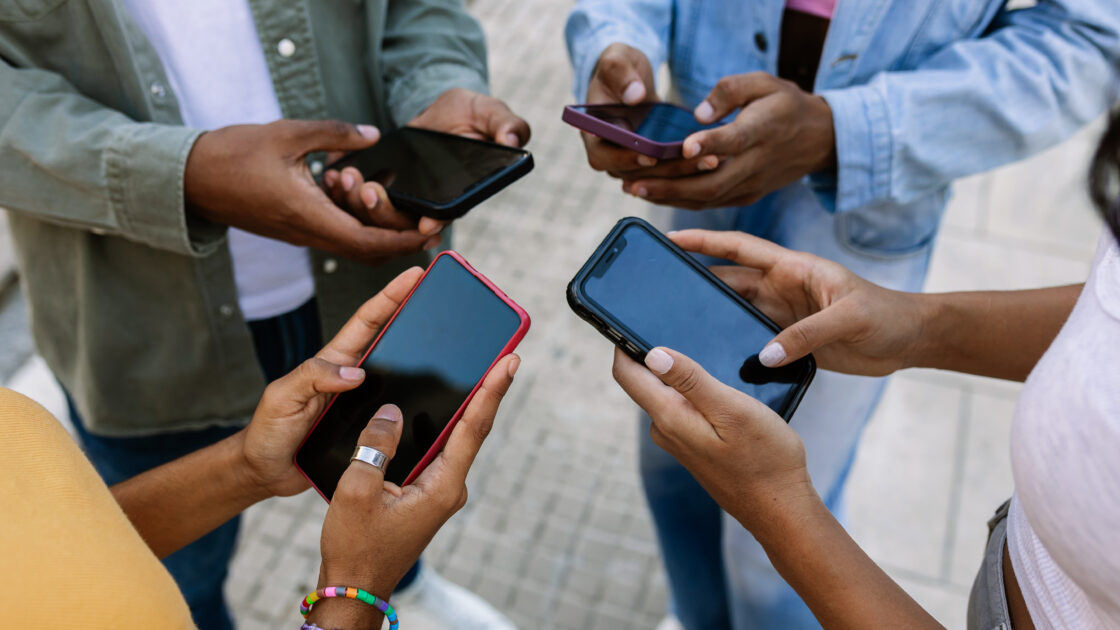
Specialized companies selling political persuasion emerged in the United States during the 1930s, but social media has expanded these tactics globally. Political consultancies often run targeted advertising campaigns on Meta and Google to reach millions of voters, utilizing established shadow pages, newly created accounts, or pages for hire.
An Al Jazeera investigation ahead of India’s 2024 national election uncovered a vast network of such pages on Facebook, Instagram, and YouTube. Amogh Dhar Sharma, author of Backstage of Democracy, noted that political consultancies create hidden sources of power in a democracy that raise significant ethical concerns.
Operations and Covert Financing
Indian political consultancies frequently bypass platform rules set by Meta and Google regarding authentic identities and transparent political advertising. Consultants told Al Jazeera that they exploit loopholes, utilize premium virtual private networks, or change an account’s country of origin to run targeted political ads from abroad.
Sharma’s research found Indian consultancies operating in Australia and Germany, while consultants reported working in Nepal, Sri Lanka, and Suriname. For the 2022 Kenyan election, content creator Rajan Kumar earned $7 a day to produce up to 100 posts daily via Telegram, deliberately cutting opponent speeches and fabricating claims.
The work carries severe risks. Two Indian consultants working on Ruto’s campaign, Zulfiqar Ahmad Khan and Mohamed Zaid Sami Kidwai, went missing in Nairobi in July 2022 and were later found dead. Although 15 police officers were accused of murder, Kenya’s High Court terminated the charges in August 2026 after the prosecution requested a discontinuance.
Payments for these shadow services often involve illicit funds. Consultants explained that black money remains a pillar of the industry, utilizing foreign front companies or informal hawala money-transfer networks. Some transactions relied on physical cash exchanges in New Delhi’s Chandni Chowk market using specific banknote serial numbers as verification codes.
Consultants like Giri described India as a wholesale market for outsourced political manipulation, comparing it to the country’s business-process outsourcing industry. Sharma added that the physical distance between creators and campaigns provides plausible deniability, while Giri emphasized that agencies willing to employ dirty tactics are rewarded with higher pay and new opportunities.