Table of Contents
As Americans prepare to vote in the US midterm elections, candidates running for Congress are competing on more than just policy platforms. In the social media era, politicians are utilizing their personal style to attract attention and project their messages, making clothing a measure of authenticity and appeal.
Celebrity fashion stylist Joe Zee explained that politicians are dressing for two jobs simultaneously, aiming to look capable of holding office while remaining connected to the people they represent.
Dressing like their state
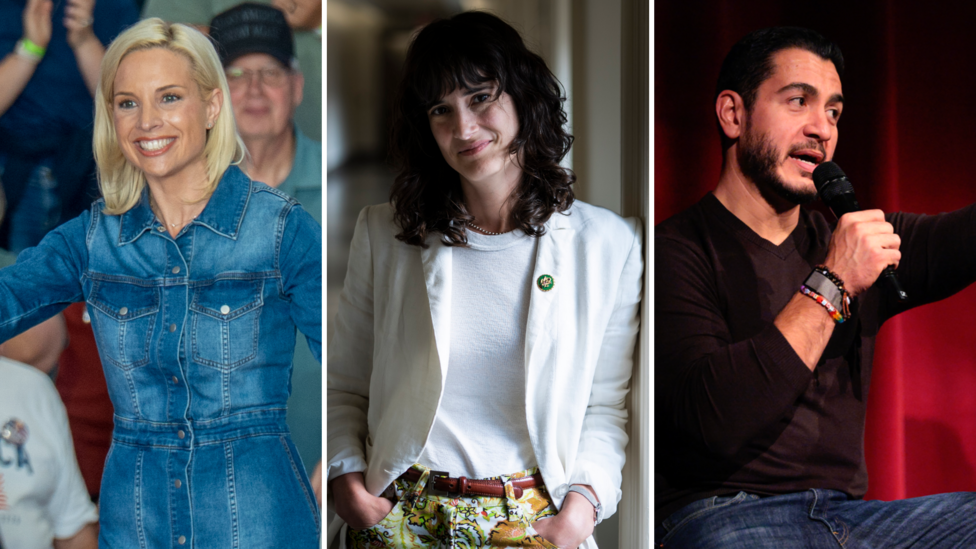
Several candidates are embracing relaxed, outdoorsy images that reflect their geographic roots. Democrat Marie Gluesenkamp Perez, representing Washington’s 3rd Congressional District, favours low-key work jackets, flannel shirts, jeans, and practical footwear.
Robert Ordway, a conservative public policy adviser and former clothing store owner, stated that Gluesenkamp Perez is particularly authentic to her background. Tashira Halyard, a Washington DC-based attorney and content creator, added that her style champions the working class and fits the Pacific Northwest aesthetic.
Democratic lawmaker Mary Peltola, running for a Senate seat in Alaska, adopts a similar approach. She gained attention for wearing traditional Yup’ik boots during her 2022 swearing-in ceremony. During the current election cycle, her rugged outdoor gear aligns with her campaign slogan of fish, family, and freedom, and her background working on an Alaskan fishing boat.
Conservative author Bonnie Kristian noted that these clothing choices remind voters of Peltola’s native Alaskan background.
Patriotism on their sleeves
Other candidates are opting for bolder, patriotic imagery. Republican Senate candidate Ashley Hinson of Iowa has maintained a polished yet nostalgic style featuring denim and bandanas for casual appearances.
At a primary election party in Iowa, Hinson wore pumps bedazzled with the American flag. Halyard described the look as classic Americana, noting that the candidate is literally wearing her patriotism on her sleeve.
Kristian pointed out the strategic advantage of this visual identity, stating that her denim dress, red bandana, and sparkly flag shoes clearly signal her appeal to rural Republican voters.
Tie off, cowboy boots on
In Texas, a competitive race between prosecutor Ken Paxton and state lawmaker James Talarico has seen both candidates adopting similar wardrobe choices, including relaxed blazers and cowboy boots.
Ordway noted that the necktie is no longer common on the campaign trail for either political party, with younger men dressing up to appear serious and older men dressing down to blend in with voters.
Fashion critic Friedman highlighted that Talarico’s handcrafted Lucchese cowboy boots allow him to connect with diverse constituencies in the state. Meanwhile, Paxton faced criticism from his opponent for wearing an expensive watch and a polo shirt from the Four Seasons hotel chain while the high cost of living remains a central debate.
Zee explained that luxury-branded casual clothes can carry strong wealth associations just as clearly as a traditional suit, which can complicate a candidate’s message.
Personal uniforms
Friedman stated that a consistent personal uniform serves as an effective tool for national recognition. Republican Senator Marsha Blackburn of Tennessee maintains a timeless appearance featuring structured jackets, patterned skirts, and pearls.
Conversely, Michigan Democratic Senate candidate Abdul El-Sayed wears a consistent black V-neck T-shirt and blue jeans. Ordway compared the look to a startup entrepreneur appealing to working-class urban voters, while Zee noted that the plain attire removes political ceremony and emphasizes the candidate’s words, though un-styled clothing remains a deliberate branding choice.
Friedman observed that Donald Trump remains the master of political branding through attire, noting that his recognizable power suit and red tie have influenced cabinet members and senators alike.
Friedman expects politicians to continue utilizing clothing for personal branding in future elections as social media and television place an increasing premium on visual messaging.