Table of Contents
The iconic international song contest Eurovision is expanding to Asia for the first time, celebrating its 70th anniversary by holding its inaugural grand final in Bangkok. The European Broadcasting Union is bringing the long-running television format to the region, starting with a competition featuring 11 participating nations.
A New Concept for Asian Audiences
Adapting the popular European format to Asia presents distinct challenges due to different cultural expectations around music competitions. According to Sarun ‘Note’ Kungbunpot, a Thai singer and Eurovision enthusiast, regional contests typically focus on individual artists and popularity rather than the song itself. Furthermore, while Eurovision has been an indelible part of European cultural heritage since its inception in 1956, it arrives in Asia during the digital age when traditional television formats face stiff competition.
Only 11 countries are taking part in the debut contest: host Thailand, Malaysia, the Philippines, Vietnam, Cambodia, Laos, South Korea, Mongolia, Bangladesh, Nepal, and Bhutan. Major Asian economies such as India, China, Japan, and Indonesia are absent, though negotiations are underway for potential inclusion in future events.
Logistical Hurdles and Voting Rules
Organisers faced unexpected obstacles ahead of the final, including a million-dollar budget cut three weeks prior that prevented experienced technical staff from travelling to Thailand, alongside several staff resignations. These issues drew criticism from dedicated fans who monitored rehearsal footage for audio and lighting flaws.
The contest employs the traditional Eurovision voting system, combining 50% public votes and 50% national juries from the participating countries, alongside a 12th “rest of the world” category. Viewers receive eight votes upon registration but cannot vote for their own nation and must distribute votes to at least three different acts. While political tensions could influence voting patterns, the format offers significant global exposure for smaller participants.
For Bhutan’s representative, 24-year-old Thukten Nyendra, who had never left his country before travelling to Bangkok, the event is a rare opportunity. “Nobody knows me. But Eurovision has given me a huge platform. Actually winning would mean the world to us,” he told BBC News.
Contestants Prepare Striking Stage Acts
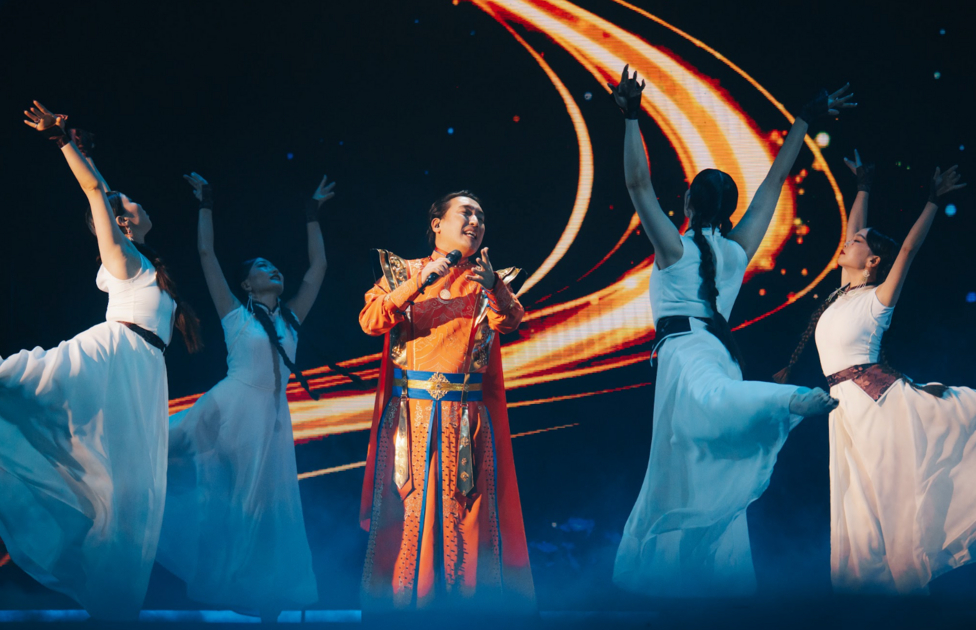
Following Eurovision rules limiting songs to three minutes with a maximum of six people on stage and recorded backing music, performers have crafted elaborate staging. Acts range from Vietnamese singer Tóc Tiên’s complex choreography and Lao contestant Thinla adopting hill-tribe attire, to an a cappella performance by Bangladeshi group Beatmosphere and 19-year-old Filipina singer Carmelle Collado’s empowering entry.
Because the brand lacks prior awareness in the region, several finalists are already established stars in their home countries. Malaysian singer Aina Abdul, known for her vocal range and dramatic costumes, enters with a song inspired by her late cat, featuring a glistening dress created by designer Melinda Looi that took 600 hours to complete.
Organizers hope a successful event in Bangkok will pave the way for a broader expansion of the Eurovision brand across Asia.