Table of Contents
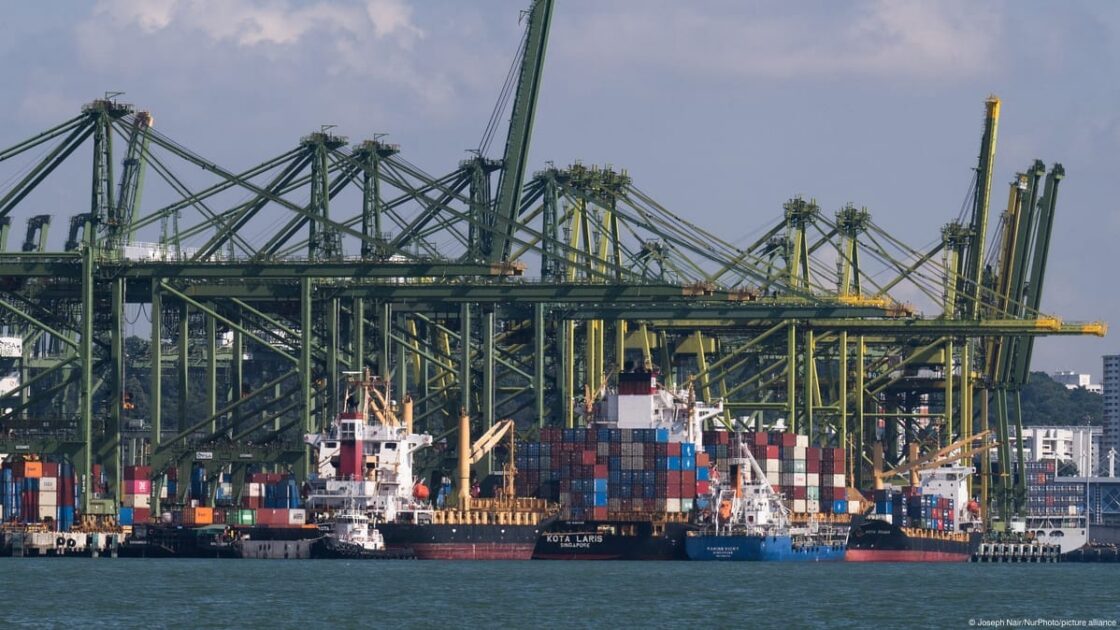
The European Union and the Association of Southeast Asian Nations could reach a milestone in 2027 as they mark 50 years of diplomatic ties. A trade agreement with Indonesia is expected to take effect, a deal with the Philippines is nearing completion, and talks with Thailand and Malaysia are progressing.
Expanding Trade and Informal Barriers
By the end of next year, the EU could hold trade agreements with six Southeast Asian nations, compared to only two today, potentially reviving the long-term goal of a broad region-to-region trade pact. On November 17, the European Commission hosted a dialogue in Brussels to evaluate trade relations and discuss ongoing free trade agreement negotiations.
However, experts emphasize that signing agreements is only the first step. Chris Humphrey, executive director of the EU-ASEAN Business Council, told Deutsche Welle that free trade agreements reduce tariffs, but businesses struggle if they do not know how to utilize them. Humphrey noted that communication and training remain vital.
According to Humphrey, Brussels must focus on less visible obstacles such as cutting customs delays, simplifying regulations, and helping smaller European firms enter Southeast Asian markets. Alfred Gerstl, an associate professor at Palacky University Olomouc in the Czech Republic, told Deutsche Welle that European companies inexperienced in the region need practical guidance regarding informal business practices and unwritten local rules.
Suggested solutions include expanding support from European chambers of commerce, trade delegations, and EU offices to help firms find distributors and navigate licensing requirements. Camille Nessel, a researcher at the Universite Libre de Bruxelles, told Deutsche Welle that sustained pressure from Brussels has improved market access for European pharmaceutical firms in Vietnam, while engagement with Indonesia addresses import restrictions and halal certification requirements.
Geopolitics and Investment Protection
Trade policy also serves a geopolitical function for Brussels, though Nessel pointed out that asking trade policy to reduce strategic dependencies requires clearly defined and achievable objectives. The EU aims to secure critical minerals for clean technologies, whereas Southeast Asian producers like Indonesia seek foreign investment to build domestic processing industries rather than merely export raw materials. While the EU and Indonesia previously clashed over nickel export restrictions, Nessel stated that European investment in processing facilities and clear environmental standards would benefit both parties.
Pasha Hsieh, a professor at Singapore Management University, told Deutsche Welle that Brussels should prioritize ratifying investment protection agreements with Singapore and Vietnam signed in 2018 and 2019, which still require approval from all EU member states. These delays highlight the need to follow through on commitments, Hsieh noted, especially as the EU looks to develop investment protocols in other nations where firms face legal uncertainties, such as Indonesia terminating numerous bilateral investment treaties.
Regional Ambitions and Future Steps
Discussions continue over whether to pursue bilateral pacts or revive a region-to-region agreement with ASEAN, after negotiations started in 2007 were suspended and later resumed in technical talks in 2017. Meanwhile, ASEAN maintains regional agreements with other economies, including China’s upgraded free trade agreement in October 2025.
Humphrey called for negotiations on a region-to-region Digital Trade Agreement and Investment Protection Agreement, pointing to the EU-Singapore Digital Trade Agreement from February 2026 as a potential model. Gerstl cautioned that while the 2027 anniversary offers a useful deadline, officials must avoid letting momentum fade after the diplomatic summit in Singapore.