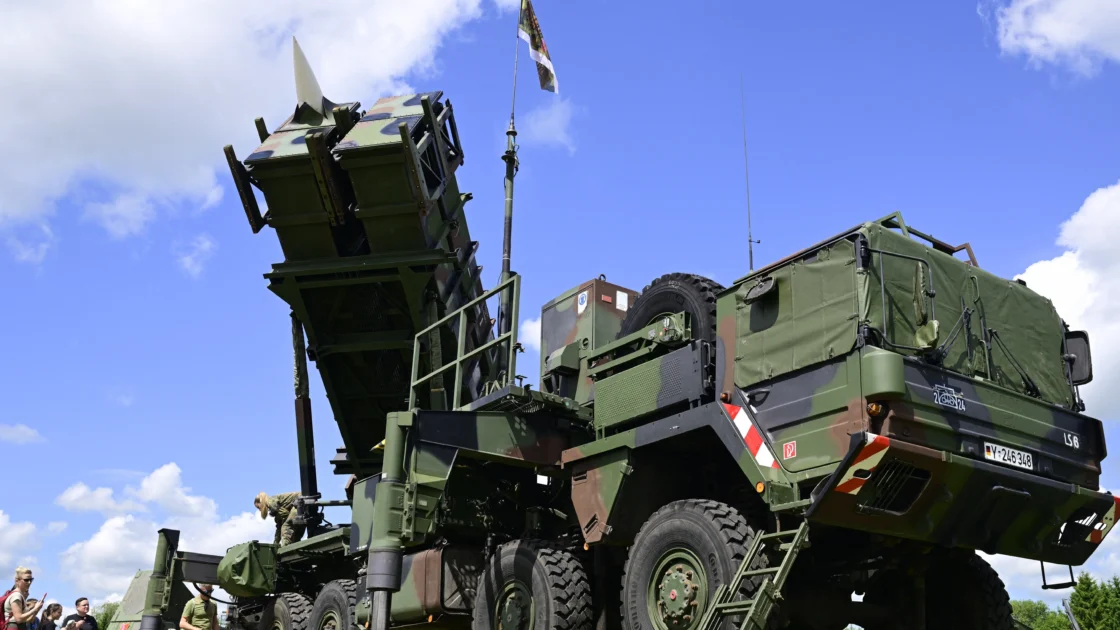
Over the past decade, European nations have grown increasingly reliant on U.S. technology to support their air defense systems, including fighter jets and missile defense systems like the Patriot. While buying American equipment initially seemed like an obvious choice that ensured high quality, availability, and transatlantic commitment, a growing backlog of missiles and rising demand have exposed vulnerabilities in this strategy.
The Defense Backlog and Supply Challenges
The assumption that American defense technology is readily available has been challenged by major delivery delays and surging demand. As reported by Bruegel, these bottlenecks stem from both production delays and the United States’ own military needs, such as its involvement in the conflict regarding Iran. Furthermore, European countries that invested in systems like the Patriot are now locked into American equipment and cannot easily switch suppliers to acquire replacement missiles.
This reliance leaves European nations vulnerable to defense contract delays and higher costs precisely as security threats from Russia continue to loom large. According to the Bruegel analysis, European countries missed an opportunity back in 2022 to invest in homegrown systems, noting that “Calls to Europeanise the funding and ordering of air defense systems were ignored and the strategic gap is now all too visible.”
Reframing Transatlantic Dependence
Weighing in on the issue, business journalist Paddy Hirsch noted that while few could have predicted the extent of Donald Trump’s impact on the U.S.-Europe relationship, Trump is not the first American president to criticize European over-dependence. However, he is the first to truly force the issue by compelling Europe to rethink its security stance.
Hirsch explained that Europe needs to wean itself off U.S. defense reliance not only because of the unpredictability of presidential whims, but also due to the uncertainty of how U.S. and European interests might diverge in the coming decades.