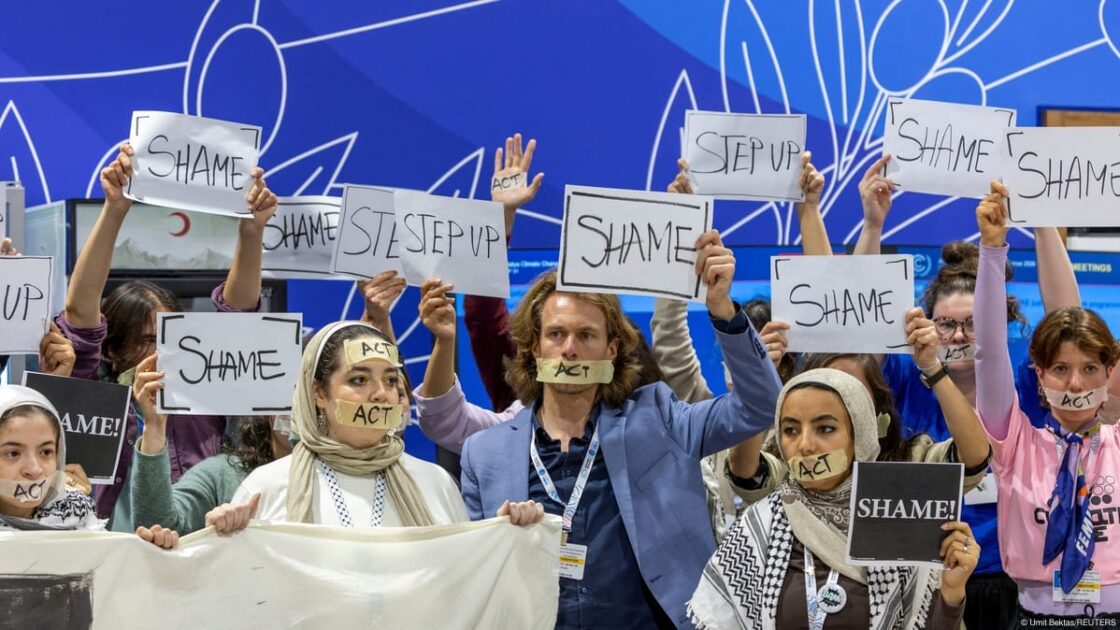
Climate negotiations in the Turkish city of Antalya have collapsed after nearly two days of overtime. A coalition of nations led by the European Union rejected a proposed agreement that critics argued undermined global efforts to move away from fossil fuels.
Breakdown Over Fossil Fuels and Climate Finance
Following two weeks of intensive discussions, the EU stated it could not support the draft agreement, known as the Antalya Pact, because it failed to address the science adequately. Irish climate minister Darragh O’Brien, speaking on behalf of the EU, stated that adopting a decision omitting fossil fuels was unconscionable and risked deepening the divide between global commitments and necessary action. Panama also rejected the deal as a step backward, asserting that any agreement must acknowledge collective failures regarding the 1.5 degrees Celsius threshold set by the 2015 Paris Agreement. The Marshall Islands formally objected to the cover decision, emphasizing that they would not compromise their future for fossil fuel interests.
Conversely, Russia supported the omission of language accelerating the phaseout of fossil fuels, maintaining that they remain a necessary power source and that individual nations should determine their own emissions reduction pathways. Pakistan and Ghana defended the agreement as a necessary compromise. Meanwhile, developing nations blamed wealthier countries, particularly the EU, for failing to scale up financial support to help vulnerable states adapt to climate extremes. Harjeet Singh of the Fill the Fund campaign criticized wealthy nations for demanding climate ambition while refusing to provide adequate funding. The rejected cover decision had proposed discussions on tripling adaptation finance by 2035 without committing to a specific figure, noting that developing countries require roughly $300 billion annually for adaptation.
Electrification Pledges and Temperature Overshoot
Outside formal negotiations, a separate initiative to Transition Away from Fossil Fuels gained momentum among several nations. Tuvalu minister Maina Talia noted that the initiative was moving beyond mere text mentions to detailed transformation plans. A rejected provision in the cover decision called for increasing electricity’s share in final energy demand from 20% to 35% by 2035. Approximately 75 nations, including China, adopted this electrification pledge outside formal talks, though critics pointed out the non-binding pledge does not specify clean energy sources, leaving room for fossil fuel expansion.
The Antalya summit marked the first COP held under the explicit knowledge that global temperatures will exceed 1.5 degrees Celsius above pre-industrial levels. The draft decision urged states to commit to limiting this overshoot, recognizing that additional warming brings irreversible risks. Debates also emerged around carbon capture and storage technologies, with the draft targeting gigaton-scale deployment by 2035. While scientists view carbon removal as necessary, critics like Vanuatu climate minister Ralph Regenvanu argued that carbon capture receives unwarranted attention and risks enabling continued fossil fuel use.
Ethiopian foreign minister Gedion Timothewos, whose country will preside over COP32, stated that Ethiopia aims to restore trust and mobilize collective action at the next summit in Addis Ababa in 2027.