Table of Contents
A growing number of college graduates are shifting toward skilled trades like electrical work in search of job security, higher earnings, and stable benefits. As artificial intelligence disrupts traditional career paths and college costs continue to rise, training programs are seeing an influx of degree holders.
A New Path in Columbus
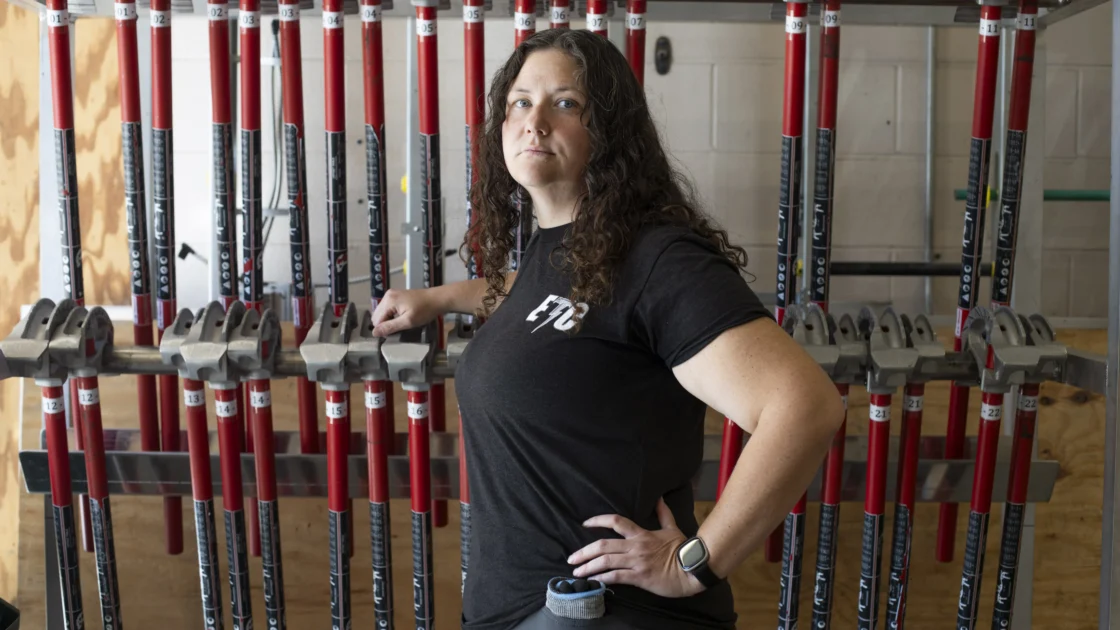
At The Electrical Trades Center of Central Ohio, located a few miles south of The Ohio State University, 36-year-old college graduate Ashley Baukman spends her class days bending steel tubing with a manual foot pedal and her own strength. Baukman started the apprenticeship program in the spring, attending classes one day every two weeks while spending the rest of her time working on construction sites under the supervision of journeymen electricians, as reported by NPR.
As the first person in her family to graduate from college, Baukman initially believed she was doing things the right way. Instead of the social work career she trained for, she is now earning over $25 an hour as an apprentice, with her wages set to nearly double in just over three years. Baukman notes that the work offers a tangible sense of accomplishment when a project is completed.
Rising Demand and Changing Perceptions
Driven by a construction boom that includes data centers, enrollment at The Electrical Trades Center has grown from 500 apprentices in 2022 to more than 800. The center now holds daytime classes rather than operating solely at night to accommodate the expansion. Trent Parker, the center’s director and an electrician himself, states that several dozen enrolled apprentices hold four-year degrees, and roughly 300 applicants have some college education on their resumes.
Parker recalls a time 16 years ago when a high school vice principal thanked him for recruiting students who were struggling academically, reflecting past social stigma around vocational paths. Today, Parker emphasizes that the program seeks high performers because the curriculum involves college-level coursework, noting that conduit bending relies on trigonometry and fractions. In 2023, Ohio’s governor signed a law requiring licensed school counselors to visit training centers to learn about apprenticeship careers, helping shift the traditional “college or bust” mindset.
Financial Realities and Career Pivots
Many college graduates entering the program share a common frustration regarding low pay in their previous fields. Baukman worked in local government agencies and schools with children and seniors, but with five children at home and roughly $80,000 in student loans, she could not afford to pursue a master’s degree to become a school social worker.
Mike Hansen, a 39-year-old military veteran and participant in the apprenticeship, previously completed 10 years in the Army, earned a master’s degree, and pursued a doctoral degree in sport and performance psychology before leaving academia. He watched peers working 40 hours of teaching for $40,000 a year and now wishes he had considered the trades at age 17 instead of facing generational pressure to pursue university degrees. Another apprentice, Michael Hughes, majored in English with ambitions of writing for film and television before working for Geek Squad and eventually moving into electrical work.
Earnings and Benefits in the Field
Apprentices receive a guaranteed minimum hourly wage starting at $23, with built-in raises tied to hours worked that top out at $46 an hour. With commercial renovations, new construction, and data center buildouts, local electricians have access to abundant work and overtime opportunities that can push annual earnings past $100,000. Through union contracts, workers also secure retirement benefits and health insurance with no monthly premiums, a relief for participants like Harry Cekovich, an Ohio State graduate who previously worked as a massage therapist and bartender without health benefits.
The proliferation of data centers has heavily contributed to the demand for electricians, sparking mixed reactions among apprentices regarding their environmental impact, energy use, and connection to artificial intelligence. While some workers welcome the high-paying overtime tied to data center projects, others express reservations about utility consumption. Regardless of technological shifts, Hansen remains confident in the security of the profession, noting that artificial intelligence cannot physically wire a switch.