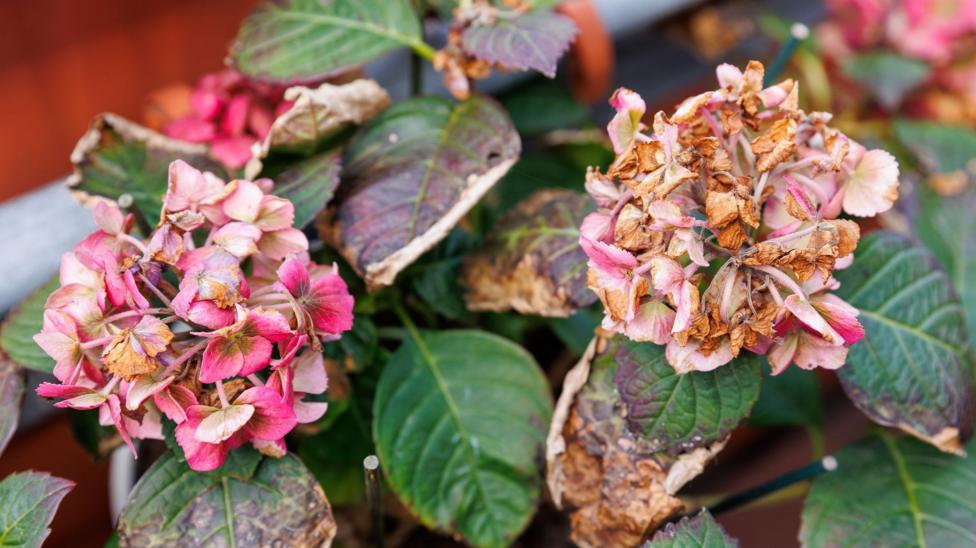
Gardeners in one of the most drought-affected areas of the UK are adapting their planting strategies to cope with increasingly extreme weather conditions. West Sussex experienced an unprecedented summer characterized by severe drought and record-breaking heatwaves that placed intense stress on traditional plant species, causing many to struggle or die entirely.
Impact on Local Gardens
Iain Parkinson, head of landscape and horticulture at Kew Wakehurst near Ardingly, stated that he has observed a significant shift in the climate during his four decades working at the location. He noted that trees have died as a result of the harsh conditions. Similarly, Elliot Chandler, a senior gardener at High Beeches near Haywards Heath, reported that certain rhododendrons perished this year and warned that such losses will likely persist. Chandler explained that while they will assist plants as much as possible, replacing non-surviving flora with different varieties is necessary to maintain the garden and keep it visually engaging.
Meanwhile, Joe Whelan, head gardener at Nymans in Handcross, cautioned that another consecutive year of drought could prove quite detrimental to larger and more mature trees.
Shifting to Diverse Species
To build climate resilience, the gardeners plan to introduce a greater diversity of species, looking toward plants originating from North America, southeastern Europe, central Asia, South Korea, and Japan as potentially better-suited alternatives for the future. Chandler explained that the transition will happen gradually over time with a diverse mix rather than removing old plants and introducing new species all at once. Whelan noted that forecasting future successes remains challenging, emphasizing that the process will involve experimentation and the acceptance that certain plants may not survive the changing conditions.