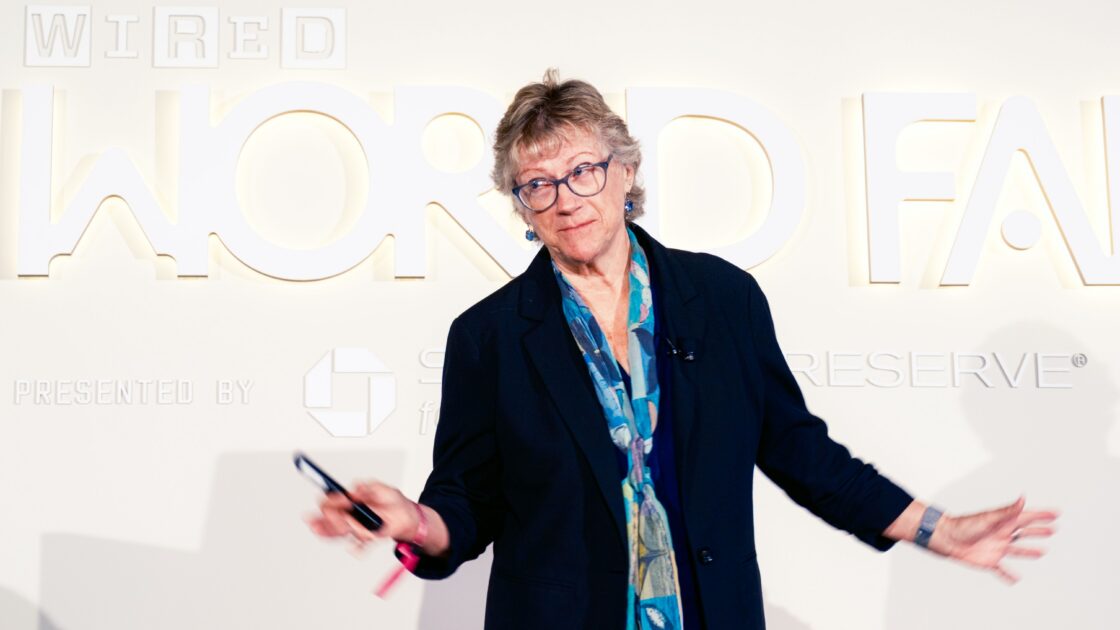
Artificial intelligence is helping researchers decode the communication of Atlantic spotted dolphins after decades of study. Denise Herzing, founder and director of the Wild Dolphin Project, first began exploring how marine mammals communicate during a 1985 research trip to the Bahamas. Speaking at the WIRED World Fair, Herzing explained that decades of collected audio and video footage are finally being analyzed with the help of AI experts from Georgia Tech and Google DeepMind to structure dolphin language.
Unlocking Patterns and Two-Way Communication
According to Herzing, AI serves as a powerful new tool to find patterns in massive amounts of data. Her research team has leveraged these advancements to attempt two-way communication by using an underwater wearable computer that plays artificial dolphin sounds. The system includes specific audio signals to represent objects like a scarf and habitats such as sargassum seaweed. Researchers model behaviors by playing the sounds to each other before observing how the dolphins respond.
Distinguishing actual communication from simple mimicry presents a significant hurdle in the wild. Herzing noted that labeling toys and playing whistles is very different from understanding the true function of the signals, suggesting that controlled environments or sanctuaries could help clarify the distinction.
The Cultural Meaning Behind Dolphin Sounds
Fully translating dolphin speech and achieving a genuine two-way conversation remains a distant goal. While scientists understand a great deal about dolphin social hierarchies and behaviors, mapping human findings onto dolphin culture requires a separate level of exploration.
Beyond the fascination of speaking with animals, understanding dolphins may offer deeper insights into humanity and its connection to the environment. When Herzing asks people what dolphins might say to humans, the most frequent answer is that the animals would ask why humanity is damaging the ocean. She noted that this common response reflects how humans view their own place in the world.