Table of Contents
Courts, schools, and other public locations are increasingly banning AI glasses due to safety and privacy concerns, even though no country has implemented a permanent, outright ban yet.
Regional Restrictions and Government Actions
Pakistan’s Punjab province enacted a 30-day ban beginning in October 2026, prohibiting the use and sale of camera-equipped smart glasses featuring hidden recording capabilities. The regional restriction also covers miniature cameras disguised as pens or keychains, and applies to online sales as well. Punjab authorities stated they acted after receiving complaints about spying devices being employed for illegal surveillance, blackmail, and harassment, though they did not specify which models are affected.
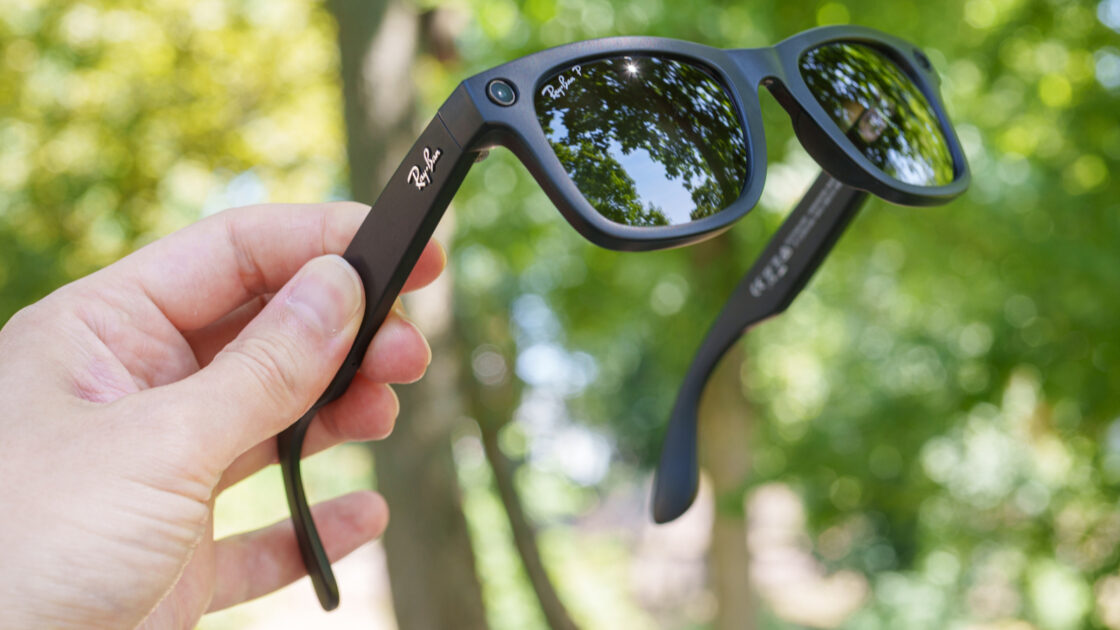
Meanwhile, Norway’s government is weighing temporary restrictions that could potentially cover shopping centers, gyms, parks, and beaches. These proposals are not yet enacted, and officials have not determined which specific smart glass types would be included. Product distinctions remain a factor, as devices like the Even Realities G2 lack a camera, while Oakley Meta and Ray-Ban Meta glasses can capture photos and videos.
Bans in Courts, Schools and Military Bases
AI glasses are prohibited in courtrooms across numerous jurisdictions. New York has banned smart glasses equipped with cameras, computers, or microphones across all 1,240 state and local courts since July 20, 2026. Visitors must surrender the devices to uniformed court officers, and simply turning them off is not permitted. Prescription lenses on Ray-Ban Meta glasses do not exempt them from the rule, prompting court officials to advise visitors to bring traditional eyewear, though this poses difficulties if those are a user’s only pair.
During a February 2026 testimony in Los Angeles, Judge Carolyn Kuhl warned individuals wearing Ray-Ban Meta glasses, stating that anyone recording must remove them, as reported by the Los Angeles Times, though no recording of the proceedings was confirmed. Meta glasses are similarly banned in courts and tribunals throughout England and Wales, where security personnel retain the devices until visitors depart.
Public schools in Western Australia banned smart glasses starting October 12, 2026, for students, staff, and visitors, with exemptions for approved medical, educational, and accessibility purposes. The State of Victoria announced matching restrictions taking effect on January 27, 2027. Additionally, smart glasses are barred from SAT test sites during all phases, including breaks, with violations risking score cancellation.
Military installations have implemented similar rules, with Marine Corps policy at Camp Lejeune and other bases forbidding the use of smart glasses.
Restrictions in Entertainment and Privacy Incidents
Leisure and aquatic centers run by the Canterbury-Bankstown Council in Australia have banned smart glasses. UK cinemas are introducing measures to limit camera-enabled eyewear to prevent film piracy and protect privacy. Royal Caribbean allows smart glasses onboard its ships but forbids their usage in youth areas, medical facilities, and casinos.
Privacy concerns regarding the devices are active rather than theoretical. Paris prosecutors launched investigations in September 2026 following complaints that women were filmed without their consent using smart glasses and that the resulting footage was uploaded online, though prosecutors did not name the brands involved.
Meta maintains that its glasses feature a white recording LED that illuminates during photo and video capture, and that the camera disables if tampering with the indicator light is detected. However, Ray-Ban documentation notes that certain camera-based AI features on newer models can operate without activating the LED because they do not save shareable media files. While this differs from recording covert video, bystanders may struggle to distinguish when the camera is active for AI processing.