Delegates at the UN climate talks at Cop31 face an intensified threat as the strongest El Niño event in at least 1,000 years compounds the global climate crisis. The powerful phenomenon, which sees the eastern Pacific heat up and alter global weather patterns, is acting as a risk multiplier for vulnerable nations.
Widespread Disasters and Compounding Crises
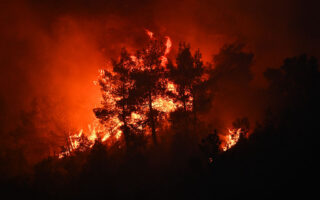
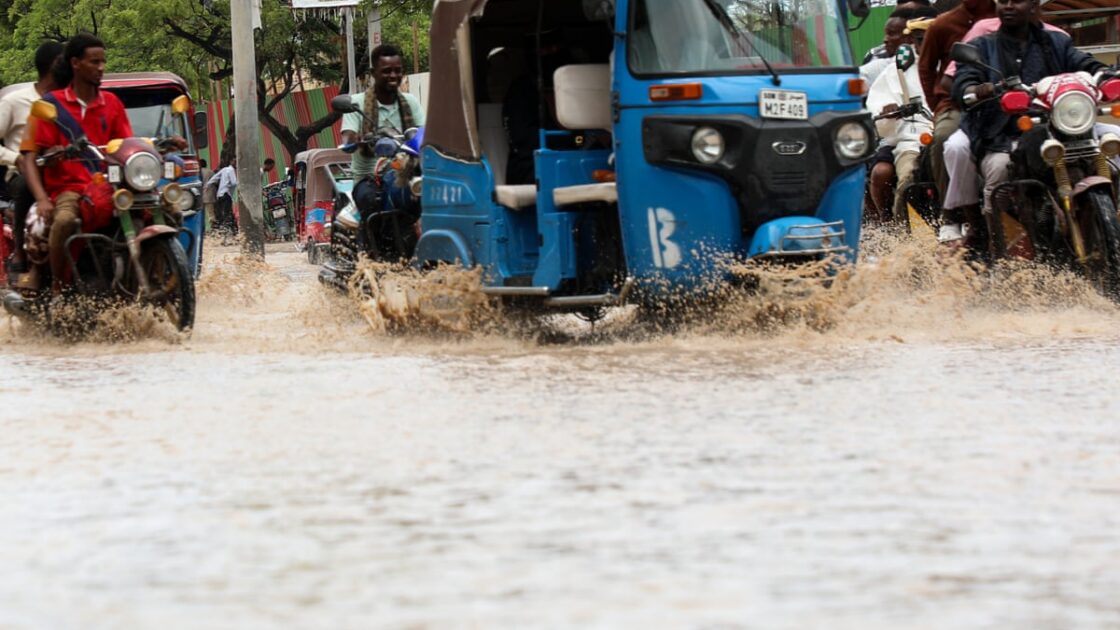
Warping weather patterns driven by El Niño have already caused massive wildfires and crop failures in Indonesia, severe drought in Sudan, coastal inundation in the United States, and heavy flooding in countries like Ecuador and Somalia. Celeste Saulo, secretary-general of the World Meteorological Organization, stated that weather is being supercharged by the phenomenon.
In the Marshall Islands, a state of emergency has been declared following a severe drought that has ravaged the atoll country. Kathy Jetn̄il-Kijiner, the climate envoy for the Marshall Islands, explained that the drought adds to the ongoing threat of rising seas endangering homes and drinking water.
The upcoming peak of El Niño in December, with its impacts continuing through next year, is expected to bring a cascade of crises including heatwaves, crop shortages, extreme rainfall or drought, and coral bleaching in the oceans. Bill Hare, a climate scientist and chief executive of Climate Analytics, stated that the situation will feel like accelerated global warming and warned of more humanitarian disasters linked to food, water, and extreme floods.
Climate Finance Shortfalls and Displacement
Although wealthy nations agreed last year to triple adaptation finance for poorer countries, only a fraction of the $305 billion needed annually by 2035 has been delivered. Jetn̄il-Kijiner criticized wealthy countries for lagging behind, noting that billions are being spent on artificial intelligence and the military instead of climate change.
United Nations officials have expressed particular concern over east Africa, where worsened drought is expected to force significant displacement. Antón Leis García, assistant high commissioner of UNHCR, stated that the forecast is the worst ever and noted that Kenya’s maize crop production is already dropping by 40%, reducing food availability for refugees and decreasing Kenya’s capacity to absorb them.
The UNHCR predicts up to 3 million displacements across Kenya, Somalia, South Sudan, and Uganda due to the current El Niño.
Campaigners at Cop31 have urged immediate action, with Mohamed Adow, founder of the Kenya-based thinktank Power Shift Africa, stating that people cannot wait for diplomatic promises and need resources on the ground.