Scotland’s household recycling rate has dropped to its lowest level in five years, according to new data released by the Scottish Environment Protection Agency (Sepa). The environmental regulator reported that households recycled 42.8% of their waste in 2025, falling from 44.3% the previous year and missing a long-standing government target of 70% by last year.
Regional Disparities and Waste Generation
The Sepa figures highlight massive variations in recycling performance across different local authorities. South Ayrshire achieved the highest recycling rate at 55%, whereas Glasgow recorded just 26%. Island regions reported the lowest numbers overall, with Orkney managing a recycling rate of only 18.2%. Across the country, households produced a total of 2.31 million tonnes of waste in 2025, representing a minor decrease of just 1,500 tonnes.
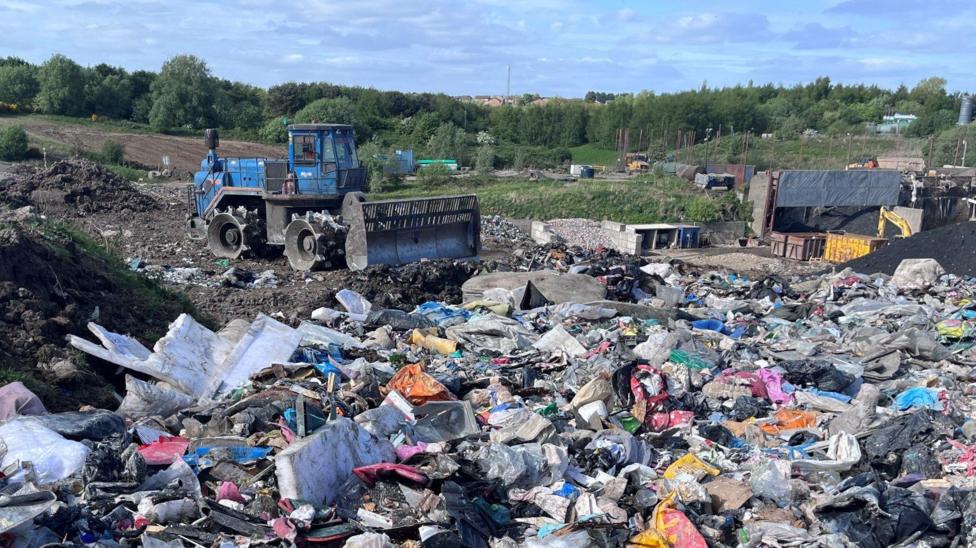
While recycling rates have hovered around 45% for over a decade, significant changes have occurred in how black bag waste is handled. The rapid construction of energy-from-waste plants has shifted garbage away from landfills, keeping the proportion of waste processed at incinerators steady at 82% while landfill diversion improved by 10%. However, this infrastructure growth failed to keep pace with a planned landfill ban, which has been effectively delayed until 2028.
Industry and Environmental Reactions
The data excludes disruptions caused by long-term repairs at the Polmadie incinerator in Glasgow, operated by Viridor alongside a facility in Dunbar. The Glasgow Recycling and Renewable Energy Centre shut down in April, forcing waste to be rerouted to other incinerators or landfills. Karen MacCormick from Viridor defended incineration as a greener alternative to landfills because it prevents methane emissions and generates low-carbon energy for the power grid.
Critics point to other systemic hurdles, including repeated delays to a deposit return scheme for bottles and cans and inconsistent collection rules across local councils that confuse residents. Zero Waste Scotland research indicates that more than half of the contents in black household bins could actually be recycled. Sepa chief scientific officer Dr Richard Allan stated that the figures emphasize an ongoing challenge in waste management, noting the urgent need to prioritize waste prevention alongside higher recycling rates.
Kim Pratt, a senior circular economy campaigner at Friends of the Earth Scotland, described the drop as a shocking decline that demonstrates how Scotland has lost its way. She argued that recycling levels have stalled because the government promoted waste incinerators, leading to recyclable household waste being burned instead. Climate Action Secretary Gillian Martin acknowledged that the decreased recycling rate is disappointing, citing an 11% reduction in generated household waste since 2011 and noting that ongoing government actions include a £66 million investment to improve collections and a new circular economy waste route map.