Home cooks frequently hear advice about avoiding pasta mistakes, such as overcooking or underseasoning, but professional chefs follow a third essential rule: saving the pasta water. As reported by CNET, this leftover cooking liquid acts like a stock and plays a crucial role in creating restaurant-quality pasta dishes.
The Nature of Pasta Water
When pasta boils in salted water, it absorbs liquid and releases starch. After cooking for 5 to 10 minutes, the remaining water becomes a starchy broth rather than something that should be discarded down the drain.
According to chef Melissa Mastrianni-Oleary, founder of Keeping It Simple Italian, starchy pasta water binds the sauce to the pasta when they are tossed together and prevents the sauce from drying out.
Jessica Mode, culinary instructor at Homebody Eats, noted that hearing pasta sizzle in the pan is a cue to add more pasta water to keep the noodles hydrated and maintain a creamy sauce. Ciro Fodera, culinary director at Capri Italian Steakhouse, explained that the starch acts as a natural thickener and emulsifier, allowing butter or olive oil to blend smoothly into a rich gloss.
Saving and Using Your Pasta Water
Instead of dumping everything into a colander, cooks can use tongs or a slotted spoon to transfer pasta directly into the saucepan, letting residual water start the process. Alternatively, cooks can use a glass measuring cup to scoop out liquid before draining or place a bowl in the sink to catch it.
When combining ingredients, Mode advised undercooking the pasta slightly in boiling water, transferring it to the sauce pan, and ladling the pasta water along the side of the pan rather than dumping it directly on top. Turning the heat to high and vigorously stirring for 2 to 3 minutes helps the noodles absorb the sauce and water.
Mastrianni-Oleary pointed out that quality matters, noting that slightly more expensive brands like Rummo produce better pasta water than cheaper alternatives. Fodera also advised starting sauces with minimal salt because the salted pasta water will increase the seasoning level.
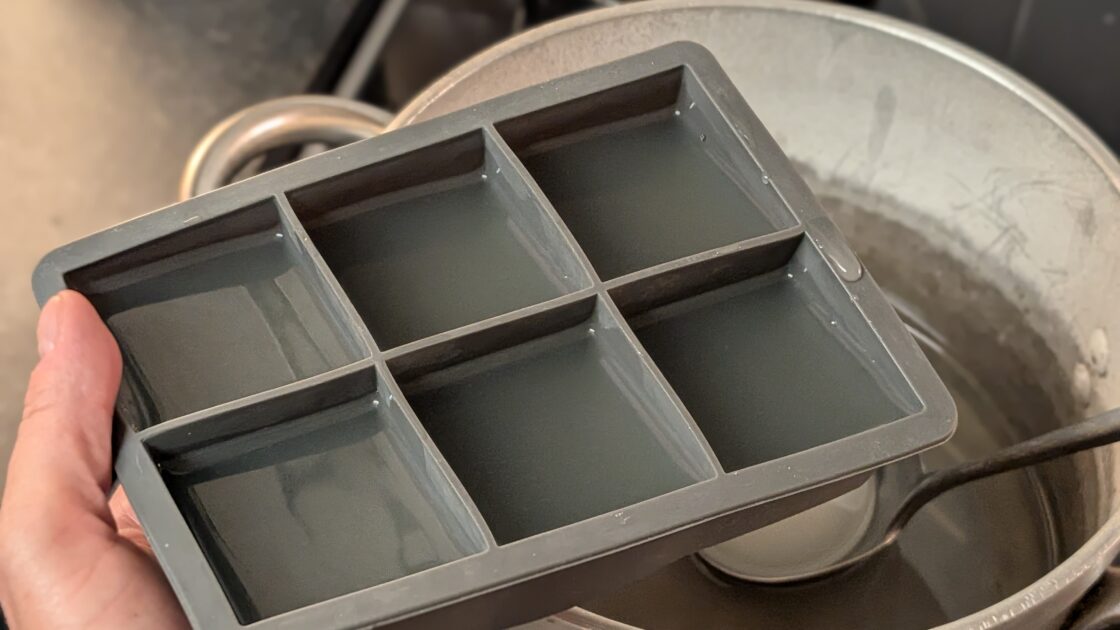
Beyond the current meal, Fodera suggested letting leftover pasta water cool and freezing it in small containers or ice cube trays. Mastrianni-Oleary noted that frozen pasta water can later add starchiness and salt to soups or be used when cooking other grains.