Table of Contents
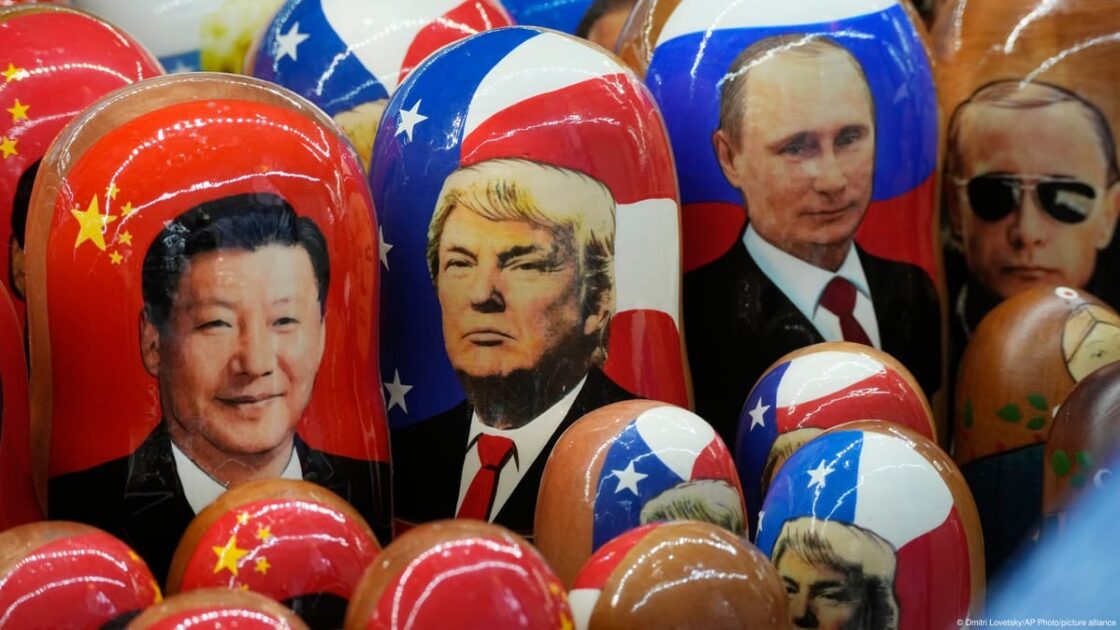
An unprecedented meeting between the leaders of China, Russia, and the United States could take place next week on the sidelines of the Asia-Pacific Economic Cooperation summit in Shenzhen. While official confirmation is pending, US President Donald Trump stated he expects to meet with Vladimir Putin and Xi Jinping during the event.
The ‘New Yalta’ Speculation and Agenda
Media outlets have labeled the potential gathering a “new Yalta,” drawing comparisons to the World War II conference where major powers shaped the global order. However, the exact topics of discussion remain unclear. US President Trump mentioned Iran and denuclearization as possible talking points during comments at a Florida airport, avoiding mention of the war in Ukraine. Meanwhile, the Chinese Foreign Ministry reported having no information regarding the substance of the talks.
Diplomatic Pressures for Beijing, Moscow, and Washington
As reported by Deutsche Welle: DW.com – Top Stories (dw.com), a three-way meeting would represent a major diplomatic breakthrough for Russian President Putin, who has faced years of international isolation by Western allies since the invasion of Ukraine in February 2022. Putin first proposed the trilateral meeting to discuss ending the war during a phone call with Trump.
For the United States, appearing alongside the leaders of America’s primary rivals could present a challenging political image, though Trump has previously welcomed both leaders during his second term. Host nation China faces an even more delicate position. Although Beijing and Moscow share broad strategic alignments, China seeks to avoid direct association with the conflict in Ukraine to maintain its image as a global stability force.
Alicja Bachulska, an Asia policy fellow at the European Council on Foreign Relations, told Deutsche Welle: DW.com – Top Stories (dw.com) that Beijing is uneasy about the meeting and that the vagueness of its diplomatic statements is deliberate. Bachulska noted that discussing Ukraine without European representatives present could escalate tensions between China and the European Union, while also creating negative optics for Beijing by standing alongside Washington’s main rival and its strategic partner.
The Deepening China-Russia Partnership
Xi Jinping and Vladimir Putin have met approximately 40 times since 2012, solidifying ties through a “no limits” partnership declared just weeks before the Ukraine invasion in 2022. Their core axis centers on countering US power and shaping an alternative global order. Throughout the conflict, Beijing has quietly supported Russia by purchasing energy exports and supplying high-tech components and dual-use goods for potential military applications, all while maintaining an official stance of neutrality.
Aurelio Insisa, a senior analyst at the Mercator Institute for China Studies, told Deutsche Welle: DW.com – Top Stories (dw.com) that Beijing aims to reform global governance according to its own preferences rather than embracing a “G3” narrative that would undermine its support among developing nations. Insisa added that China has shown no interest in engaging with nuclear disarmament, the one issue suited for a trilateral format.
Limits of the Bilateral Axis
A report published in August by the US-China Economic and Security Review Commission described China as a decisive enabler of Russia’s military efforts, converting Moscow’s reliance into lasting advantages without formal alliance obligations. Nonetheless, the commission highlighted limits to this support due to persistent strategic mistrust, intelligence concerns, and disputes such as Russian defense firms accusing Chinese companies of intellectual property theft.
Further differences exist regarding North Korea, whose growing ties with Moscow have reduced its reliance on Beijing, and differing nuclear doctrines between China’s “no first use” policy and Russia’s nuclear threats. Despite these friction points, Insisa told Deutsche Welle: DW.com – Top Stories (dw.com) that bilateral cooperation will persist, with Russia providing energy and military technology while China offers economic lifelines, sanction circumvention channels, and a privileged vantage point on evolving land warfare.