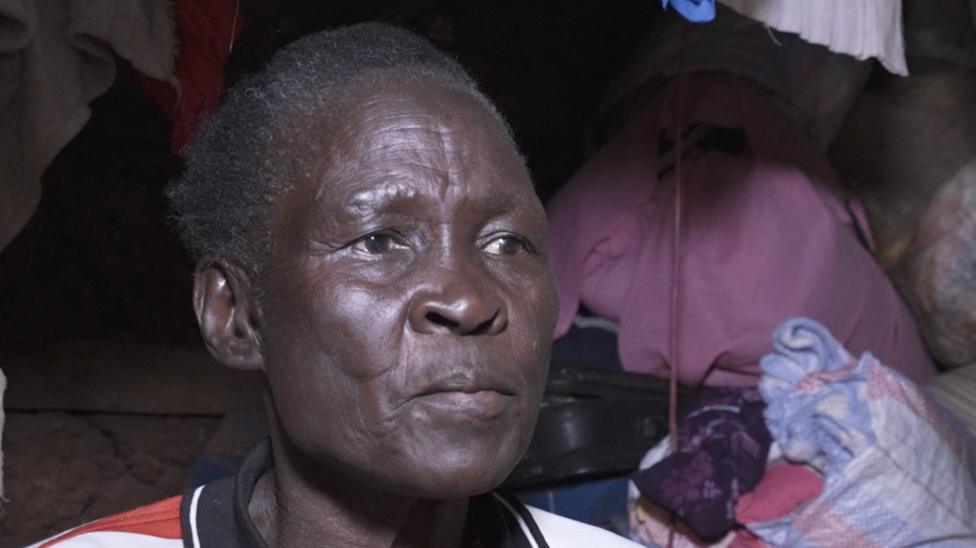
As Kenya’s short rainy season begins, residents in vulnerable areas like the Kibera informal settlement in Nairobi are fearing the worst as forecasters predict severe weather driven by the El Niño phenomenon. Agnes Shikoli, a 62-year-old resident whose home was flooded earlier this year, told BBC News that she worries the intense rains could cause her fragile house to collapse or drown her family.
Preparations and Drainage Challenges in Nairobi
To mitigate potential disasters, work crews under a government programme called Climate Worx are clearing garbage from riverbeds and unclogging drainage systems across the capital. Bramwell Simiyu, Nairobi County’s disaster management chief, told BBC News that the city’s drainage infrastructure has remained untouched for many years and was originally designed 30 years ago for a population of 2.5 million, far below the current daytime population of about seven million.
Simiyu explained that upgrading the sewerage and drainage system entirely would require up to $192 million, funds that neither the national nor city council can easily raise. Authorities estimate that up to 100,000 people in low-income settlements are at risk under worst-case scenarios, with 167 holding grounds designated to distribute relief supplies to anyone forced to evacuate.
Regional Warnings and Historic Parallels
Weather experts have noted that current temperature conditions in the Indian Ocean mirror those recorded during the destructive 1997-1998 El Niño event. Jemima Gacheru told BBC News that a strong El Niño in the Pacific combined with a positive Indian Ocean dipole is expected to bring enhanced rainfall across several parts of Kenya.
The International Organization for Migration has warned that nearly 900,000 people in Kenya could be forced from their homes due to predicted floods. Meanwhile, neighbouring Somalia faces displacement risks affecting 1.2 million people from both floods and drought, while other parts of the African continent brace for extreme heat and agricultural crises.
Back in Kibera, council officials have advised residents living near riverbanks to relocate temporarily, but economic hardships leave many with few options. Shikoli, who earns $2.50 daily selling fruit and groundnuts, stated that she lacks the financial means to move and must simply persevere.