Evaluating annual global temperatures requires looking at long-term trends rather than natural variability from one year to the next, such as the La-Niña-dominated years that followed a strong El Niño. While annual greenhouse gas emissions typically increase steadily, occasional complicating factors can disrupt this trajectory, and 2026 is shaping up to be one of those years.
A Short-Term Decline Driven by Conflict
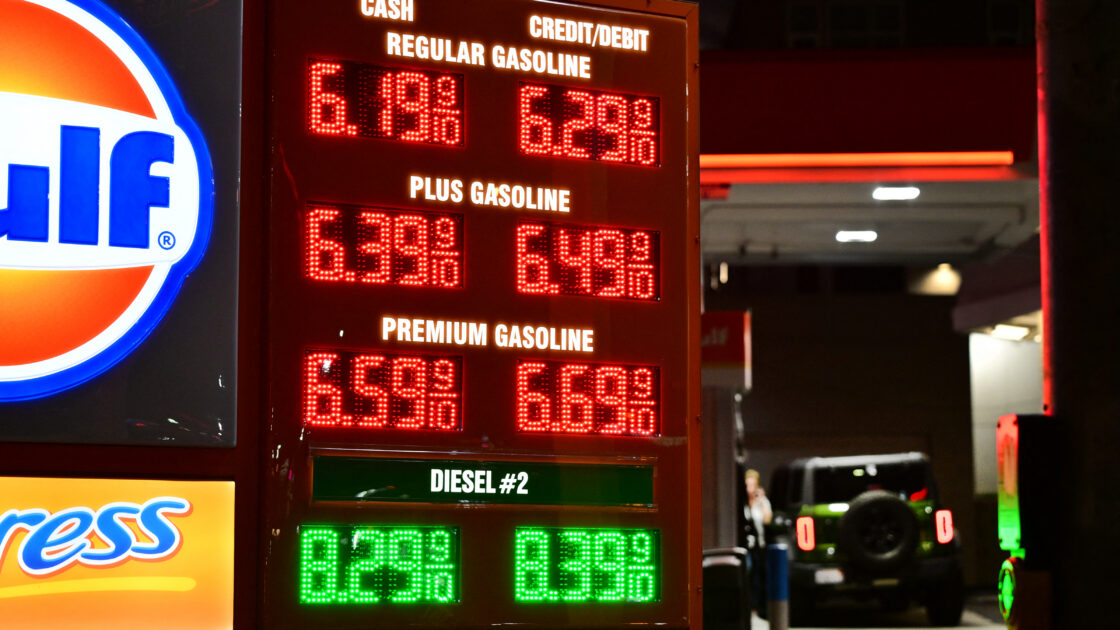
A new analysis led by Corinne Le Quéré at the University of East Anglia estimates that fossil fuel emissions have decreased by about 0.4 percent compared to last year. Researchers caution that this likely does not represent a permanent peak signaling significant climate progress, but rather a temporary dip caused by the war in Iran and its subsequent impact on oil prices.
Shifting Emission Percentages Across Fuels
The research team operates the Global Carbon Project, tracking global and national carbon emissions through statistics on fossil fuel consumption and deforestation to identify underlying trends for the coming years. Following a 1.2 percent increase in fossil fuel emissions last year—slightly above the 2019–2025 average of 0.8 percent annually—this year’s overall decline was driven by a 1.9 percent reduction in oil emissions and a 0.3 percent decrease in natural gas emissions, which offset a 0.6 percent rise in coal emissions.