Table of Contents
As winter approaches, the small Alaska coastal town of Skagway experiences a dramatic shift from a bustling tourist hotspot into a quiet community of about 1,100 permanent residents. While the warmer months bring over a million cruise ship passengers and thousands of seasonal workers, the town faces growing strains on its infrastructure, housing, and year-round economy.
A Town Transformed by the Cruise Industry
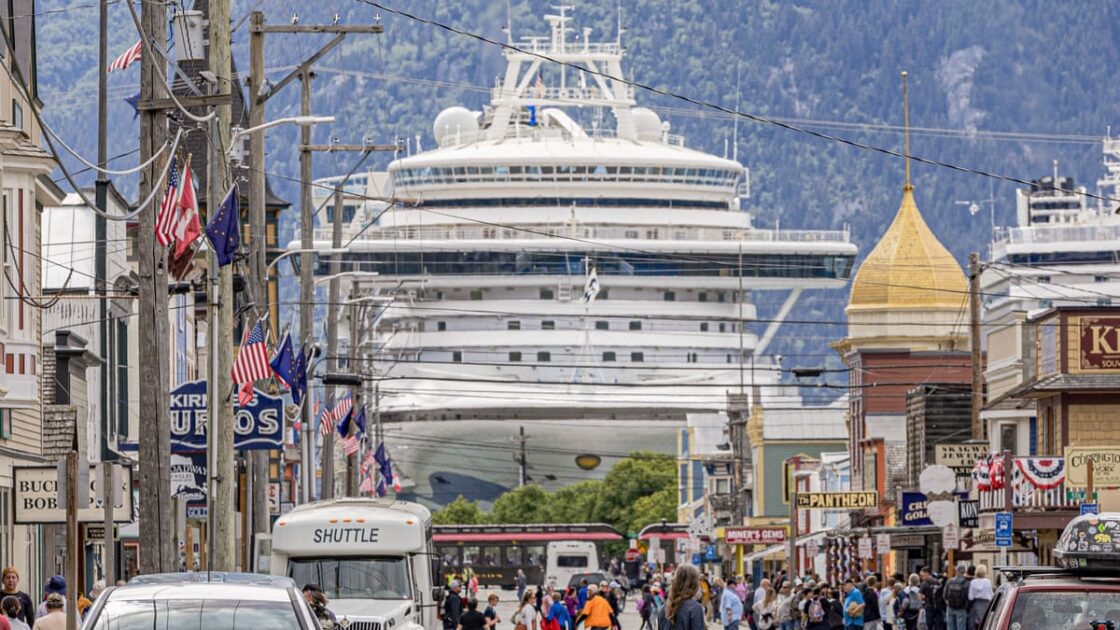
During the peak season from April to October, Skagway’s streets overflow with cruise passengers wearing lanyards and staff working for the tourism sector. Official figures indicate that more than 1.35 million tourists arrived by cruise ship in 2025, accompanied by over half a million crew members, with numbers continuing to rise annually.
This massive seasonal surge creates stark contrasts for the local population. Skagway mayor Orion Hanson expressed concern over the viability of the year-round economy, noting the loss of local staples like the Sweet Tooth cafe, which was replaced by a tax-free jewelry store catering to cruise passengers. Hanson warned that relying entirely on the cruise industry leaves the town vulnerable, pointing to the risks highlighted during the COVID-19 pandemic.
The Severe Housing Squeeze
Confined to a narrow valley at the northern end of Alaska’s Inside Passage with no room for expansion and only one road leading to Canada, Skagway suffers from a severe housing shortage. A 2023 report commissioned by the Skagway Development Corporation identified only 644 housing units, falling far short of the demands of residents, businesses, and essential workers.
To cope with the shortfall, seasonal workers resort to congregate living, couch surfing, and sleeping in hammocks in the woods, according to Al Wall, director of the Dahl Memorial Clinic. A previous town law banning season-long camping eliminated campsites that once accommodated workers, pushing them into traditional residential housing. Janilyn Heger, owner of Skagway Spirits, stated that employers buying up buildings to house workers has displaced year-round housing and created a disaster for the community.
The shortage has even forced the conversion of local hotels into seasonal employee accommodations. Longtime resident Mike Healy purchased Sergeant Preston’s hotel and converted it into seasonal housing after failing to get a response from the municipality regarding land for employee housing. Jonathan Hillis, a town assembly member and local store owner, noted that the loss of independent lodging fosters a cycle of increasing cruise tourism and declining independent travel.
Broader Regional Debates Over Cruise Tourism
The challenges faced by Skagway reflect wider discussions across Alaska’s Inside Passage as towns review docking schedules for future seasons. In Juneau, officials introduced a voluntary daily ship limit after a ballot measure for ship-free Saturdays failed. Meanwhile, other ports like Ketchikan and Sitka are dealing with shifted itineraries and reviewing their own agreements with the cruise industry.
Despite the strains, a survey by Oregon State University found that just over 40% of Skagway respondents believed tourism benefits outweighed the costs, compared to 25% who disagreed, while 33% viewed the relationship as balanced. With limited economic alternatives, Mayor Hanson emphasized that the town must tread carefully to protect its primary source of livelihood.