Table of Contents
Lakes serve as vital indicators of environmental health, acting as “sentinels in the landscape” that respond rapidly to ecological shifts. According to David Butman, a professor at the University of Washington specializing in biogeochemistry and satellite remote sensing, monitoring the color of these water bodies provides a clear metric for quantifying the impacts of climate change.
The Darkening of Arctic Lakes
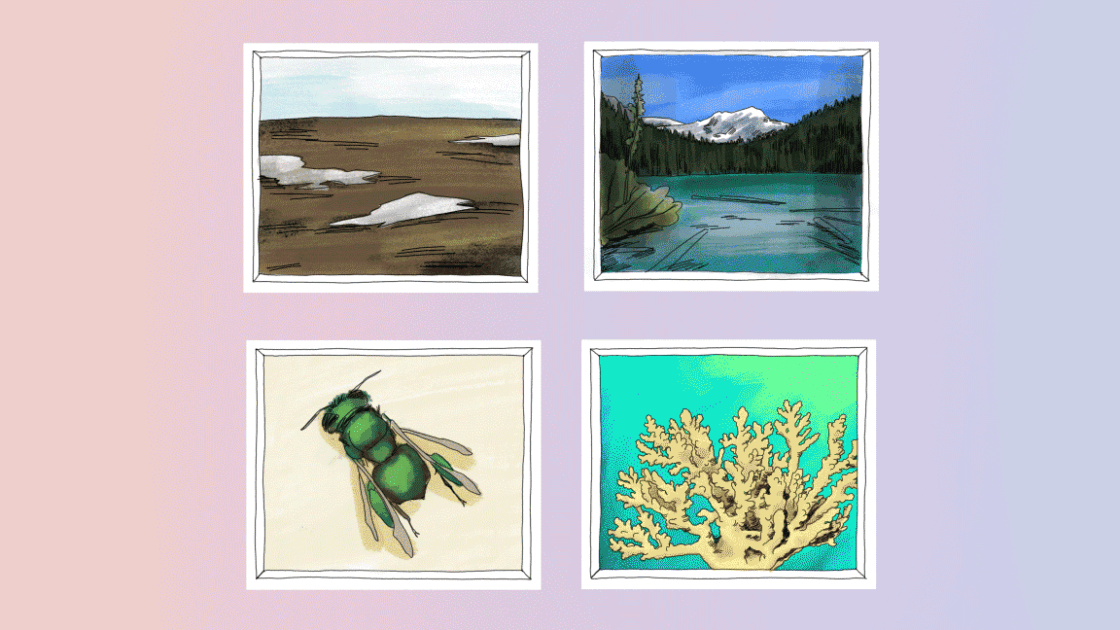
A 2021 study published in the Proceedings of the National Academy of Sciences examined green wavelengths across more than 400,000 lakes in North America’s boreal Arctic zone. Researchers discovered that green values decreased by 15% between 1984 and 2019, indicating that these lakes have become significantly darker to the human eye.
The primary driver behind this shift is believed to be thawing permafrost. As frozen ground melts, soil mixes into the lake water, resulting in a darker appearance. The study noted that the most pronounced changes occurred in regions experiencing warmer and wetter conditions.
Ecological and Climate Consequences
The darkening of these waters has significant implications for heat absorption. Butman compares the phenomenon to a black car sitting in the sun on a hot day, noting that darker lakes retain heat for longer periods after the summer season. This extended warmth disrupts natural biological processes, including the life cycles of fish and the production of algae.
Furthermore, the influx of soil and organic material creates environmental hazards. As microbes break down this material at the bottom of the lake, they consume oxygen and produce methane, a potent greenhouse gas that contributes to further global warming.
Global Color Variations
While bright blue lakes are frequently featured in imagery, they are actually less common than green-hued lakes on a global scale. A 2022 study led by scientists Xiao Yang and Catherine O’Reilly, published in Geophysical Research Letters, analyzed the color profiles of over 85,000 lakes worldwide.
The research found that blue lakes are predominantly located in northern regions characterized by cooler summers and winter ice cover, such as Canada’s Moraine Lake and Russia’s Lake Baikal.