Table of Contents
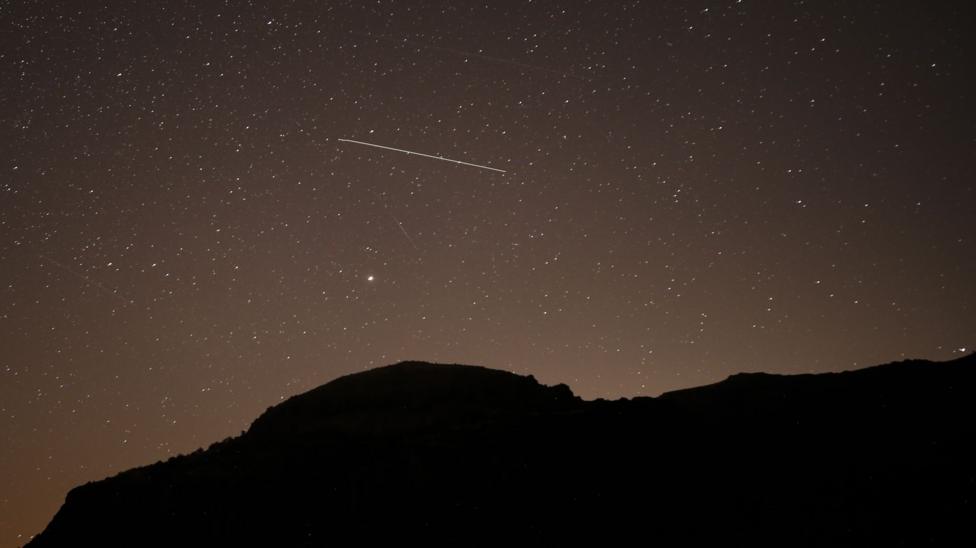
Skywatchers across the United Kingdom can look forward to one of the year’s most active meteor showers throughout the month of November. The celestial display runs until November 30, with the main peak occurring overnight on November 17, offering observers the chance to spot between 10 and 15 meteors every hour.
Origins of the Leonids
The annual event is created by dust particles shed by Comet 55P/Tempel-Tuttle, which leaves a trail of debris along its orbit around the Sun. As these fragments slam into the Earth’s atmosphere traveling at speeds up to 44 miles (71 kilometers) per second, they produce the fastest streaks of light visible in the night sky.
Viewing Tips
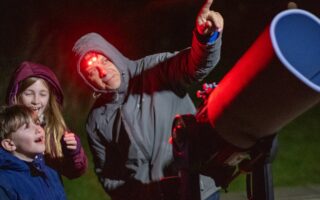
Specialists recommend seeking out a secure, dark spot far away from light pollution like street lamps. Viewers do not need binoculars or telescopes, as the shooting stars can be seen with the unaided eye. Allowing 20 to 30 minutes for eyes to adjust to the darkness improves visibility, while wide-open spaces provide the best comprehensive view of the skies. Although meteors can appear across the entire sky, focusing toward the constellation Leo yields the best results, as the shower appears to radiate from that area. Unclouded skies remain essential for a successful viewing experience.
Weekend Weather Outlook
The weekend forecast brings mixed conditions for individuals hoping to catch the initial phase of the shower. While dry weather will prevail in many places, heavy cloud cover is anticipated alongside potential spots of rain or drizzle. Current conditions favor southern and western regions of England and Wales for clear skies on Friday and Saturday evenings, whereas northern England, Northern Ireland, and Scotland expect heavier cloud cover. More regions across the UK are projected to clear up by Sunday night.
Fog presents an additional potential obstacle, developing in locations where skies stay clear for extended periods. Overnight temperatures will fall into single digits alongside the possibility of light frost, requiring warm clothing for anyone spending time outdoors. Local forecasts for cloud cover, fog, and temperatures remain accessible via the BBC Weather website or application.
Viewing conditions will improve significantly around the mid-November peak because the Moon will sit below the horizon near midnight, minimizing moonlight interference.