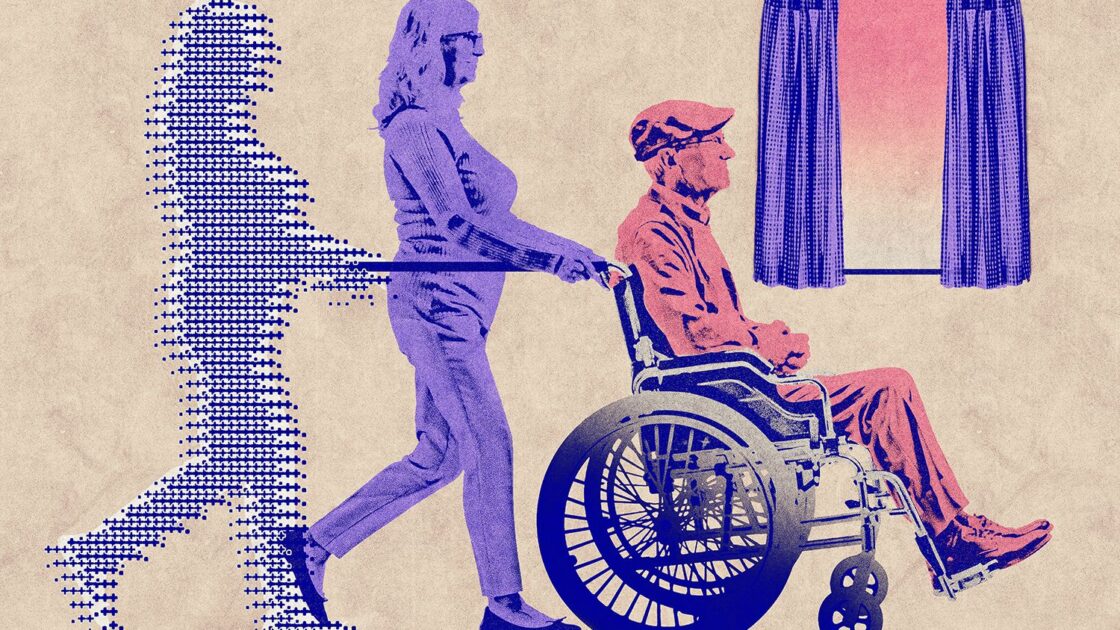
According to AARP figures cited by WIRED, an estimated 63 million Americans cared for adults or children with a medical condition or disability in 2025. These individuals spend an average of 27 hours per week providing care, facing a worsening crisis marked by poor health, financial strain, and isolation that demands better support systems.
Apps for Different Types of Caregivers
Caregiver apps cater to diverse needs by helping families support seniors, children, or anyone requiring regular medical management. Medisafe, launched in 2013, tracks medications, sends reminders, notifies caregivers of missed doses, tracks appointments and symptoms, and includes a drug interaction checker. Founded in 2015, Caring Village features an appointment calendar, to-do list, wellness journal, task delegation, and an AI assistant named Julia that answers caregiving questions.
In 2022, Bret Koncak co-created the web-based app Mejo after experiencing life with two sons who have complex needs. The app consolidates a patient’s medical history into a one-page summary shareable with doctors and therapists. Koncak noted to WIRED that caregiving heavily involves what happens between medical visits. Mejo costs $6 a month or $60 a year for its premium version, which offers daily journaling for shared care coordination, and the team is exploring AI integration to help generate appointment questions.
Brett Rowell is developing an app called Briggzy to coordinate care with his wife for their son Briggs, who has cerebral palsy. Aiming for a wider 2027 release, Rowell stated that the app bridges the gap in managing medical questionnaires when working different hours. Meanwhile, Nasha Fitter and cofounder Farid Vij launched Citizen Health in 2024 to securely store patient medical records. Fitter told WIRED that with user consent, the platform extracts and deidentifies data to understand disease trajectories and aid drug research with advocacy groups.
Citizen Health launched Ari six months ago, an AI health teammate currently in beta. Ari lets users text to track care, access medical records and Google Calendar events, recognize caregiver patterns, summarize past medical information, and navigate insurance and government benefits. Ari is currently limited to rare disease patients, with plans to expand.
Trying to Lighten the Load
I. Glenn Cohen, a bioethics and health law researcher and professor at Harvard Law School, expressed optimism about AI empowering patients to prepare for doctor visits, but advised users to understand the risks of free or cheap products. Cohen noted that most of these tools are not regulated by the FDA, meaning their safety and efficacy rely on the company’s word. Furthermore, because data is collected at home rather than by a covered entity, federal HIPAA statutes do not protect health information entered into AI tools.
“If your privacy is important and you care about how the information is used, in some cases, all you can rely on is the contractual promises,” Cohen told WIRED, adding that policies often absolve companies of responsibility and may collect data on parents or caregivers alongside the patient.
Maintaining app data can also prove tedious for already overloaded caregivers. Denise M. Brown, CEO and founder of the Caregiving Years Training Academy, noted that healthcare professionals rarely update apps, leaving the burden entirely on family members.
Nicole Howell, director of direct care workforce development at the National Council on Aging, told WIRED that technology can open doors for seamless care integration and reduced stress, but emphasized that the broader crisis requires a collective response. “It has to be all hands at the wheel. It has to be government. It has to be private. It has to be family members speaking up, saying the hard truth so we get the best of American ingenuity to move this to where we need to be,” Howell said.